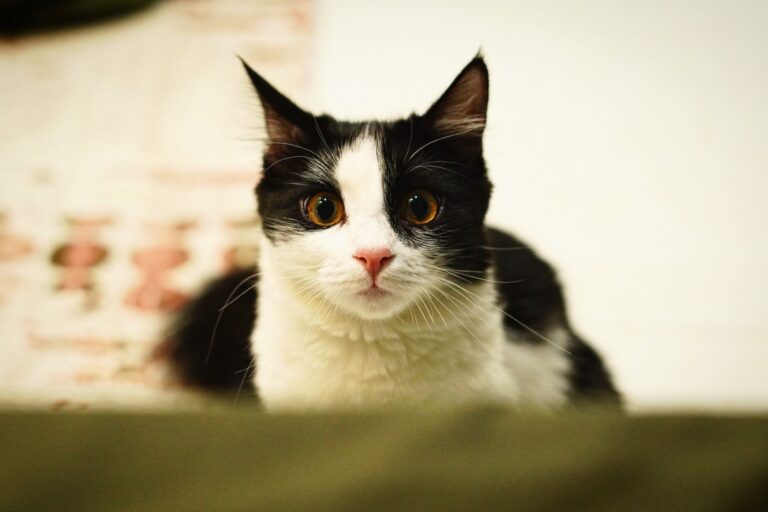

A single adoption can turn one shelter stall into an open spot for the next cat in line while giving another animal a stable home. Many shelter cats also come vaccinated, spayed or neutered, and microchipped, which can make the first week much easier.
This overview covers the trade-offs, the benefits of adopting a cat, startup costs, and the signs that help you choose a good match for your home or apartment.
The Case For Bringing A Shelter Cat Home
A shelter visit often begins with carriers, clipped doors, and a cat watching in silence. That calm moment has real weight, because one adoption can move an animal out of temporary housing and into a lasting place.
Animal shelters and rescue groups deal with pet overpopulation every day. Each adoption opens space for the next intake, which helps cats, kittens, and the staff who feed, clean, chart medications, and manage intake notes.
That practical role is why Humane Society and ASPCA materials keep pointing people toward adoption as a direct form of support. The choice goes beyond getting a pet; it helps move cats from kennels into homes that fit their needs.
A permanent home changes daily life
A cat in foster care or a shelter is still living in a holding pattern. Once the cat settles into your home, the feeding schedule, litter box routine, and sleep spots stop shifting every few days, and that stability shows up quickly in behavior.
For a household, that shift matters because cats read their environment like a map. A predictable place lowers stress, and a lower-stress cat usually eats, grooms, and bonds with more confidence.
Crowded shelters feel the impact right away
High-intake days can push cat rooms past comfortable capacity. Adoption eases that pressure, giving staff more time for cleaning, enrichment, and medical checks instead of just keeping up.
You also help create a better chain reaction. One cat leaves, the next animal gets space, and rescue groups can keep taking in strays, owner surrenders, and kittens from under-resourced areas.
Rescue work needs steady community support
Donation drives help, but adoption is the most direct support many people can give. Fees from adopting a cat from a shelter help cover vaccinations, parasite control, food, and basic care before placement.
That practical support is part of why the process works so well in cities, suburbs, and rural towns alike. Once the shelter side is clear, the next question is what arrives on day one.
That first-day reality points to a quieter surprise: many shelter cats are already reading the room.
Why Shelter Cats Often Start Ahead
Veterinary intake forms can tell you a lot before the carrier even opens. Many shelter cats already have vaccinations, a spay or neuter surgery, and a microchip, which trims several early tasks from your list.
That head start is one of the strongest reasons to adopt a cat from an animal shelter. You still need a vet visit, but the first week is less about catching up and more about settling in.
Medical basics may already be done
Vaccinations matter because they reduce the spread of common infectious disease in group housing. Spay and neuter care matters because it lowers reproduction risk and can ease certain behavior patterns tied to mating cycles.
A microchip gives you a permanent ID record under the skin, not on a collar that can slip off. Petfinder listings and shelter intake sheets often note that detail, and it can matter later if a cat slips out a door.
Temperament notes help you choose
Shelter staff track simple clues such as hiding, head-butting, box comfort, and reaction to handling. Those notes are not a lab report, but they help you sort a lap cat from a cat that needs quiet and distance at the start.
FIV and FeLV status may also appear in the record. Those are feline viruses, and the difference matters because the result can shape household matching, future vet care, and the level of contact with other cats.
Less setup work in the first week
A cat that arrives with paperwork, shots, and a known age range leaves you with a cleaner checklist. Your main jobs shift to food, litter, a carrier, and a calm room instead of a long chain of unknowns.
That shorter start can make a big difference for a busy household. It also connects to daily life in a way many people notice fast: the cat fits the rhythm of the home, not the other way around.
Because they adapt so readily, their presence often feels less disruptive than deeply grounding.
Companionship That Fits Real Life
A cat on the back of a sofa can quiet a room in ten minutes. The presence is steady rather than demanding, which is why companionship sits near the top of the reasons to adopt a cat.
Cats can ease loneliness without asking for constant motion. You get a warm body near your laptop, a purring lap in the evening, and a small routine that makes the house feel occupied in a good way.
Low-maintenance does not mean no care
Cats need food, water, litter box cleaning, brushing for some coats, and regular vet visits. The daily load is lighter than a dog walk schedule, but it is still real work, and that honesty helps you choose well.
For apartments and smaller homes, that lighter load is a major fit factor. A single cat can adapt to a one-bedroom place far more easily than many larger pets.
Independent behavior suits busy schedules
A cat can spend part of the day sleeping, window-watching, and exploring a scratching post without constant supervision. That independence can fit long workdays, commute-heavy weeks, and homes where quiet hours matter.
Because of this, why cats make good pets often comes down to timing. You get warmth and company, but your calendar does not need to revolve around outdoor breaks every few hours.
Bonding still grows in small moments
Slow blinks, brief play sessions, and predictable feeding all help trust build over time. A cat that begins under the bed can still become the one that greets you at the kitchen door six weeks later.
A single wand toy session can change the tone of an evening. Five minutes of chase often does more for bonding than a long attempt to force cuddling.
That balance of closeness and distance leads into another practical point, because companionship is only part of what a cat can do in your home.
When affection settles into routine, the benefits begin reaching beyond simple comfort.
The Everyday Advantages Beyond Affection
A cat is not a machine, but the right one can make a house feel less exposed to pests. Mice tend to avoid active feline territory, and some insects stay closer to the edges when a cat patrols a room.
Those are reasons to adopt a cat that go beyond sentiment. They also help explain why many households like having a rescue cat around even before the emotional bond fully settles in.
Natural patrol habits can discourage pests
Cats notice movement near baseboards, cabinets, and storage corners. That alert behavior can help cut down on the kind of mouse activity that starts with crumbs, quiet gaps, and a warm pantry.
The effect is not magical, and a cat does not replace sanitation or sealed food storage. Still, a watchful cat can add another layer of pressure in areas where pests want to settle.
Age and personality widen your choices
A kitten brings energy and chaos. An adult cat brings a clearer personality, and a senior cat often brings calmer habits, shorter play bursts, and a strong preference for routine.
You can match that range to your own home. A couple in a quiet condo may want a mellow adult, while a family with older kids may enjoy a playful cat that likes wand toys and climbing shelves.
Breed is only part of the story
Rescue cats come in mixes, pure breeds, barn-cat backgrounds, and long shelter histories. Coat color, ear shape, and tail length tell less about fit than the cat’s response to touch, noise, and handling.
That is where cat adoption tips matter in a real way. Spend time with the actual animal, not a label, because the living temperament in front of you will shape your daily life far more than a breed name.
What you see in the room matters more than the paperwork, especially when daily habits are at stake.
Costs, Fees, And The First Things To Budget For
The adoption fee at a shelter often sits well below the total early cost of a breeder or pet store purchase. That fee helps cover spay and neuter work, vaccines, and intake care, so it is doing more than changing hands at checkout.
Your early budget matters because a cat arrives with practical needs on day one. A carrier, litter box, food, bowls, a scratching post, and a vet visit can add up fast, even with a lower adoption fee.
What the fee usually covers
| Fee item | What it often covers | Why it matters for you |
|---|---|---|
| Vaccinations | Core shots given before placement | Reduces the number of early vet tasks |
| Spay and neuter | Surgery completed before adoption | Removes a major early expense |
| Microchip | Permanent ID registration | Helps if the cat slips outside |
| Medical exam | Basic shelter check and notes | Gives you a starting health record |
Starter gear deserves a real budget
A sturdy carrier keeps transport calm, and a covered litter box can help a shy cat feel less exposed. Add food that matches the shelter’s current diet, a scoop, a scratching post, and a few soft bedding pieces.
A lot of cost spikes come from rushed purchases. A cat that will use a vertical scratcher in the hallway does not need a giant tree on day one, but it does need a place to scratch right away.
A vet visit soon after arrival matters
That visit gives you a baseline weight, a mouth check, and a review of vaccines, parasites, and stool history. Shelter records help, but your local vet can catch issues that only show up once the cat has been home for a week or two.
The Cornell Feline Health Center often notes that cats hide illness well, which is why a calm post-adoption exam is smart. A clean baseline makes future changes easier to spot, and that leads straight into selection and home setup.
A healthy start also helps separate routine adjustments from real problems later on.
Finding The Right Cat And Settling In Well
A shelter room can tell you more in ten minutes than a profile sheet can tell you in ten days. Watch how the cat moves, handles noise, and reacts to your hand before you make a final choice.
That direct contact is one of the most practical parts of choosing through a shelter. You get real interaction, real staff input, and a much clearer read on fit.
Spend time before you choose
A cat that leans into your hand, ignores the carrier door, or accepts brushing may fit a busy house well. A cat that stays hidden, hisses at sudden movement, or freezes under touch may need more space and patience.
Ask the shelter about energy level, comfort with children, and comfort with other pets. Those details matter more than coat color, and they can save you from a mismatch that hurts both sides.
- Watch body language A relaxed tail, soft eyes, and a loose posture say more than a brief lap visit.
- Ask about routines Feeding times, play style, and litter habits can reveal how the cat lives day to day.
- Match the noise level A calm cat may suit a quiet condo, while a bolder one may handle a lively household better.
- Check pet history Prior foster homes, other cats, and dog exposure can shape the cat’s adjustment speed.
Slow entry beats a rushed welcome
Set up one quiet room with food, water, a litter box, and a hiding spot such as a covered bed or box. That small area gives the cat a base, and a base lowers the urge to bolt under a couch for two days.
Keep introductions gradual. A new cat that hears one voice, smells one blanket, and learns one room before meeting the whole house has a far better chance of settling without panic.
Use the carrier for transport and the quiet room for the opening days. That pairing helps the cat link safety with your home instead of with random hiding places.
Once the cat begins to eat, use the box, and explore at a normal pace, the early stress starts to fade. That is the point where the practical side of adoption and the emotional side meet.
Once the house feels familiar, the bigger lessons of adoption become easier to recognize.
What to Remember
The strongest reasons are practical, not sentimental alone. You give one animal a home, help a shelter make space, and often start with vaccinations, a microchip, and a known health history, which makes the move smoother for your home and easier on your budget.
FAQ
Why should I adopt a cat instead of buying one?
Adoption gives a homeless animal a permanent home and helps reduce shelter crowding. You also get a wider range of ages, temperaments, and medical histories, which can make fit easier to judge before the cat comes home.
What are the benefits of adopting a cat from a shelter?
Shelter cats are often already vaccinated, spayed or neutered, and microchipped. Shelter staff can also share temperament notes and medical records, which saves time during your first weeks together.
How do I prepare my home for a newly adopted cat?
Set up one quiet room with food, water, a litter box, and a hiding spot. Add a carrier, scratching post, and the same food the shelter has been using, then let the cat settle before broad introductions.
Are adopted cats already spayed or neutered?
Many shelter cats are, but not every cat leaves with that surgery completed. Ask for the medical record before you leave, because that paper tells you what has been done and what your vet still needs to address.
What should I look for when choosing a shelter cat?
Watch the cat’s body language, ask about energy level, and ask how the cat handles children, dogs, and handling. The best match is the cat whose daily habits fit your household, not the one with the flashiest look.
Are shelter cats good for apartments and busy homes?
Many are, because cats can stay content with shorter play sessions, a clean litter box, and a stable routine. A calm adult cat or senior cat often fits apartments especially well, while kittens need more time and supervision.