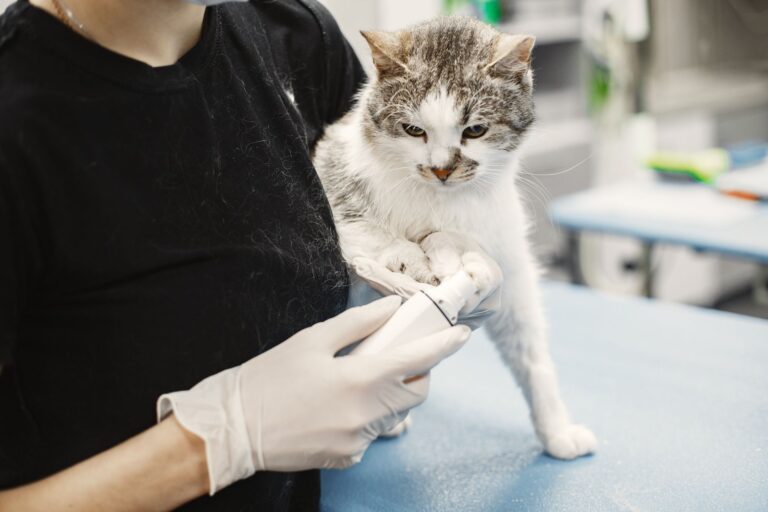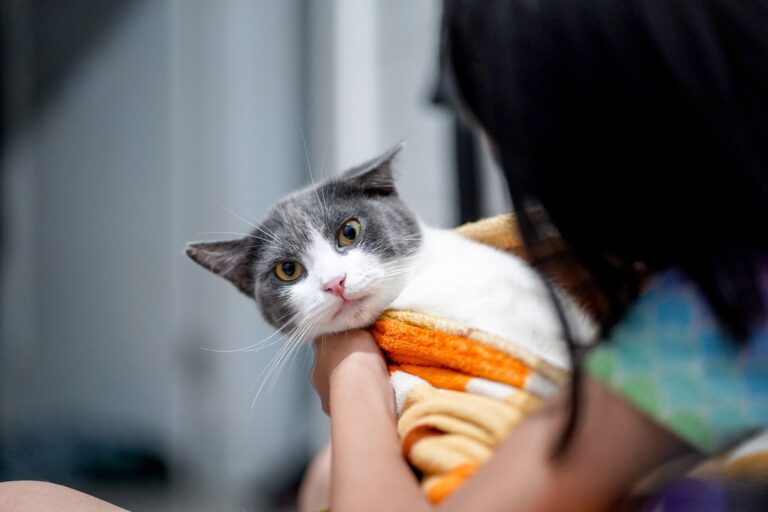

In most homes, low-shedding cats leave less visible hair behind, rather than staying hairless or automatically reducing allergies. Even a Sphynx drops skin cells and oils, and a Siamese still loses some fur.
Here’s a clear look at low-shedding breeds, Fel d 1, and the grooming habits that matter most for a cleaner room and a better match.
The Myth of the Non-Shedding Cat
Every cat replaces old hair on a cycle. As new growth comes in, loose strands fall away, even on hairless breeds with barely any coat.
A dark sofa makes that easy to see. Short coats, fine coats, and coatless cats leave less visible fuzz, yet they still spread dander, skin oils, and saliva residue that can matter for allergies and furniture.
Shedding Is Not The Same As Allergens
Fel d 1 is the main cat allergen, and it comes from saliva, skin glands, and dander. A cat can leave almost no fur on your clothes and still trigger sneezing because the allergen rides on tiny skin flakes and dried saliva.
That’s why a low-shedding coat doesn’t mean an allergy-friendly cat. Your nose reacts to proteins, not fur alone, so the cat with the least hair isn’t always the easiest one to live with.
Hairless Cats Still Leave A Trace
Sphynx cats have little or no visible fur, but their skin still makes oils that can rub onto bedding and furniture. Those oils collect dust and dander, so cleaning shifts from vacuuming hair to wiping skin oils and washing soft surfaces.
That catches many households off guard, and it changes the routine quickly. Once shedding and allergen production are separated, the next step is choosing the breeds that tend to leave less hair behind in your space.
Breeds that shed less still depend on the cat itself, making individual variation the real deciding factor.
Breeds That Tend To Leave Less Hair Behind
That cleanup pattern shows up most clearly in certain breeds. Short coats, fine coats, and sparse coats often leave the smallest trail on furniture and clothing, and a few breeds make that easier to manage at home.
Devon Rex and Cornish Rex cats have soft, wavy coats with less dense coverage than many breeds, so loose hair is easier to manage. Russian Blue cats have a plush double coat that can shed, yet many households notice a cleaner feel than with heavier-coated breeds. Bengal cats also stand out for a sleek coat that tends to stay close to the body.
Short Coats That Usually Leave Less Fur
Siamese cats are a practical example because their fine, short coat leaves less visible hair on cushions and laps. Balinese cats carry a longer coat than Siamese cats, yet their single-coat structure can still release less undercoat than bulkier breeds.
Breed names help set expectations, but they don’t guarantee a fixed result. A well-groomed Bengal can leave less hair than a neglected short-haired cat with a dense undercoat, so breed is only the starting point for your decision.
Hairless And Sparse-Coated Choices
Sphynx, Devon Rex, and Cornish Rex often land near the top of low shedding cat breeds because they have less fur to release into the home. The trade-off is different maintenance, since skin oils, ear wax, and coat texture need more direct attention from you.
You may hear these called non shedding cats, yet that label is misleading. Hair loss is reduced, not erased, and that distinction matters the moment you touch a couch, a blanket, or your shirt sleeve.
Breed Lists Work As Starting Points
Temperament matters as much as coat type, because a cat that hates handling can turn grooming into a fight. A calm Russian Blue may suit your home better than a restless Rex, even though both can leave less hair behind.
What cats shed the least depends on coat structure, grooming tolerance, and the individual animal in front of you. That variation leads straight into the allergy problem, where breed labels start to break down for your situation.
Even with low-shedding breeds, allergy reactions depend on more than coat type, which is where labels start to fail.
Allergies, Dander, and the Limits of Breed Labels
That allergy problem starts with a protein, not a fur count. Hypoallergenic cat breeds is a useful search phrase, but it oversells certainty. No breed removes Fel d 1 from saliva or dander, and no coat type can promise the same reaction from every person with allergies.
Fel d 1 sticks well because it’s a small protein that rides on microscopic particles. Those particles stay airborne longer than a single strand of fur, so a room can look clean while the allergen load still lingers in soft fabric and carpet.
Why Individual Cats Vary So Much
Two cats of the same breed can produce different amounts of allergen and skin debris. Hormones, grooming habits, age, and overall skin health all influence how much ends up on your hands, couch, and bedding.
That’s why spending time with one cat matters more than reading a breed name on paper. You may do fine with a Balinese and react strongly to a different Balinese with heavier saliva spread and more dander, even when the breed looks identical on a list.
What Best Cats For Allergies Really Means
For allergy-prone owners, the phrase best cats for allergies usually points to lower-fur, lower-dander choices instead of a cure. Some households do better with a Devon Rex because the coat sheds less; others find a Siamese easier because the cat tolerates regular wiping and brushing.
Allergy care also depends on the home. A bedroom with washable bedding and less carpet gives allergen particles fewer places to settle, which can matter as much as the breed itself for comfort.
| Breed | Coat Type | What You Usually Notice |
|---|---|---|
| Sphynx | Hairless | Little fur, more skin oil and dander cleanup for you |
| Devon Rex | Short, wavy | Soft coat, lighter visible shedding around your home |
| Cornish Rex | Very short, curly | Minimal undercoat, easy fur pickup from surfaces |
| Siamese | Fine, short | Low visible hair, easy brushing routine |
| Russian Blue | Dense but short | Moderate grooming, less messy than heavy coats |
The table gives a practical map, not a promise. Symptoms, home layout, and grooming habits matter as much as the breed name on the adoption card, so grooming comes next.
Because breed alone cannot predict reactions, everyday cleanup and brushing become the practical tools that matter most.
Grooming Habits That Keep Loose Hair Under Control
Regular brushing removes hair before it reaches the sofa, rug, or black sweater. A five-minute session two or three times a week can make a visible difference, especially with low shedding cat breeds that still release fine strands.
Brushing also spreads skin oils through the coat, which can keep fur from looking dull or flaky. That matters because dry skin sheds more debris, and more debris means more cleanup for you.
Brushing Works Best On A Routine
A soft slicker brush, grooming glove, or fine comb can pull out loose hairs before they drift. Short-haired cats still benefit, because short fur can cling to upholstery just as stubbornly as longer fur.
Use the same spot each time, such as a bathroom mat or laundry room floor, so loose hair stays contained. The routine matters more than the tool, and consistency usually beats one long session each month in your home.
Bathing And Wiping Fit Sparse Coats
Sphynx cats need wipe-downs because skin oils build up fast, and a gentle cat shampoo bath may be part of that schedule. Devon Rex and Cornish Rex cats also benefit from coat checks, ear care, and an occasional cloth wipe along the back.
Warm water, a mild cat-safe cleanser, and a towel dry are enough for most sparse-coated cats. That keeps furniture cleaner and reduces the oily film that can settle on blankets, which is a different problem from fur but just as real for your rooms.
Check the coat while grooming. Flakes, redness, or a greasy feel can point to skin trouble that deserves a vet visit rather than a longer brush session.
Cleaner Rooms Start With Small Habits
Furniture, throw pillows, and car seats collect hair fastest because fabric traps loose strands in the weave. A lint roller, handheld vacuum, or washable cover gives you faster cleanup than scrubbing fur out of upholstery by hand.
The payoff isn’t just a tidier room. Better grooming habits also support skin health, which can keep a cat more comfortable and stop hair loss from becoming a bigger mess for you.
Consistent brushing does more than clear loose fur; it also supports skin health and reduces unnecessary shedding.
Diet, Season, and Health Shape The Amount A Cat Sheds
That seasonal change can move fast, especially in spring and fall. Coats shift with daylight, temperature, and hormones, so many cats shed more during those transitions when the body swaps thicker fur for lighter fur.
Nutrition affects coat condition too. A diet with enough protein and fatty acids supports healthier skin and a stronger coat, while poor intake can leave fur brittle and prone to breakage around the home.
Seasonal Coat Swaps Add More Loose Hair
Indoor cats still follow light cues, even if the thermostat stays steady. That means your home can see extra hair in late winter or early spring, and a comb will collect more loose undercoat during those weeks.
Bengal, Russian Blue, and Siamese cats may still show this pattern, even with coats that look easy at a glance. Seasonal change is part of the species, so a lighter-shedding breed can still fill a brush faster at certain times of year for you.
Stress And Skin Issues Change The Pattern
Stress, fleas, allergies, ringworm, and hormonal disease can change coat quality fast. A cat that starts scratching, licking, or leaving clumps of hair behind is telling you the fur cycle has shifted for a reason.
A coat can go from sleek to patchy after a hidden skin issue, and the brush will not fix that. Sudden hair loss, bald spots, or greasy skin deserve a veterinary exam, because those signs point beyond normal shedding and into health concerns for your cat.
Nutrition Supports The Coat From Within
Omega-3 and omega-6 fatty acids support skin barrier function, and adequate protein gives hair shafts the material they need. A steady diet change can take several weeks before the coat reflects it, since new growth has to replace older fur.
That internal support doesn’t turn a shedder into a non shedder, but it can trim excess breakage. Once coat health is stable, your choice of cat becomes easier to judge in real life rather than in a brochure.
Healthy skin and a steady coat make it easier to judge a cat by its actual shedding, not marketing claims.
Choosing The Right Cat For A Cleaner, Easier Home
Coat type, grooming tolerance, and allergy sensitivity need to sit in the same decision, not separate ones. A cat with a sleek coat can still be a poor fit for your home if you can’t keep up with brushing or if skin oils bother your fabrics.
That’s why the best cats for allergies aren’t chosen by breed name alone. A quiet Siamese, a calm Russian Blue, or a well-handled Sphynx may fit your space better than a supposedly easier cat with poor habits.
Spend Time With The Individual Cat
Spend at least one visit handling the cat, then watch what happens after a short brush or gentle wipe. You’ll learn more from that minute than from a dozen breed lists, because coat feel, skin oil, and temperament show up right away for you.
That kind of contact also tells you whether the cat accepts regular grooming without a struggle. Cats that are easier to groom tend to leave less hair around the home simply because the routine happens often enough to matter for your cleanup.
Set Realistic Expectations Before You Adopt
Low shedding cat breeds can lower cleanup time, but no cat gives you a fur-free house. Hair on clothes, dander on fabric, and the occasional tumbleweed under the sofa are still part of living with a cat.
Cats that don’t shed is a useful phrase for comparison shopping, yet the real win is a coat that fits your tolerance, your allergies, and your routine. Once those three line up, your home feels cleaner without chasing an impossible standard.
When those needs align, the right cat can keep your home manageable without demanding perfection.
What To Remember
No cat is fully shed-free, but some leave far less hair and fit cleaner homes more comfortably. The best result comes from pairing a lower-shedding breed with regular grooming, smart fabric care, and a realistic view of allergens, dander, and Fel d 1.
FAQ
Are there any cats that don’t shed at all?
That completely non-shedding cat doesn’t exist. Even hairless breeds still lose skin cells and leave oils and dander behind, so the real difference is how much visible fur ends up around the home.
What cat breeds are best for people with allergies?
Sphynx, Devon Rex, Cornish Rex, Siamese, Balinese, Bengal, and Russian Blue cats are common starting points. Your reaction depends on Fel d 1 exposure, so spending time with the individual cat gives you the clearest signal.
Do hypoallergenic cat breeds really exist?
Not in a literal sense. The phrase points to breeds that tend to cause fewer symptoms for some people, but allergens still come from saliva, skin, and dander, and those proteins vary from cat to cat.
Which low-shedding cat breeds are easiest to care for?
Siamese and Russian Blue cats are often simpler for routine brushing, while Sphynx cats need more skin care. Your easiest choice depends on whether you prefer light brushing or skin wiping as the main habit.
What cats shed the least?
Devon Rex, Cornish Rex, Sphynx, Siamese, and some Russian Blue cats tend to leave less visible hair. Breed still sets only part of the picture, because diet, season, and grooming shape the actual amount you see at home.