
Yes,cats can develop feline panleukopenia, the cat form of parvovirus, and kittens can go downhill very quickly. Vomiting, diarrhea, weakness, or a dirty tail in a young cat means same-day veterinary care is the safest move.
This guide covers feline panleukopenia, the cat parvovirus, and what it means for kittens and other vulnerable cats, from warning signs and hospital care to how it spreads through kennels, homes, and shared surfaces.
Parvo In Cats Means Feline Panleukopenia
Feline panleukopenia virus is what most people mean when they ask can cats get parvo. It damages the intestines and bone marrow, which leads to vomiting, diarrhea, dehydration, and a sharp drop in white blood cells.
That hit to the gut and immune system is why the illness can escalate so fast. Canine parvovirus and feline panleukopenia are related, but clinics treat them as different diseases because they affect different species in different ways.
CPV-2 is the strain behind dog parvo, and that difference matters when comparing risk across species. The American Association of Feline Practitioners and the AAHA Core Vaccination Guidelines list feline panleukopenia as a core vaccine target, which shows how seriously veterinarians take it.
That seriousness makes sense when you look at how quickly young immune systems can be overwhelmed.
Why Kittens Face The Greatest Risk
Small bodies lose fluid quickly, and kittens have very little reserve to fall back on. A 10-ounce kitten with vomiting and diarrhea can become dehydrated far sooner than an adult cat, and that can turn urgent in a hurry.
Immune Systems That Have Not Caught Up
Young kittens also have immature immune defenses, so the virus can spread before the body has much chance to contain it. The bone marrow damage matters because white blood cells fight infection, and low counts leave a kitten open to bacterial complications.
Vaccination Status Changes The Odds
An unvaccinated cat is far more likely to develop severe illness and die than a cat that has already started the kitten vaccine series. Age and vaccine status work together, so a six-week-old stray with diarrhea is in a much different spot than a healthy adult with one loose stool.
That speed is why early action matters. Once a kitten stops eating and starts hiding under furniture, waiting to see if it passes is the wrong call.
Because those first clues can spiral quickly, the danger becomes easier to miss than to manage.
The Signs That Should Raise Concern
Vomiting, diarrhea, fever, lethargy, and loss of appetite are the common cat parvovirus symptoms. A cat that only takes a few sips of water before lying flat, or a kitten with tacky gums, needs prompt veterinary attention.
Dehydration Shows Up In Small Details
Dry gums, sunken eyes, and skin that returns slowly after a gentle lift at the neck can all point to dehydration. Weakness may also show up as a cat that stops jumping, misses the litter box, or collapses after a few steps.
Testing Beats Guesswork
Figuring out how to tell if a cat has parvo starts with a vet exam, not a home diagnosis. Fecal testing, blood work, and a full history give the clearest picture, because pancreatitis, foreign-body blockage, and severe giardia can mimic parts of the same symptom set.
One stray example makes that clear: a barn kitten with blood-tinged diarrhea and a fever may have panleukopenia, but those same signs can also come from another intestinal problem. A clinic visit separates those paths fast, which keeps the next step grounded in facts.
When symptoms overlap like that, tracing the cause becomes just as important as easing the illness.
Diagnosis And Supportive Hospital Care
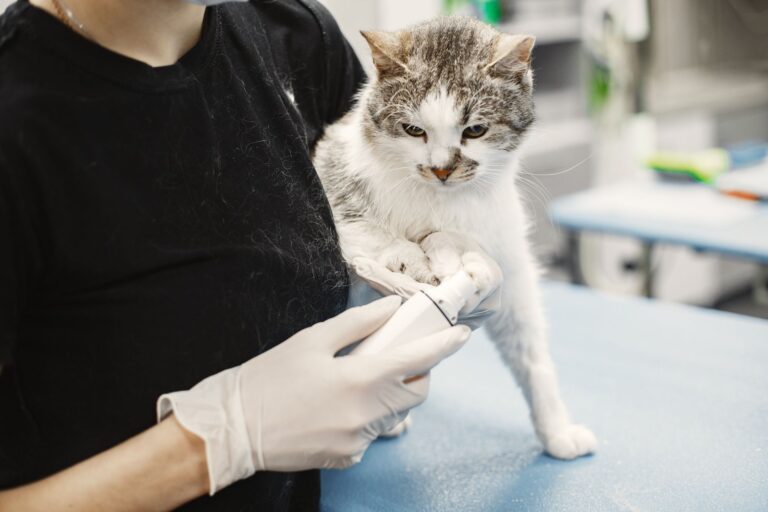
There isn’t a specific cure for feline panleukopenia treatment. Vets focus on supportive care, and that usually means IV fluids, anti-nausea medication, nutrition support, and close monitoring in a hospital setting.
What Hospital Care Does
Fluids correct dehydration and help blood move through the gut and kidneys. Antiemetic drugs calm vomiting, warming support helps a weak cat keep body temperature stable, and assisted feeding can protect the intestinal lining until appetite returns.
Why Early Arrival Changes The Plan
Survival depends on how soon care begins, how old the cat is, and how severe the dehydration and immune suppression have become. A cat that arrives after a full day of vomiting has a narrower margin than one brought in after the first loose stool.
Veterinary teams also watch electrolytes and blood glucose, because the disease can drain both. That monitoring can be the difference between steady improvement and a crash from a preventable complication.
Close monitoring matters because the virus spreads easily through infected waste and anything it touches.
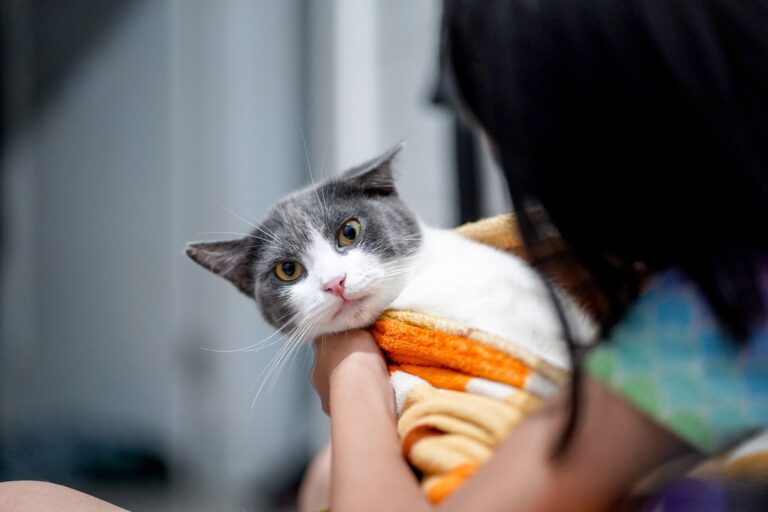
Bring a suspected case in a carrier lined with a washable towel, and keep sick cats separate from healthy pets during the trip. Small changes in handling can lower spread inside your home and clinic.
Transmission From Dogs And Contaminated Surfaces
Canine parvovirus mainly infects dogs, not cats, so direct dog-to-cat spread isn’t the usual route. The bigger issue is shared contamination, because a hardy parvovirus can travel on shoes, hands, bowls, crates, laundry, and floor dust.
How The Virus Moves Through A Home
Picture a mud smear on a shoe sole. Invisible particles can cross a hallway, land on a rug, and reach a cat that walks there later, which is why isolation matters after illness appears.
The risk climbs when an unvaccinated cat touches an infected environment, a contaminated litter area, or a surface that carried the virus from a dog household or shelter intake. That includes hidden contamination you can’t spot at a glance.
Why The Environment Matters So Much
Parvovirus is built to survive outside a host for a long time, especially on porous material and in cool indoor spaces. That endurance is why shelters, foster homes, and multipet houses need a strict cleaning routine after any sick animal has been present.
Common examples include a rescue kitten placed in a room that still has contaminated bedding, a dog bowl left near a cat feeding station, and a carrier used for both a sick dog and a young cat. Each one can keep the chain going.
Even a brief contamination can linger, which is why prevention has to break every link.
| Situation | Risk Pattern | Practical Response |
|---|---|---|
| Unvaccinated kitten in rescue intake | High exposure from shared surfaces | Isolate at once and separate supplies |
| Adult cat in a dog-only home | Lower direct risk, but contaminated objects still matter | Keep bowls, litter tools, and carriers separate |
| Shelter room after illness | Environmental virus can linger on floors and fabrics | Use a parvovirus-appropriate cleaning protocol and downtime |
| Multi-pet home with one sick animal | Spread through paws, hands, and shared fabric | Limit contact and change clothing after care |
Vaccination And Cleaning As The Strongest Protection
A timely vaccine offers cats the best protection against feline panleukopenia. The AAHA Core Vaccination Guidelines place panleukopenia in the core group, and that matters because the vaccine lowers the chance that exposure turns into disease.
Cleaning Has To Match The Virus
Soap and water remove dirt, but they don’t solve a parvovirus problem on their own. A shelter run, a foster room, or a household with a sick cat needs a cleaning plan that reaches bowls, crate latches, litter scoops, and floors, not just visible mess.
Isolation Protects The Rest Of The House
Separate sick animals from healthy ones, and keep shared items out of the sick room. Change clothing and wash hands after contact, since your hands can carry particles from a carrier handle to a food dish in minutes.
- Start kitten vaccines on time. A kitten series closes the gap when maternal protection fades.
- Keep new arrivals apart. Two weeks of separation gives you time to watch for vomiting or diarrhea.
- Scrub shared gear. Bowls, litter tools, and carriers can move contamination between animals.
- Track exposure history. A rescue background changes risk even before symptoms appear.
- Ask before mixing pets. A dog recovering from parvo and a young cat should not share space or supplies.
For new kittens, multi-pet homes, and shelters, the practical rule is simple: vaccinate on schedule, separate anything sick, and clean shared spaces carefully after any gastrointestinal illness. That combination gives a cat the best odds before the virus gets a foothold.
Those habits matter most when exposure is likely, because the virus rewards even small lapses.
Key Takeaway
Yes, cats can get parvo, and the danger comes from feline panleukopenia, not the dog version people picture first. Quick recognition, hospital support, vaccination, and strict separation matter most because kittens can fade fast and the virus can linger on surfaces.
FAQ
Is feline panleukopenia the same as parvo?
In cats, this parvovirus illness is called feline panleukopenia, while dogs face a different parvovirus entirely. The illnesses sit in the same virus family, yet they affect different species and need separate prevention plans.
Can a cat get parvo from a dog?
Direct dog-to-cat spread isn’t the usual path. The real risk comes from contaminated objects, clothing, bowls, flooring, or carrier surfaces that carried the virus from an infected environment.
How long can a cat live with parvo?
The timeline varies with age, hydration, and how fast care begins. A kitten can worsen within hours without support, while a cat that reaches a clinic early has a better chance of recovery with fluids, monitoring, and nutrition support.
How common is parvo in cats?
Unvaccinated cats in shelters, rescues, breeding colonies, and contaminated homes are where the disease turns up most often, even though it is less common than routine upper respiratory illness. Risk climbs fast where vaccine status is weak and exposure is repeated.
How do I tell if my cat has parvo?
Vomiting, diarrhea, fever, lethargy, and loss of appetite are the key warning signs, but those signs overlap with several other illnesses. A vet exam and testing are the only reliable way to separate feline panleukopenia from look-alike problems.