
Yes, it’s usually conjunctivitis, an inflammation of the tissue around the eye. You might notice redness, swelling, extra blinking, squinting, or discharge that makes the eye look irritated and uncomfortable.
Here’s a clear look at the signs, common causes, how it spreads, and when vet care matters most, especially if you’re trying to tell mild irritation from an eye infection that needs prompt attention.
Pink eye in cats usually means conjunctivitis
Red tissue around the eye is the big clue. The conjunctiva is the thin membrane that lines the eyelids and covers part of the eyeball, and when it gets inflamed, veterinarians call it conjunctivitis. In cats, it can show up in one eye or both, so a single watery eye still counts.
Pink eye doesn’t point to one disease. It describes a reaction, not a diagnosis, so viral infection, bacterial infection, allergies, or simple irritation can all create the same red, puffy look. That difference matters because treatment depends on what started the inflammation, not on the color alone.
The American Veterinary Medical Association uses the same basic idea in clinic language: conjunctivitis is a sign, not a final cause. That’s why a cat eye infection can look the same at home and still need different care once a veterinarian checks the eye surface.
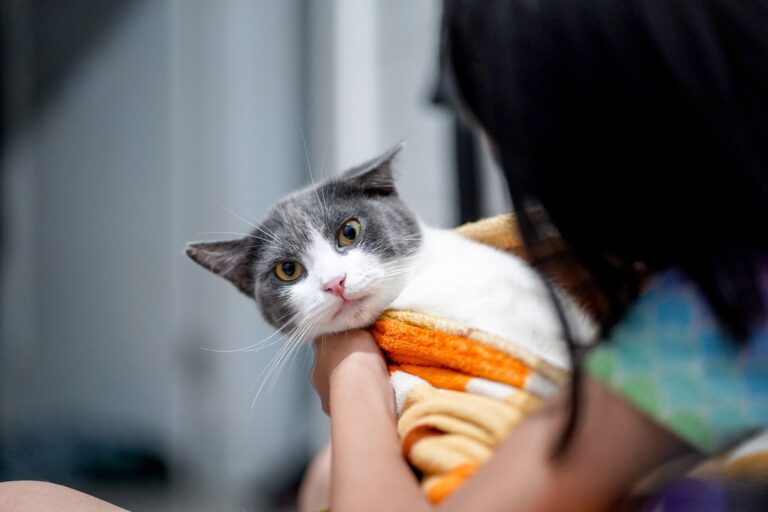
A closer look at the eye surface often reveals whether infection, injury, or another irritant is driving the redness.
Symptoms that point to an eye problem
That red, wet eye often comes with changes you can spot in seconds. A cat with eye redness usually blinks more, keeps one lid partly closed, or turns the head away from bright light because the surface feels gritty or sore.
Visible changes around the eye
Redness, swelling, and tearing fit the classic pattern. You may also see clear watery eyes, thicker discharge, or crust on the lashes after a nap. Yellow or green material often points to a more active infection, while a thin clear film can still come from irritation or a viral flare.
Behavior that signals pain
Face pawing is hard to miss. Cats also rub against furniture, squint hard in daylight, or stop grooming the area because the lid feels tender. A quiet cat that sits under the table and keeps one eye shut can be in more pain than the surface looks.
A mild-looking case can still hide a corneal ulcer or foreign body. That’s the trap with pink eye in cats, since the outside picture can seem simple while the eye itself is hurting underneath.
That outward similarity often hides different problems, and the real clue is what sparked the inflammation in the first place.
What usually triggers the inflammation
Several different causes sit behind cat conjunctivitis, and each trigger leaves a different footprint. Viruses, bacteria, allergies, and debris can all irritate the conjunctiva, which is why the same red eye may need a different fix from one cat to the next.
Infectious causes that keep coming back
Feline herpesvirus-1 is a frequent source of repeated eye flare-ups. It can lie quiet, then wake up during stress, boarding, new home routines, or an upper respiratory infection. Chlamydia felis can also cause eye discharge and redness, and it spreads among cats in close contact.
Irritants and allergens in everyday spaces
Dust from litter, dry air, pollen on a window screen, or a tiny piece of grass seed can all spark irritation. An indoor cat isn’t protected from any of that, since debris rides in on shoes, clothing, open windows, and even grooming after a nap near a dusty vent.
Why indoor cats still get eye trouble
An indoor cat can still develop conjunctivitis from a virus already in the body, from a litter tray that sheds dust, or from a shared food bowl in a multi-cat home. A warm sunbeam on the couch doesn’t stop a herpes flare, and a spotless apartment still carries pollen on fabric and through airflow.
That mix of causes is why the next question is spread, not just symptoms. Some cases pass from cat to cat, while others stay tied to irritation or allergy alone.
Because the trigger matters, figuring out whether it can spread becomes the next practical concern.
Contagion depends on the cause
Spread follows the cause. Infectious conjunctivitis can move between cats through close contact, shared bowls, face rubbing, grooming, or contaminated hands and cloths, while allergy-driven redness does not pass from one cat to another.
Cat to cat spread
In homes with more than one cat, viral cases and some bacterial cases are the main concern. A sneezing cat with watery eyes can shed infectious material, and a second cat may pick it up through grooming or shared resting spots. Separate bowls and quick hand washing help reduce that chain.
What human exposure means
A cat isn’t usually catching pink eye from a person. Human conjunctivitis and feline conjunctivitis are different problems, and your cat’s eye issue is more likely tied to cat-specific germs, irritation, or allergy than to a person in the house.
The American Association of Feline Practitioners and the AVMA both stress veterinary input for eye problems because the cause changes the plan. That matters in homes with several cats, since a contagious source changes household care while a noninfectious source does not.
When spread is possible, early examination helps separate a household problem from a one-cat irritation.
Why a vet exam matters early
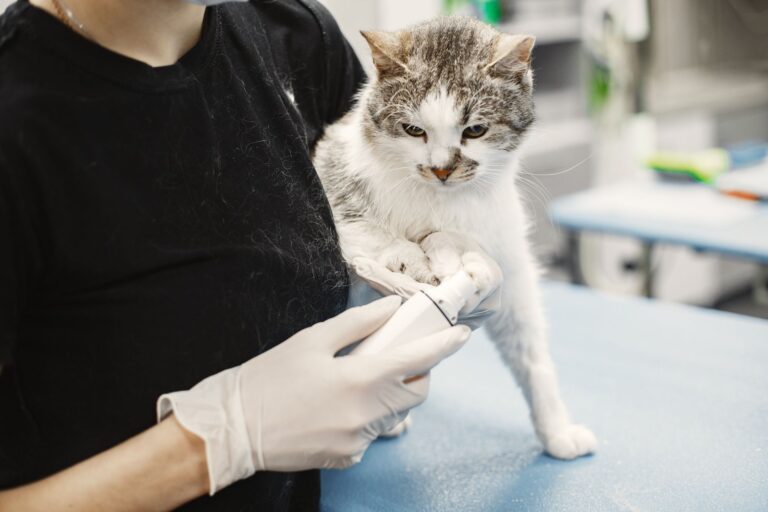
Eye tissue can change fast. A veterinarian may stain the eye with fluorescein to look for a corneal ulcer, check the lids for a trapped hair or seed, and look for injury under the third eyelid before any medicine starts. Those details shape the safest next step.
What the exam can rule out
A scratch from a cat claw, a scratch from dry debris, or a foreign body can mimic simple conjunctivitis. A cloudy cornea, deep pain, or a tiny wound on the eye surface can shift the case from routine irritation to a more serious problem. That’s where a hands-on exam matters most.
When delay creates trouble
Pressure, pain, and surface damage can build quickly. A cat that keeps one eye clamped shut, develops haze over the cornea, or gets worse over 24 to 48 hours deserves prompt care because untreated inflammation can affect comfort and vision. A quiet eye problem can turn noisy fast.
Do not wait on a cloudy eye or a cat that cries when touched near the face. Those signs fit more than simple conjunctivitis, and the difference can change the eye’s outcome.
Once the eye has been checked, the treatment plan becomes much more specific, and the safe home steps are easier to sort out.
That kind of assessment also makes treatment choices clearer, especially when home care needs to be safe and targeted.
Safe treatment and home care that actually help
How to treat conjunctivitis in cats depends on the cause. A veterinarian may prescribe antiviral medicine for herpes-related flare-ups, antibiotic drops for a bacterial infection, or allergy relief when the eye is reacting to dust or pollen. Some cats also need lubrication to reduce surface friction while the eye settles.
Veterinary medicine that fits the cause
Eye drops aren’t interchangeable. For herpesvirus, the aim is to calm the viral cycle and support the eye surface; for bacterial disease, the medicine choice changes; for allergies, the focus shifts to reducing the trigger and easing the inflammation. The right label on the bottle matters more than the brand.
What to skip at home
Human eye medications should not be used on cats unless a veterinarian says so. Some products contain steroids that can worsen a corneal ulcer, and others use ingredients that are not safe for feline eyes. A warm, damp cloth can soften crust, but it doesn’t replace an exam or prescription care.
Practical care steps that support recovery
- Gently clean crust. Use sterile saline or a clean damp cloth, then wipe from the inner corner outward once.
- Keep bowls separate. Separate food and water bowls matter in multi-cat homes with infectious eye disease.
- Watch the other eye. Redness in the second eye can appear after the first side starts acting up.
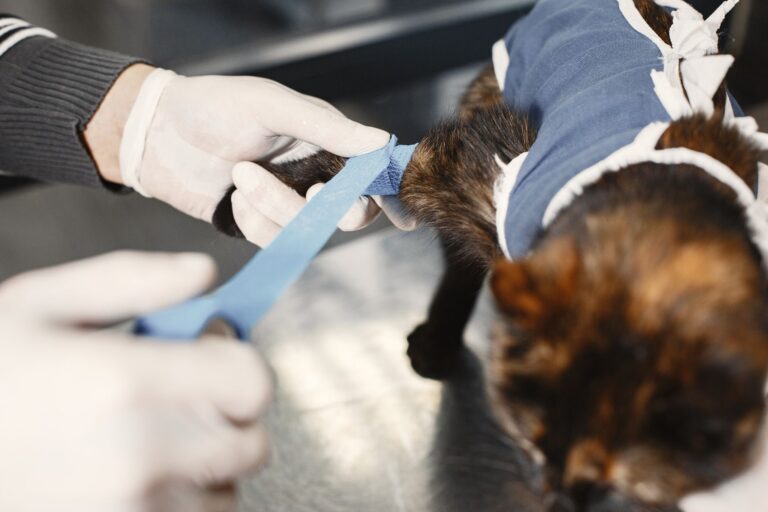
- Limit face rubbing. A cone or soft recovery collar can stop extra scratching during the sore phase.
- Track discharge color. Clear fluid, thick mucus, and yellow-green material point in different directions.
Some mild cases improve with careful care, but cat conjunctivitis should not be left to sort itself out without guidance. A short delay can be harmless in one cat and risky in another, especially with herpesvirus, ulcer risk, or worsening pain.
Without that guidance, a seemingly minor eye problem can quickly become a more serious one.
Wrap Up
Pink eye in cats is real, and the label covers a range of causes rather than one simple illness. The safest move is to treat eye redness as a clue, not a diagnosis, because pain, discharge, and squinting can hide an ulcer, infection, or irritant that needs specific care.
FAQ
Can cats get pink eye?
In veterinary clinics, cats with red, watery eyes are usually diagnosed with conjunctivitis. It can affect one eye or both, and the cause may be viral, bacterial, allergic, or related to irritation.
How do you treat pink eye in cats?
Treatment depends on the cause, so a veterinarian may prescribe antiviral medicine, antibiotic drops, or care for allergies and irritation. Human eye medicine should stay off the list unless a veterinarian specifically says it is safe.
Can pink eye in cats resolve on its own?
Some mild irritation fades, but that doesn’t mean the eye is fine. A corneal ulcer, foreign body, or infection can look mild at the start, so veterinary guidance is the safer path.
Can a cat catch pink eye from a human?
That isn’t the usual pattern. Cat eye infections are more often tied to feline-specific viruses, bacteria, allergy, or debris, so a cat with pink eye needs a veterinary look even when a person in the home has eye trouble.
How did my indoor cat get conjunctivitis?
Indoor cats can still pick up conjunctivitis from airborne dust, pollen, a viral flare such as feline herpesvirus-1, or a tiny piece of debris. Shared bowls, litter dust, and stress can also play a part in a flare.