

Choosing aquarium decor gets easier when you separate what looks good from what actually fits the tank. Some setups need fine gravel that settles neatly around plants, while others look better with larger stones that create depth and hiding spots. The picks below cover both ends of that range, plus a few glow-in-the-dark and color-accent options for tanks that need a little personality.
You also get a mix of aquarium-first products and stones that work just as well in terrariums, vases, and small garden displays. That makes this list useful for hobbyists who want a tidy substrate, and for anyone shaping a display where texture matters as much as color.
Quick Look At The Shortlist

GloFish Aquarium Gravel 5 Pounds, White

FANTIAN 5 lbs Aquarium Gravel, 1/4 Inch Pea Gravel
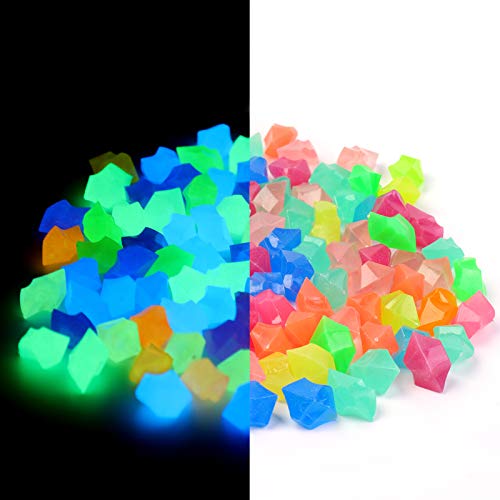
Oubest Fish Tank Decorations Rocks Glow in The Dark Pebbles

Special Turquoise Aquarium Gravel 5-Pound Bag

Aquarium Rocks Seiryu Stones Natural Hardscape Stone 5lb

Aquariums Stones Natural Rocks 3lb Aquarium Rock for Fish Tank
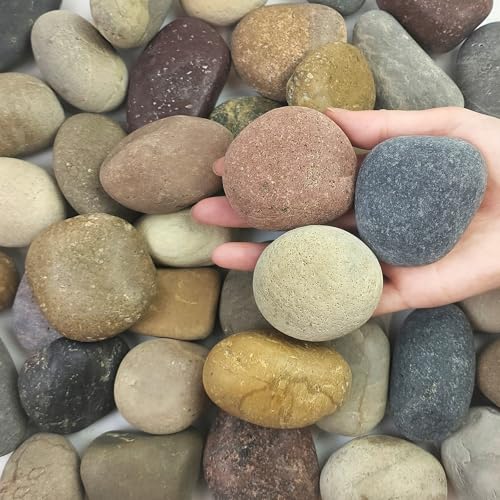
FANTIAN 5 lbs Natural Aquarium Rocks, 2-3 Inch River Rocks

NUPICK 3 lbs Pebbles for Indoor Plants, 3/8 Inch Pea Gravel
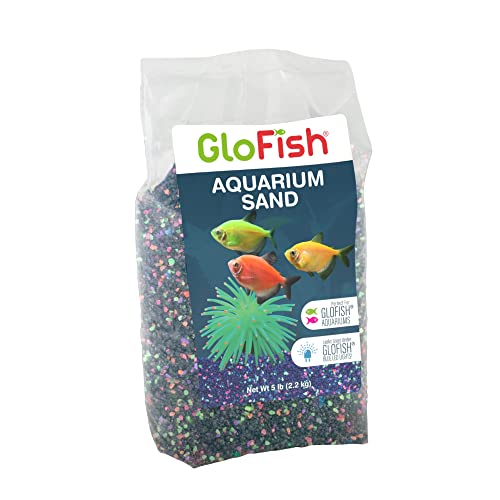
GloFish Aquarium Sand 5 Pounds, Black with Highlights

OSOPOLA 150 PCS Luminous Stones Mixed Color Glow Rocks FD05MX150
More Details On Our Top Picks
White gravel like this makes sense in a GloFish setup because the bright base helps decorations stand out without crowding the tank. The fluorescent accenting is the real draw, especially under blue LED lighting, and that matters more in a display tank than in a plain utility setup.
You may find the color-forward look a little busy in a low-light aquascape, so the honest read is that this suits hobbyists who want energy over restraint. Compared with Spectrastone’s turquoise gravel later in the list, this one leans more into the GloFish theme and less into a general freshwater style.
Strong Points
- White base gives ornaments clear contrast.
- Fluorescent accents add pop under blue lighting.
- Works as a substrate or accent layer.
- Pairs naturally with matching GloFish decor.
Points To Note
- The bright look may feel too active for a subdued tank.
- Color styling matters more here than broad utility.
Feature Snapshot
Who It Suits Best
GloFish tank owners who want a bright base with a coordinated look will get the most out of this gravel.
Where A Sibling Pick Shines
GloFish Aquarium Sand 5 Pounds, Black with Highlights suits you better when you want a darker floor with a softer, lower-profile finish.
That 1/4-inch average size puts this in the sweet spot for many small aquariums and decorative bowls, because the stones stay visually defined without looking oversized. Since the bag weighs 5 pounds, you get a practical amount for a modest fish tank, a vase layer, or a succulent container.
One thing worth considering is the sizing note about some pieces running larger after screening, which matters most when you want a very uniform bed. Compared with GloFish Aquarium Gravel 5 Pounds, White, this one feels more natural and less theme-driven, so it suits quieter setups better.
Highlights
- Quarter-inch average size fits many small displays.
- Useful beyond aquariums, including planters and vases.
- Natural pebble look works in plain layouts.
- 5-pound bag suits small to medium projects.
Minor Gripes
- Some pieces can land larger than the average.
- Uniformity matters more in clean, minimal layouts.
At A Glance
Who Will Love This
You get the most from this pick if you want a natural pebble look for a small tank, planter, or tabletop arrangement.
Another Choice May Suit
FANTIAN 5 lbs Natural Aquarium Rocks, 2-3 Inch River Rocks works better for you if your layout needs larger stones and a more grounded visual anchor.
This set leans decorative first, which makes it a natural fit for hobbyists who want more visual detail than a plain substrate can offer. Glow-in-the-dark stones work especially well in low ambient light, and they can give a turtle tank or accent area a little extra presence without changing the whole floor.
Since the listing is aimed at decorations, not a full substrate bed, you may find it works best as an accent rather than the main material in a busy aquarium. Compared with the FANTIAN pea gravel, this set is more about scene-setting than day-to-day tank coverage.
Upsides
- Glow effect adds after-dark visual interest.
- Useful for tanks that need accent stones.
- Works across aquarium and garden-style displays.
- Small pebbles are easy to place by hand.
Areas To Watch
- Decorative use matters more than broad substrate coverage.
- Accent stones can look scattered if overused.
Details At A Glance
Best Suited To
You will like this most in decorative tanks, accent trays, or mixed displays where the glow effect matters.
Swap It Out When
Special Turquoise Aquarium Gravel for Freshwater Aquariums, 5-Pound Bag fits better when you want one consistent substrate color instead of a decorative accent mix.
Turquoise gravel gives a freshwater tank an immediate color shift, so the layout looks styled even before you add plants or ornaments. That stronger visual identity works well in casual home aquariums where you want the substrate to do some of the decorating.
The trade-off is that the color statement can dominate a small setup, which may not suit a very natural scape. Compared with Oubest’s glow pebbles, this is less about novelty and more about a steady, daytime color foundation.
Reasons To Buy
- Distinct turquoise tone adds quick visual impact.
- Works as a simple base for freshwater tanks.
- Can help a plain aquarium feel more finished.
Softer Spots
- The color can feel strong in small tanks.
- Style fit matters more than broad utility.
Core Details
The Right Fit
You are the best match for this gravel if you want a bright freshwater base with a clear color identity.
Reach For A Different Pick When
GloFish Aquarium Sand 5 Pounds, Black with Highlights suits you better when you want a darker floor and a more subdued finish.
These stones are aimed at scaping, not just covering the floor, so they make more sense for tanks where structure matters. The 2 to 6 inch size range gives you enough variation to build ledges, anchor plant zones, or create a focal point that feels like part of the aquascape rather than a loose pile.
Compared with the turquoise gravel and the GloFish substrates, this is the choice you reach for when the layout itself is the main project. You may find the larger stone profile a little demanding in a cramped tank, but that same scale is exactly what helps in larger layouts or terrariums.
Best Bits
- Natural stone shape supports layered hardscape design.
- Useful for aquariums, bonsai, and terrariums.
- Larger pieces help build visible structure.
- Works well as an anchor material in mixed scapes.
Room For Improvement
- Larger stones take more planning in smaller tanks.
- Not meant for a flat, uniform substrate look.
Feature Rundown
Whose Shelf It Belongs On
You should reach for this set if your tank plan leans toward hardscape structure and you like arranging stone as a focal element.
Look Elsewhere When
FANTIAN 5 lbs Aquarium Gravel, 1/4 Inch Pea Gravel fits better when your tank needs a finer bed rather than statement stones.
This 3-pound set keeps the footprint smaller than the Seiryu stones, which makes it easier to place in a desktop tank or a mixed terrarium build. The broad use list points to a flexible stone supply for aquascaping, vivariums, reptile enclosures, and paludariums, so you can build a themed space without committing to a single look.
That flexibility is the draw, although the lighter weight means you need to be thoughtful about coverage in larger tanks. You may find it best as a shaping material, not a full floor solution, especially if you want to leave open water around the rocks.
Positives
- Smaller 3-pound package suits compact builds.
- Works across several enclosure types.
- Good fit for mixed-material scapes.
- Natural rock look keeps the layout grounded.
Worth Noting
- Coverage can run short in wider aquariums.
- Best treated as part of a layout plan.
Spec Overview
Made For
You are in the right place if you need flexible natural stones for a smaller scape or a multi-enclosure setup.
A Better Fit Elsewhere
Aquarium Rocks Seiryu Stones Natural Hardscape Stone 5lb suits you better when your project needs more stone mass and a stronger visual anchor.
These 2 to 3 inch river rocks bring a heavier visual presence than the pea gravel options earlier in the list, and that changes the whole feel of a tank edge or planter bed. The larger size works well for planted aquariums, fountains, walkways, and outdoor layouts, where a stone should look grounded rather than tiny.
The honest read is that bigger pieces need more room, so they suit open layouts better than tight nano tanks. Compared with the Seiryu stones, this FANTIAN set feels a little more casual and less sculptural, which can be exactly what you want in a simple natural display.
What We Like
- 2 to 3 inch stones create stronger visual weight.
- Useful for both aquarium and landscape work.
- Natural river-rock look suits planted scenes.
- Good fit where larger decorative stones make sense.
Small Caveats
- Large stones can overwhelm cramped tank layouts.
- Best results depend on spacing and placement.
Feature Card
Perfect Match For
You will like this most if you want a natural rock look for planted spaces, walkways, or a roomy fish tank.
Where Another Pick Shines
NUPICK 3 lbs Pebbles for Indoor Plants, 3/8 Inch Pea Gravel suits you better when you want a smaller polished pebble for tabletop displays.
This pebble mix sits between aquarium gravel and decorative stone, which is why it feels so easy to place in everyday setups. The polished finish gives planters, vases, cactus displays, and tabletop tanks a cleaner edge than raw stone usually does, and the 3/8-inch size stays visually tidy.
Depending on your style, that polish can feel a little more decorative than natural, but that is also what makes it versatile. Compared with FANTIAN’s 1/4-inch pea gravel, this one has a slightly chunkier look, which helps in displays where you want the stones noticed from across the room.
Bright Spots
- Polished finish gives a clean decorative look.
- 3/8-inch size works well in tabletop displays.
- Fits aquariums, succulents, vases, and cactus arrangements.
- Three-pound bag stays manageable for small projects.
Trade Offs
- More decorative than strictly natural in feel.
- Small bag size suits accent work better than bulk coverage.
Technical Sheet
Built With In Mind
You are likely to appreciate this set most for small indoor displays that need a neat, polished finish.
Skip It When
FANTIAN 5 lbs Aquarium Gravel, 1/4 Inch Pea Gravel makes more sense if you want a finer, more understated stone bed.
Sand changes the floor of a tank in a different way than gravel, because the smaller grains create a smooth, low-profile base. The black finish with highlights gives GloFish tanks a darker backdrop, which can make color accents stand out without the busy texture of larger stones.
That finer texture is the reason this pick earns a spot here, though it is not the same kind of visual statement as the turquoise gravel or the glow pebbles. In a small aquarium, the cleaner surface can feel calm and organized, which is exactly what some setups need.
Standout Traits
- Fine sand creates a smooth tank floor.
- Dark color helps bright decor stand out.
- Useful for low-profile GloFish layouts.
- Bag weight suits smaller substrate jobs.
Honest Caveats
- Sand can look flatter than stone gravel.
- Cleaning and placement take a steadier hand.
Quick Facts
The Right Fit
This is a smart choice for small GloFish tanks that benefit from a smooth, darker substrate.
Where A Sibling Pick Shines
GloFish Aquarium Gravel 5 Pounds, White fits better if you want a brighter base that makes ornaments pop more aggressively.
This mixed-color luminous set behaves more like decor than standard aquarium substrate, so it suits accent zones, craft-style arrangements, and path or patio displays as easily as a fish tank. The 150-piece count gives you room to spread the stones out, and the glow effect adds a playful finish that feels brighter than the Oubest pebbles.
For most aquariums, the best use is as a highlight rather than the whole base, since the set is built to catch the eye. You may find it most useful in a tank that already has a simple floor and needs one small visual spark.
Positives
- Mixed colors add variety without extra assembly.
- Glow effect suits accent zones and craft displays.
- 150-piece pack lets you spread detail around.
- Works across aquarium and garden-style settings.
Areas To Watch
- Best used as decoration, not full coverage.
- Looks strongest in a simple surrounding layout.
Spec Overview
Who Should Grab It
You will like this best for decorative tank accents or small garden-style arrangements that need a playful glow.
A Better Fit Elsewhere
Oubest Fish Tank Decorations Rocks Glow in The Dark Pebbles fit better when you want a smaller stone size for aquarium accent work.
How To Choose The Right Aquarium Fish Tank Rocks
Start With The Role In Your Tank
The right stone depends on whether you need a floor, a focal point, or a decorative accent. Fine gravel and sand spread easily and support a calmer look, while larger stones create structure and open space around them.
That difference matters in daily ownership because a substrate bed affects cleaning, planting, and the way fish move through the tank. A busy display can look fun, but a simpler layout is easier to keep balanced in a small home aquarium.
Match Size To The Space You Have
Smaller tanks usually look better with pea gravel, sand, or compact pebbles, since oversized stones can crowd the scene. Larger aquariums and terrariums have more room for 2 to 6 inch rocks, which can act like anchors rather than clutter.
Stone size also changes how much product you need, so a 3-pound bag and a 5-pound bag serve very different jobs. In a narrow desktop setup, the smaller option often feels calmer, while a roomier layout can carry heavier pieces without looking stuffed.
Think About Color And Lighting
Colored gravel and glow stones are useful when your tank decor needs a stronger theme. White, turquoise, black, and mixed luminous pieces each change how plants, ornaments, and fish stand out under room light or blue LEDs.
The trade-off is visual commitment, because strong color choices can dominate the tank faster than natural stone. Neutral river rocks and dark sand usually age more quietly in a display, which helps if you like changing the decor around the substrate.
Look Past The Tank Only
Several of these picks work in planters, terrariums, vases, or outdoor arrangements, and that flexibility can matter more than it first appears. A set that shifts easily between aquarium and home decor gives you more use from the same material.
That broader fit also affects maintenance and storage, since a leftover bag of stones is easier to repurpose than a one-note decorative accent. For hobbyists who like changing layouts seasonally, multi-use rock sets are often the more practical route.
Things Worth Knowing First
Hidden Buying Traps
One common mistake is matching the look before checking the scale. Tiny gravel can disappear in a large tank, while oversized stones can overwhelm a small setup and leave too little open space.
Another easy miss is treating decorative glow pieces like full substrate. Accent stones are useful, but they rarely replace a proper base layer in a tank that needs broad, even coverage.
The Upgrade Payoff
Higher-tier stone sets often cost more because the shape, size consistency, and visual character are more refined. Natural hardscape stone also tends to be selected for its structure, which matters when you want a tank that looks intentionally designed instead of simply filled.
That extra spend makes the most sense for scapes that need depth, layered placement, or a more polished finish. For simple substrate coverage, a basic gravel bag often does the job without asking for much from the rest of the layout.
Frequently Asked Questions
What size rocks work best in a small aquarium?
Pea gravel, sand, and small polished pebbles usually fit best in compact tanks. Larger stones can crowd the floor and make maintenance more awkward.
Can aquarium rocks be used in plant pots?
Several of these picks work well in planters, vases, and succulent displays. That makes them easier to reuse outside the tank later.
Are glow stones better as substrate or accent pieces?
Glow stones usually work better as accents. They add visual interest without replacing a proper tank base.
What is the advantage of natural hardscape stone?
Natural hardscape stone adds shape and structure, which helps with aquascaping. It is a stronger choice when the layout itself is part of the design.
How do you choose between gravel and sand?
Gravel gives more texture and usually feels easier to shape around decor. Sand creates a smoother floor and a softer visual profile.
Closing Thoughts
The best aquarium fish tank rocks are the ones that match your space, your lighting, and the amount of visual attention you want the substrate to carry. If you want a bright themed tank, the GloFish gravel and sand picks make sense. If you prefer a more natural scape, the FANTIAN, NUPICK, and ChaoLeHo stone options offer more texture and structure. Pick for the layout you actually keep, not the look you only admire for a day.
