

Starting a planted tank does not need to feel complicated. The right aquarium plants can soften hard edges, give shy fish cover, and make a new setup look settled instead of empty.
This roundup focuses on low-drama options for first-time plant keepers, from floating salvinia to rooted swords and java fern bundles. You get a practical mix of easy care, different placement styles, and a few helpers for keeping stems where you want them.
Quick Look At The Shortlist

Water Spangle, Salvinia Minima by Aquarium Plant Center, 12 Plants
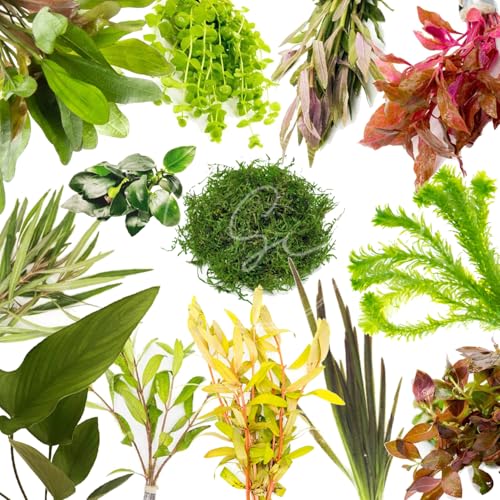
Swimming Creatures™ Live Aquarium Plants 10 Species Bundle

6 Jungle Val, Jungle Vallisneria by Marcus Fish Tanks
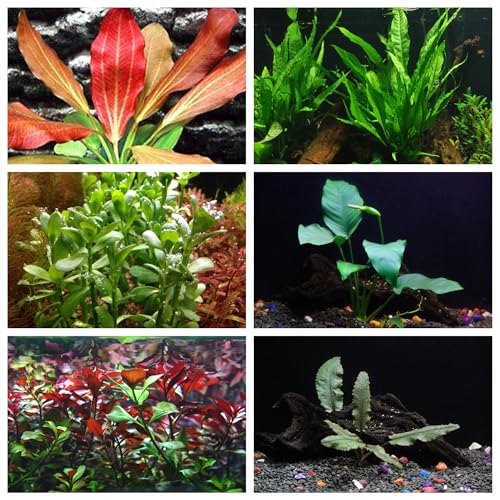
California Bundle 25+ Stems, 6 Species by AquaLeaf Aquatics

Hornwort Ceratophyllum by Marcus Fish Tanks

Amazon Sword, Echinodorus Bleheri by SubstrateSource
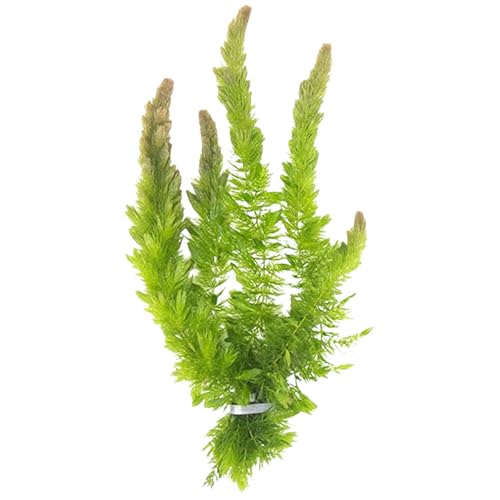
Hornwort Bunch 3 to 5 Stems by CANTON AQUATICS

Java Fern, Microsorum Pteropus

2026 Upgraded Aquarium Plant Holder, Adjustable Height

Java Fern and Anubias Aquarium Plant Bundle
More Details On Our Top Picks
Floating salvinia makes sense in tanks that need softer light and a calmer surface. The small leaves can spread across open water and help break up glare, which suits a betta setup or a simple shrimp tank.
The trade-off is maintenance, since fast-spreading floaters need occasional thinning so they do not crowd the top. Compared with the rooted picks later in this list, this one asks less from the substrate and more from your attention above the waterline.
Strong Points
- Floating growth stays out of the substrate, so you can use it in bare-bottom or lightly planted tanks.
- The leaf cluster can soften bright overhead light for fish that prefer dimmer surface cover.
- It helps fill empty upper space fast, which is useful in newer tanks that still look sparse.
- 12 plants gives you enough material to spread coverage across a medium setup without feeling crowded at the start.
Things To Consider
- Floating plants need regular trimming or scooping once they start stacking at the top.
- Surface skimmers and strong currents can push them around more than rooted plants.
- Very open tanks may need a lid or calmer water movement to keep the growth where you want it.
Feature Snapshot
Who It Suits Best
You fit this pick best when you want simple floating cover for a calm freshwater tank, especially with fish that like shade near the surface.
Where A Sibling Pick Shines
Swimming Creatures™ Live Aquarium Plants 10 Species Bundle suits you better when you want more variety in a single order and plan to build a fuller mixed layout.
A mixed bundle like this gives you more room to shape a tank instead of committing to one plant style. That matters in a first setup, because you can learn which textures, heights, and growth habits suit your layout without building everything around a single species.
The honest read is that variety brings more decision-making too. Compared with Water Spangle, Salvinia Minima by Aquarium Plant Center, this bundle asks you to place multiple species with care, so it suits a hobby setup that has a bit more patience behind it.
What We Like
- Ten species give you visual variety, which helps a new tank look layered instead of uniform.
- Different plant shapes let you test what grows best in your own light and water conditions.
- It can support a fuller aquascape without forcing you to shop several separate listings.
- The mix is useful for tanks that need both foreground texture and taller background presence.
- You can spread the plants across multiple tanks or build one more complex display.
Worth Noting
- More species means more variation in care, trimming, and placement needs.
- A bundle like this can be harder to plan around than a single-species order.
- You may spend extra time figuring out which plants belong where in the tank.
Feature Rundown
Made For
You fit this bundle best when you want a fuller planted look and do not mind spending time sorting each species into the right spot.
Another Choice May Suit
California Bundle – 25+ Stems / 6 Species Live Aquarium Plants Package suits you better when you want a more structured mix with clearer stem-based planting for a medium tank.
Jungle vallisneria is a strong fit for the back of a tank where height matters more than detail. Its long, grass-like leaves can create movement without looking fussy, which makes the tank feel more settled in a way that plain decor often misses.
The seller also notes live-arrival handling with temperature limits, so delivery timing matters more here than with a plastic ornament. Compared with the Swimming Creatures™ bundle, this is a narrower, easier-to-place choice for someone who wants a clear background line instead of a broad mix.
Upsides
- Six live plants give you a simple background group for a new freshwater tank.
- The upright shape helps frame taller aquariums without cluttering the foreground.
- It fits beginner setups well because the plant style is easy to understand at a glance.
- The foliage can add motion, which makes a tank feel less static.
Small Caveats
- Cold-weather shipping limits mean timing matters more than usual.
- The size can vary because these are live plants, so spacing is not perfectly predictable.
- Background plants need patience while they settle and spread.
At A Glance
Right Fit For
You fit this plant best when you want a simple, tall background that helps a tank look finished without needing a complicated layout.
Skip It When
California Bundle – 25+ Stems / 6 Species Live Aquarium Plants Package makes more sense when you want a broader starter mix for a larger setup with more planting zones.
This bundle leans into the classic beginner problem, an empty tank that needs structure fast. Six species in stem form can help you build height, fill side spaces, and give small fish and invertebrates places to rest or hide.
The catch is that live plants and shipping temperatures matter here, especially in winter and summer. Compared with 6 Jungle Val, Jungle Vallisneria by Marcus Fish Tanks, this package is broader and more flexible, but it also asks you to think through several plant types rather than one straightforward background plant.
Best Bits
- Six species create more texture than a single-plant order.
- 25+ stems give you enough material to shape a fuller tank right away.
- The mix works well in tanks 10 gallons and up, where separate zones matter.
- It can provide resting spots and cover for smaller fish and invertebrates.
- Starter layouts feel easier to plan when you already have several species on hand.
Areas To Watch
- Seasonal temperature limits can affect delivery timing.
- Stem bundles need trimming and replanting as they settle.
- The variety is helpful, but it also takes more planning than a single-species pick.
- Some plant vendors count stems differently, so the bundle style may feel less uniform than the number suggests.
Details At A Glance
The Right Fit
You fit this bundle best when you want a broad starter pack for a mid-size freshwater tank and like the idea of building a layered aquascape from one shipment.
Where Another Pick Suits Better
Swimming Creatures™ Live Aquarium Plants 10 Species Bundle suits you better when pure variety matters more than stem count and you want a wider mix to experiment with.
Hornwort is one of those plants that helps a beginner tank look less bare without asking for a lot of planning. The multiple stems can float or sit planted, and that flexibility is handy in a setup that is still changing shape.
Size varies because it is a live plant, and the bundle here is modest rather than massive. Compared with California Bundle – 25+ Stems / 6 Species Live Aquarium Plants Package, it is simpler and easier to place, though you give up the broader mixed layout.
Reasons To Buy
- Hornwort can be used as a floating or planted stem, so setup stays flexible.
- The 5 to 10 inch range gives you a manageable size for many beginner tanks.
- Multiple stems add quick visual fill without needing a complicated planting plan.
- It fits well in community tanks and basic planted layouts.
Room For Improvement
- Live plant size can vary a bit from one shipment to another.
- Stems may need trimming or rearranging as they grow.
- Cold-weather shipping limits still matter, so delivery timing deserves attention.
Core Details
Whose Shelf It Belongs On
You fit this pick best when you want a forgiving stem plant that can start in the background, float, or move around as your layout changes.
Look Elsewhere When
6 Jungle Val, Jungle Vallisneria by Marcus Fish Tanks suits you better when you want a taller, more obvious back-row plant with a stronger vertical look.
An Amazon sword gives a tank that familiar planted look people often want after the first round of decor feels too plain. Medium light and a midground-to-background role make it a strong anchor plant for a freshwater setup with some room to grow.
The bunch includes 4 to 5 plants, so you are working with a modest cluster rather than a huge mass. Compared with Hornwort Ceratophyllum by Marcus Fish Tanks, this pick feels more rooted and structured, which is useful in tanks where you want one clear focal plant.
Highlights
- The sword shape gives a tank height and a more established planted feel.
- Medium light keeps the care side more approachable for a first setup.
- 4 to 5 plants in one bunch can cover a useful section of the tank.
- It works well from midground to background, so placement stays flexible.
Points To Note
- Rooted plants need a proper planting space, so tank layout matters more.
- The bunch size is moderate, not large, so very big tanks may need multiples.
- Leaves can take up visible room as the plant matures.
Quick Facts
Best Suited To
You fit this plant best when you want a rooted focal point for a freshwater tank and have room for a midground or background anchor.
A Better Fit Elsewhere
Java Fern and Anubias Aquarium Plant Bundle suits you better when you want attached plants that skip rooted planting and work neatly on hardscape.
This hornwort bundle feels like a sensible entry point for tanks that do not get a lot of light. It can float or be placed in substrate, so you can use it to soften an empty corner or add a loose green backdrop without locking yourself into one layout.
One thing worth considering is the natural variation in appearance, which comes with live growth and shipping conditions. Compared with Hornwort Ceratophyllum by Marcus Fish Tanks, this version is a little more compact in count, so it suits smaller or simpler setups better.
Best Bits
- Low-light tolerance keeps the care side friendly for beginner aquariums.
- Floating or planted use gives you more layout freedom.
- 3 to 5 stems still provide enough greenery to add movement and cover.
- It works in community tanks, shrimp tanks, and breeding tanks.
Honest Caveats
- Plant shape and size can shift because this is live growth.
- Three to five stems may feel modest in larger aquariums.
- Seasonal packaging choices can affect how the plant arrives.
Feature Card
Who Should Grab It
You fit this pick best when you want a low-light stem plant that can stay flexible in a small or medium freshwater tank.
Reach For A Different Pick When
Water Spangle, Salvinia Minima by Aquarium Plant Center suits you better when you want surface cover rather than a stem plant that can sit lower in the water column.
Java fern earns its place because it fits cleanly onto wood or rock, which helps a beginner tank look planned instead of randomly planted. The 5 to 12 inch size range gives room for growth, while the partial sun note points you toward gentler lighting rather than a bright, demanding setup.
The live-arrival guarantee language is helpful, but the practical part is still the same, gentle handling matters. Compared with Hornwort Bunch 3 to 5 Stems by CANTON AQUATICS, this plant is less about floating volume and more about anchoring a hardscape with a steady green accent.
Positives
- It attaches to hardscape, so you do not need special substrate depth.
- Partial sun makes it a comfortable match for gentler light setups.
- Plant size can reach a useful range for small and mid-size tanks.
- The shape works well for adding detail around driftwood or rocks.
Minor Gripes
- Because it is live, size can vary between shipments.
- Attachment-based placement may take a little planning the first time.
- Smaller tanks can fill up quickly once the leaves spread.
Technical Sheet
Built With In Mind
You fit this plant best when you want a low-light attached option that can dress up driftwood, rocks, or ornaments without demanding a rooted bed.
Where A Sibling Pick Shines
Java Fern and Anubias Aquarium Plant Bundle suits you better when you want two attached plant types in one order and like the texture contrast that comes with it.
This is less about the plant itself and more about keeping planted tank ideas in the right place. An adjustable hook, suction cup, and height control can help you position cuttings or decorative stems neatly, which is useful in aquascaping projects that keep changing week to week.
The transparent build keeps the support visually quiet, although it also means the holder is doing a behind-the-scenes job. Compared with Java Fern, Microsorum Pteropus, this accessory matters most when you already know your plant placement style and want finer control over how it sits in the tank.
Bright Spots
- Adjustable height helps you fine-tune plant position in a living layout.
- The extendable hook adds flexibility for different tank depths.
- Four-pack format lets you support more than one planting point.
- Transparent styling keeps attention on the plants instead of the holder.
Points To Note
- Suction-based accessories need a smooth surface to make sense in daily use.
- This is a support item, so it complements plants rather than replacing them.
- Small hardware can be easy to misplace during cleaning or rearranging.
Core Details
The Right Fit
You fit this accessory best when you are arranging aquascape plants and want a cleaner way to hold stems or supported growth at the height you choose.
Not Your Match When
Water Spangle, Salvinia Minima by Aquarium Plant Center suits you better when your main need is simple floating coverage rather than a mounted support piece.
Java fern and Anubias work well together because both plants favor low to medium light and do not need a special CO2 setup. That keeps the project grounded for a first planted tank, especially when you want decor that looks deliberate without turning upkeep into a chore.
The bundle also gives you some texture contrast, since the leaf shapes are different enough to keep the tank from looking flat. Compared with Java Fern, Microsorum Pteropus, this combo adds Anubias for more variety, and that extra layer can be worth it in a tank that needs a fuller visual balance.
What We Like
- Two hardy plants in one bundle simplify planning for a beginner aquascape.
- Low to medium light suits common home tanks.
- No special CO2 setup keeps the maintenance side straightforward.
- You can attach the plants to driftwood, rocks, or ornaments.
- Different leaf shapes add depth without making the tank look busy.
Trade Offs
- Attachment-based planting asks for a little setup time.
- The bundle is about visual structure more than rapid tank fill.
- Hardscape placement takes some thinking if your tank is still bare.
Feature Rundown
Perfect Match For
You fit this bundle best when you want a low-care planted look and prefer attaching plants to hardscape instead of digging into substrate.
A Better Fit Elsewhere
Amazon Sword, Echinodorus Bleheri by SubstrateSource suits you better when you want a rooted centerpiece that fills midground or background space more directly.
How To Choose The Right Aquarium Plants For Beginners
Start With Your Tank’s Layout
The easiest first choice is about placement, not flash. Floating plants like Water Spangle work above the waterline, rooted plants like Amazon Sword need substrate, and attached plants like Java Fern sit on wood or rock.
That matters because the wrong plant style can turn a simple tank into a maintenance puzzle. A bare-bottom tank, a low-tech community tank, and a hardscape-heavy aquascape each favor a different approach.
Match Light To Plant Style
Low-light setups pair well with hornwort, java fern, and Anubias, while medium-light tanks can support a sword more comfortably. In a room with weaker daylight or a smaller lamp, these easier plants give you more breathing room.
Strong light without enough plant mass often creates extra algae pressure and more trimming. For a first setup, a plant that fits your light is more useful than one that looks impressive in a photo.
Think About Growth Speed And Maintenance
Fast growers like hornwort and salvinia can help a new tank fill in quickly, but they also need regular trimming or thinning. Slower attached plants reduce that workload, though they will not hide equipment as quickly.
That trade-off is the heart of beginner plant shopping. You are choosing between speed, shape, and the amount of weekly attention the tank will ask for.
Use Tank Size And Fish Behavior As Your Guide
Small tanks benefit from compact plants or floaters that do not swallow the whole layout. Larger tanks can handle bundles such as the California set or a mixed bundle with more vertical variation.
Fish behavior matters too, especially for shy species or shrimp that like cover near the surface and along the back wall. Good plant placement can make a tank feel calmer without crowding the swimming room.
What To Weigh Before You Order
Common Shopping Slip Ups
Many first setups go sideways because the plant type does not match the tank structure. A rooted sword in a thin substrate, or a floater in heavy surface flow, creates extra work from day one.
Another common miss is underestimating seasonal shipping limits for live plants. Marcus Fish Tanks and AquaLeaf Aquatics both make the temperature issue plain, and that kind of note deserves real attention.
The Upgrade Payoff
Higher-tier plant bundles usually cost more because they include more species, more stems, or more planning help in one package. That can save time when you want a layered aquascape rather than a single plant accent.
Adjustable accessories also cost more because they solve placement problems that simple plants cannot. The Borlech holder is a good example, since it adds control for aquascaping projects that need neat support points.
Frequently Asked Questions
What aquarium plants are easiest for a first tank?
Hornwort, java fern, Anubias, and salvinia are all straightforward places to start. They fit common beginner setups because they do not demand a complex planting routine.
Do beginner aquarium plants need special lighting?
Many beginner plants do well in low to medium light. Java fern, Anubias, and hornwort are useful choices when your light setup stays modest.
Should you choose floating plants or rooted plants first?
Floating plants are simpler for a bare or changing tank, while rooted plants help build a planted look from the substrate up. Your tank layout decides which style feels easier.
How many plants should a new aquarium start with?
A small tank can start with a few hardy plants, while larger tanks often need bundles or mixed sets to avoid looking empty. The right amount depends on how much open water you want to keep.
Do live aquarium plants take a lot of upkeep?
Some need only light trimming, while fast growers need more regular attention. Hornwort and salvinia usually ask for more tidying than java fern or Anubias.
Closing Thoughts
The best beginner plant is the one that fits your tank’s light, space, and layout without turning weekly care into a chore. Floating coverage, rooted structure, and attached hardscape plants each solve a different problem, so your choice should follow the tank you actually have, not the one in a polished photo. Start with one style that suits your setup, then add variety once the tank feels settled. That slower approach usually makes the whole hobby feel calmer.
