

Choosing aquarium soil is less about chasing a label and more about matching the substrate to your tank’s plants, livestock, and upkeep style. A planted layout in a busy living room asks for different ground than a shrimp tank, a shallow aquascape, or a simple black-sand display. You’ll see both true aqua soils and decorative substrates here, so the real question is how much root support, color contrast, and maintenance tolerance you want.
The list below focuses on ten distinct options that fit different setups and skill levels. Some are aimed at rooted plant growth, some lean toward visual impact, and a few are easier starting points for smaller tanks or mixed-use enclosures.
Quick Look At Our Shortlist

Aqua Natural Galaxy Sand 10lb
LANDEN Aqua Soil Substrate 5L

FANTIAN Black Aquarium Sand 5 lbs

Ultum Nature Systems Controsoil 3 Liter

Seachem Fluorite Black Sand Substrate 7.7lb

YISZM Aquarium Sand 2lbs Black Fish Tank Sand

Hewnda 2 LB Freshwater Planted Aquarium Substrate

Aqua Natural Bio-Substrate Delta Sand 5lb

ADA Aqua Soil Amazonia Ver 2 9L

Aqua Natural Prairie Sand 10lb
More Details On Our Top Picks
Aqua Natural Galaxy Sand leans hard into visual contrast, with fine black grains that help plants and hardscape stand out. In a display tank, that darker floor can make stems, stones, and driftwood feel more intentional without adding clutter.
You may find it especially appealing in a living-room aquarium where you want the tank to read as part of the decor. The trade-off is simple, black sand shows debris faster than lighter substrates, so routine surface cleaning matters more here than with a busy blended scape.
Strong Points
- Fine black grain gives a crisp backdrop for plants and décor.
- The 10 lb bag suits small to mid-size layouts better than tiny accent-only packs.
- Works well in aquariums, vivariums, and terrariums, so the setup can stay versatile.
- Dark color can make fish and hardscape details easier to notice at a glance.
Things To Consider
- Dark sand tends to show leftover food and plant bits sooner.
- It is more about appearance than planted-root nutrition.
- In pale décor rooms, the contrast can feel strong rather than subtle.
Feature Snapshot
Who It Suits Best
You should look at this first for a display-focused tank where visual contrast matters as much as substrate function.
A Better Fit Elsewhere
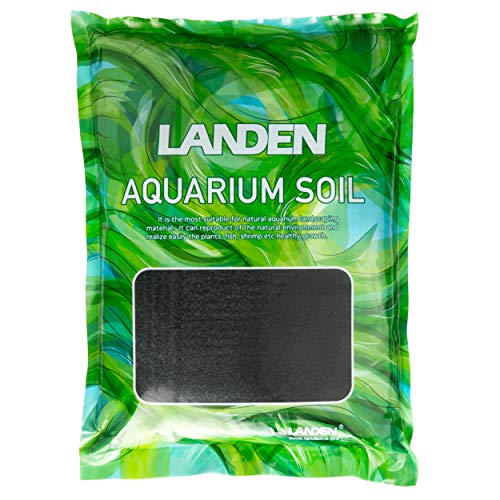
LANDEN Aqua Soil Substrate 5L suits planted freshwater tanks better, especially for aquarists who want a more root-focused base than decorative sand.
LANDEN’s substrate sits closer to a true planted-aquarium soil than the decorative sands above it. The clay-and-gravel blend is meant to stay porous, which matters because open pores give roots more room to anchor and circulate around the base of the plants.
That makes it a strong match for a freshwater tank built around stem plants, carpeting plants, or shrimp-friendly aquascapes. The honest read is that a planted substrate asks more patience during setup, yet it pays back with a more serious foundation than plain black sand.
Highlights
- Porous structure supports rooted plants better than decorative sand.
- The black finish gives a clean look under greenery and stone.
- 5 L volume suits compact planted tanks and measured aquascape builds.
- Freshwater focus makes it a more direct fit for planted communities.
- The clay-gravel feel helps the layout stay planted and organized.
Worth Noting
- Plant-focused soil is less about instant visual flair and more about function.
- Black substrate can show light debris after feeding or trimming.
- Smaller volume means larger tanks will need more than one package.
Core Details
Made For
Planted freshwater setups benefit most, especially tanks where root growth matters more than a purely decorative substrate.
A Better Fit Elsewhere
Aqua Natural Galaxy Sand 10lb suits display-first tanks better, especially where you want a dramatic black floor without leaning into planted-soil behavior.
FANTIAN’s black sand sits in the middle of the road in a useful way, because the grain is fine enough for a neat aquarium floor without looking overly coarse. The 0.4 to 0.8 mm size is small, so the bed can read smooth and intentional in a compact tank.
The low-fine composition matters in everyday ownership, since loose dust tends to drift around during filling and maintenance. You may appreciate that in a shrimp tank or a tidy desk setup, though the smaller bag size means it is better for accents and smaller enclosures than broad, deep beds.
What We Like
- Fine 0.4 to 0.8 mm grain creates a smooth substrate surface.
- Dense composition helps limit material floating around after setup.
- Black color works well for contrast in compact aquariums.
- Multi-use positioning gives you flexibility for terrariums and crafts too.
Room For Improvement
- Five pounds is modest, so larger tanks will need more material.
- Fine sand can still collect detritus in busy feeding zones.
- Decorative sand offers little help for root nutrition on its own.
At A Glance
Who Will Love This
Nano-tank hobbyists and shrimp keepers will get the most from this, especially where a neat black surface is the goal.
Look Elsewhere When
Ultum Nature Systems Controsoil fits better for planted aquascapes that need a more specialized root bed than this decorative sand.
Ultum Nature Systems Controsoil is aimed squarely at freshwater planted tanks, not casual decorative bedding. The 6.8 pH note and low-ammonia positioning point toward a substrate built with plant-heavy setups in mind, and the volcanic ash base gives it a more technical profile than the sand picks above.
That kind of substrate makes sense in a tank where you care about rooted growth, layout stability, and a natural black look. You may find the smaller 3 liter format handy for refining a sectioned aquascape, though a larger display will require planning around coverage.
Best Bits
- Freshwater planted focus makes it more specialized than decorative sand.
- 6.8 pH guidance helps set expectations for planted layouts.
- Low-ammonia framing is useful during initial tank planning.
- Volcanic ash base adds depth to the substrate profile.
- Black color keeps planted scapes looking clean and cohesive.
Softer Spots
- The 3 liter size is better for compact projects than large tanks.
- Specialized planted-soil formats usually call for more careful setup.
- It is less versatile than plain sand for non-planted displays.
Details At A Glance
Best Suited To
Experienced planted-tank hobbyists and careful beginners with a clear layout plan will get the most from this substrate.
Where A Sibling Pick Shines
LANDEN Aqua Soil Substrate 5L suits shoppers who want a similar planted-tank direction with a more measured clay-gravel style and a larger working volume.
Seachem Fluorite Black Sand sits in a comfortable middle ground for planted tanks, with a weight that gives you more room than a tiny accent bag. That matters in real setups, because root-supporting substrate often needs enough depth to look finished rather than patchy.
The black tone also keeps the layout visually calm, which helps in tanks where you want the plants to carry the scene. One thing worth considering is that this kind of planted substrate usually makes the most sense under a maintenance routine that keeps the bed clean and lightly reworked over time.
Reasons To Buy
- Planted-tank orientation makes it useful for root-heavy layouts.
- 7.7 lb gives you a more substantial working amount than mini packs.
- Black color pairs neatly with green plants and hardscape.
- It can help a scape look more continuous across the tank floor.
Minor Gripes
- It is more plant-focused than decorative sand, so the role is narrower.
- Heavier substrate choices can take more planning during setup.
- Dark beds still make debris visible, especially near feeding areas.
Technical Sheet
Whose Shelf It Belongs On
Planted-tank keepers who want a straightforward black substrate with more depth than a tiny bag should keep this on their shortlist.
Reach For A Different Pick When
Aqua Natural Bio-Substrate Delta Sand 5lb suits hobbyists who want a seeded sand format instead of a more traditional planted substrate.
YISZM keeps things simple with a small 2 lb format that makes sense for accents, tiny tanks, and decor work. In a desktop aquarium or a narrow vivarium section, that smaller bag can be easier to manage than a bulky bulk fill.
The black color helps create a crisp boundary around plants, shells, or stones, though you’ll notice it is a styling move first and a substrate-performance move second. The practical upside is storage is easy, and the smaller bag is less awkward to portion out during a partial refresh.
Positives
- Small size keeps it manageable for nano layouts.
- Black tone delivers strong contrast in compact enclosures.
- Useful for aquarium, terrarium, and craft-style projects.
- Easy to store and pour during quick touch-ups.
Small Caveats
- Two pounds is not enough for most full-size tanks.
- Decorative sand does not replace a plant-focused substrate.
- Fine sand surfaces still need routine cleaning in active tanks.
Quick Facts
Right Fit For
Nano-tank keepers and hobbyists doing small decor accents will find this size easy to work with.
Swap It Out When
FANTIAN Black Aquarium Sand 5 lbs suits you better once the project needs more material without jumping to a true planted-soil format.
Hewnda is aimed at freshwater planted layouts and keeps the formula plain, which can be helpful for a first planted tank. The source note says the black soil includes a small amount of impurities and can be cleaned off with gauze after water is added, so setup takes a little more hands-on care than a polished sand bed.
That trade-off can make sense in a learning tank or a simple planted display where you care more about getting roots started than having a pristine finish on day one. For small aquariums, the 2 lb size stays approachable, though large beds will need a much larger amount of material.
Upsides
- Freshwater planted focus suits beginner planted layouts.
- Small 2 lb package is easy to handle.
- Black soil gives the tank a grounded, natural look.
- Useful for start-up builds where you want a modest substrate amount.
Areas To Watch
- Source notes mention impurities, so setup takes a little extra care.
- Gauze cleanup after filling adds one more step to the process.
- Small quantity limits it to compact aquariums or specific sections.
Feature Rundown
Built With In Mind
New planted-tank hobbyists and anyone building a small freshwater layout will get the most from this substrate.
A Better Fit Elsewhere
ADA Aqua Soil Amazonia Ver 2 9L suits more ambitious aquascapes where you want a premium planted base with broader layout capacity.
Aqua Natural Delta Sand is a different kind of sand pick, because the listing says it comes seeded with startup bio-active nitrifying bacteria. Nitrifying bacteria are the organisms that help cycle waste in a new tank, so this kind of substrate is attractive to people who want a more straightforward start rather than a bare sand bed.
The wet format can make setup feel less dusty, but it also means the bag is more about immediate use than long-term storage on a shelf. For a first planted or fish-only aquarium, that convenience can be appealing, though the biological start-up angle still depends on good husbandry and patience after fill.
What We Like
- Seeded sand format adds convenience during new-tank setup.
- Wet packaging reduces the dry, dusty feel common with loose substrates.
- Black tone keeps the tank visually grounded.
- 5 lb size suits small to medium accent work.
Honest Caveats
- Wet substrate is less convenient to store long term.
- The biological benefit still depends on how the tank is managed.
- Five pounds may be limited for broader tank coverage.
Core Details
The Right Fit
You should focus on this pick for newer setups where a seeded sand format feels more convenient than starting from plain substrate.
Not Your Match When
Seachem Fluorite Black Sand Substrate 7.7lb is the more direct choice for hobbyists who want a larger planted-substrate format without the wet-sand approach.
ADA Aqua Soil Amazonia Ver 2 is the most specialized planted-aquarium option in this group. The listing points to rare Japanese plant-based black soil, a separate supplement bag, and a layout-friendly granule shape, so this is the kind of substrate you choose when the tank itself is the project.
The Amazon concentrate supplement is meant to add organic components and essential elements in a way that supports different plant arrangements, while the substrate also helps buffer water toward lower pH and hardness. In plain terms, that can make the base work harder for demanding aquatic plants, though the higher level of intent also means you should plan the layout carefully before filling the tank.
Plus Points
- Plant-based black soil gives the tank a more natural planted feel.
- Separate supplement bag adds a more deliberate setup path.
- Helps buffer water toward lower pH and hardness.
- Granule shape and density are made for root development.
- Natural irregular profile supports a more organic-looking aquascape.
Points To Note
- This is a more technical planted-soil choice than the sand options.
- Premium substrate works best with a clear plant plan.
- The supplement step adds a little more setup complexity.
Spec Overview
Perfect Match For
Committed planted-tank hobbyists and layout-focused aquascapers will get the most from this substrate.
Another Choice May Suit
Ultum Nature Systems Controsoil 3 Liter suits smaller planted projects where you want a similarly focused substrate in a more compact package.
Aqua Natural Prairie Sand brings a warmer, more natural-toned look than the darker Galaxy Sand above it. That softer color can work well in aquariums where you want the floor to feel calm and familiar rather than dramatic, especially around driftwood, stone, and planted islands.
It’s a sensible fit for everyday aquascaping because the 10 lb bag gives you enough substance for a real layout instead of just a touch-up. The trade-off is that lighter sand tones won’t hide detritus as well as darker options, so ongoing cleanup still matters in active tanks.
Best Bits
- Natural prairie tone softens the overall tank look.
- 10 lb bag works well for fuller aquascape coverage.
- Fits aquariums, vivariums, and terrariums, which broadens its use.
- Color blends nicely with wood, stone, and green plants.
Areas To Watch
- Lighter sand can reveal waste and leftover food more easily.
- It is mainly a visual substrate, not a plant-nutrition layer.
- Full tank coverage may still require more than one bag in larger setups.
Feature Card
The Right Fit
Shoppers who want a natural-looking sand bed for an everyday aquarium will find this the easiest of the two Aqua Natural sands to live with.
Swap It Out When
Aqua Natural Galaxy Sand 10lb suits you better when the goal is a darker, more dramatic backdrop rather than a softer prairie look.
How To Choose The Right Aquarium Soils
Match The Substrate To The Tank’s Job
Start with the tank’s purpose. A decorative sand like Aqua Natural Galaxy Sand or Prairie Sand gives you visual control, while planted options such as LANDEN, Ultum Nature Systems Controsoil, Seachem Fluorite Black Sand, and ADA Amazonia are built around roots and layout depth.
That difference matters because a planted tank asks the base to do real work, not just look clean. For a shrimp tank, a dark sand bed can be enough; for stem plants and carpeting plants, a true aqua soil usually makes more sense.
Think About Grain, Depth, And Maintenance
Fine sand creates a smooth look, but it can also collect debris in low-flow corners. Larger or more porous substrates are easier to shape into mounds and terraces, though they demand a steadier hand during filling and rescape work.
Depth matters too, since shallow coverage can leave roots exposed and make the layout feel thin. In a long tank or a busy community setup, a substrate that stays put and is easy to siphon around will save you frustration later.
Read The Bag Like A Setup Plan
Volume tells you more than appearance does. A 2 lb or 3 liter bag works for accents, nano tanks, and small planted sections, while 5 lb to 10 lb options suit fuller bottoms and more complete layouts.
Also look for clues about special behavior, such as a wet format, a seeded start, or a note about pH and hardness. Those details shape how the tank settles in the first week, and they help you avoid choosing a product that sounds right but works differently from your actual setup.
What To Weigh Before You Choose
Hidden Buying Traps
Many first-time setups go wrong because the substrate looks right in the photo but does the wrong job in the tank. A decorative black sand will not do the same work as a planted aqua soil, and a small bag can disappear quickly once you add slope or hardscape.
Another common miss is ignoring cleanup reality. Dark sand shows waste, wet substrate changes handling, and finer grains need more care during fills, so the most polished-looking option is not always the easiest one to keep tidy.
The Upgrade Payoff
Higher-tier aquarium soils usually cost more because they do more than fill space. Plant-oriented soils often bring better granule shape, more deliberate pore structure, and water effects that help rooted aquascapes settle in a more controlled way.
That upgrade is worth it for planted tanks that stay planted, especially layouts with demanding species or careful composition. For a simple display tank, a plain sand can be enough, and your money may go further in lighting, filtration, or hardscape instead.
Frequently Asked Questions
What Is The Difference Between Aquarium Soil And Aquarium Sand?
Aquarium soil is usually aimed at plant roots and layout support. Aquarium sand is more about appearance, coverage, and a smooth tank floor.
Do Dark Substrates Make A Tank Easier To Maintain?
Dark substrates can make plants and fish stand out, but they also show debris clearly. That means cleanup still matters, especially in feeding zones.
How Much Substrate Do You Need For A Small Tank?
Small tanks often work with 2 lb to 5 lb bags, depending on depth and scape shape. Sloped layouts and planted beds usually need more than a flat decorative layer.
Is Seeded Sand A Good Starting Point?
Seeded sand can be convenient for a new setup because it adds a bio-active start. It still needs careful tank care after filling, so it is helpful rather than magical.
Which Option Fits A Beginner Best?
A straightforward sand like Aqua Natural Prairie Sand or Galaxy Sand is easier to understand at first glance. A planted soil makes sense once you already know the tank will be built around live plants.
Closing Thoughts
The best aquarium soil for your setup is the one that matches your tank’s real job, not just its color. Decorative sands suit display-focused layouts, while plant soils make more sense for rooted growth and more deliberate aquascapes. Size matters just as much, because a small bag can be perfect for a nano tank and frustrating in a larger one. Choose for the way you keep the tank, and the rest gets much easier.
