

Aquarium substrates do more than sit under the waterline. They shape how your tank looks, how plants settle, and how easy cleanup feels once the routine starts to settle in.
You’ll find options here for planted aquariums, shrimp setups, darker display tanks, and small decorative layouts. Some are simple gravel choices, while others are finer soils built for heavier aquascaping demands.
Quick Look At The Shortlist

FANTIAN 5 lbs Aquarium Gravel, 1/4 Inch Pea Gravel

Aqua Natural Galaxy Sand 20lb
Aqua Natural Galaxy Sand 10lb
Aqua Soil Substrate 5L, Black

Spectrastone Special Turquoise Aquarium Gravel 5-lb.

Ultum Nature Systems Controsoil 3 Liter

Aqua Natural Midnight Pearl Gravel 10lb
GloFish Aquarium Sand 5 Pounds, Black

Seachem Fluorite Black Sand 7.7lb

YISZM Aquarium Sand 2 lb Black
More Details On Our Top Picks
FANTIAN keeps things straightforward with a 1/4 inch average pebble size, which sits in a nice middle ground for small aquariums and decorative layouts. The bag weighs 5 pounds, so it suits compact tanks, vase accents, or a thin base layer rather than a deep planted bed.
Compared with the finer sands in this roundup, this gravel gives you a little more texture and less of that flat, uniform look. One thing worth noting, machine screening can leave some larger pieces in the mix, so you may want to sort quickly before use in tighter setups.
What We Like
- The 1/4 inch average size works well in smaller spaces.
- The natural stone look blends into planted or decorative layouts.
- It can pull double duty in tanks, planters, and accent projects.
- The five-pound bag keeps the scale manageable for modest builds.
Small Caveats
- Some pieces may come larger than the average size suggests.
- A quick rinse or sort can help before adding it to a tank.
- It feels better suited to light coverage than deep substrate beds.
Feature Snapshot
Who It Suits Best
It suits you best for a small freshwater setup, a decorative bowl, or a low-key aquascape where a natural pebble look matters more than fine planting support.
A Better Fit Elsewhere
Aqua Natural Galaxy Sand 20lb suits planted display tanks better, because the finer texture gives you a smoother base and more visual depth.
This fine black sand leans hard into visual drama, especially in a tank with bright plants, pale hardscape, or strong lighting. It catches the light in a subtle shimmer, so the layout can feel deeper without asking you to stack on extra décor.
The 20-pound bag makes more sense for larger tanks or anyone setting up a display with real coverage area. The trade-off is simple, this kind of finish tends to show cleanup habits more clearly, so a tidy maintenance routine pays off.
Bright Spots
- The dark, sparkling finish gives a tank a polished look.
- The larger bag works well for broader aquascapes.
- It pairs neatly with bright greenery and light-colored stones.
- It also fits terrariums and vivariums, not just aquariums.
Worth Noting
- Dark sand can show debris more quickly than lighter substrates.
- The dramatic look may feel busy in very plain layouts.
- A larger bag takes more storage space between setups.
Core Details
Who Will Love This
It suits you best for a display tank where the substrate is part of the design, not just a foundation under the décor.
Where A Sibling Pick Shines
Aqua Natural Galaxy Sand 10lb is a better fit for smaller builds or anyone who wants the same dark look in a more compact bag.
You get the same dark, light-catching style as the larger Aqua Natural bag, but in a more manageable 10-pound format. That makes it easier to plan for small and medium aquariums without committing to a big leftover pile.
The black tone helps plants, driftwood, and ornament details show up cleanly against the base. For most home tanks, that balance feels easier to live with than a heavily colored gravel, though the fine surface still calls for a little care during water changes.
Upsides
- The 10-pound format is easier to handle and store.
- The dark color builds strong contrast for aquascapes.
- It works across aquariums, vivariums, and terrariums.
- The fine texture gives a smooth visual finish.
Areas To Watch
- The fine grain can move around during heavy water flow.
- Dark substrate may make uneaten material stand out more.
At A Glance
Built With In Mind
It fits you well for a home aquascape where you want the same visual effect as a larger black substrate, just in a smaller batch.
Another Choice May Suit
FANTIAN 5 lbs Aquarium Gravel, 1/4 Inch Pea Gravel makes more sense for compact decorative work that benefits from a coarser, pebble-like texture.
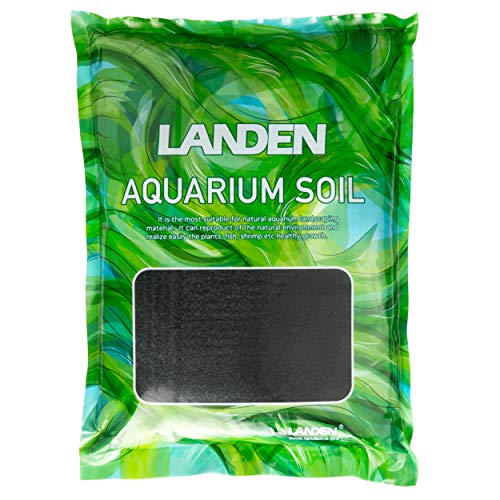
LANDEN takes a more planted-tank-focused route than the sand and gravel picks above. The substrate is porous, meaning it has tiny open spaces that can help roots settle more naturally, and the black color keeps the base visually quiet behind stems and moss.
That profile makes sense for a freshwater layout with live plants or shrimp, where the foundation matters as much as the hardscape. The trade-off is that this kind of soil usually asks for a little more planning at setup than plain gravel, so casual decorative tanks may not need this much structure.
Reasons To Buy
- The porous build gives rooted plants a more structured base.
- The dark color keeps the look clean and understated.
- It fits planted aquariums and shrimp setups especially well.
- The clay-gravel style feels more purpose-built than plain decor gravel.
Softer Spots
- It asks for a more deliberate setup than simple gravel.
- Purely decorative tanks may not need this level of planting focus.
- Handling a soil-style substrate usually takes a little more care during fill-in.
Details At A Glance
Perfect Match For
It suits you best for a freshwater planted tank or shrimp layout where the substrate is part of the living structure.
Skip It When
Spectrastone Special Turquoise Aquarium Gravel is the easier visual choice for a simple decorative tank that leans more playful than planted.
Turquoise gravel changes the mood of a freshwater tank fast, so this pick makes sense for someone who wants the substrate to do some visual work. The five-pound bag keeps the scope modest, which is helpful for small tanks or accent zones rather than full floor coverage.
Compared with the black sands in this roundup, this one brings color first and subtlety second. The honest read is that bold gravel can look fantastic in the right setup, but it also sets a strong tone, so matching décor matters more here than with neutral substrate.
Best Bits
- The turquoise color gives a tank a strong decorative identity.
- The five-pound size works well for compact freshwater builds.
- It can add energy to a plain hardscape quickly.
Points To Note
- Bold color can limit what décor looks natural beside it.
- The bag size suits smaller layouts more than large tanks.
- It’s a style-first choice, not the quietest backdrop.
Core Details
Whose Shelf It Belongs On
It suits you best for a freshwater tank where you want a bold accent and a compact amount of material.
A Better Fit Elsewhere
Aqua Natural Midnight Pearl Gravel 10lb gives you a darker, more flexible look for planted layouts that need a calmer backdrop.
Ultum Nature Systems Controsoil leans into planted freshwater tanks with a more technical soil formula than the basic gravels here. The source details call out a 6.8 pH value, low ammonia, and volcanic ash, which points to a substrate built for a more controlled aquarium foundation.
The fine black texture also gives you a clean, modern look, and the 3 liter size suits smaller planted layouts or staged aquascaping projects. Compare it with LANDEN’s broader planted-soil approach, and this one feels a touch more specialized for focused freshwater builds.
Highlights
- The 6.8 pH detail matters in a planted freshwater setup.
- Low-ammonia positioning makes it easier to plan around new tank setup.
- Volcanic ash content gives it a distinct aquasoil character.
- The fine black look suits modern aquascapes well.
Honest Caveats
- The 3 liter format is better for smaller builds.
- This is a more specialized substrate than plain gravel.
- Plant-focused layouts generally ask for more setup attention.
Quick Facts
Right Fit For
It suits you best for a planted freshwater tank, shrimp layout, or aquascape that needs a more purpose-built soil base.
Where Another Pick Suits Better
Seachem Fluorite Black Sand Substrate is the more natural fit for a heavier planted layout that needs a mineral-style base and a larger bag.
This one sits neatly between coarse gravel and very fine sand, which makes it easy to place in mixed aquascapes. The 2 to 4 mm grain range gives you a cleaner, more controlled look than chunky stones, while still feeling less delicate than powder-fine sand.
Aqua Natural also says this gravel is triple washed and kiln dried, so it arrives with a cleaner, more finished presentation than rougher bulk stone. That combination suits you well for aquariums, vivariums, or terrariums where the substrate needs to look tidy without becoming the star of the layout.
Standout Traits
- The 2 to 4 mm range lands in a very usable middle zone.
- The darker pearl look adds depth without loud color.
- Triple washing and kiln drying point to a cleaner finish.
- It fits several setup types, not just fish tanks.
Minor Gripes
- The finish is subtle, so it won’t drive the whole design.
- Mid-size grains may not suit ultra-fine planting styles.
Feature Rundown
Who Should Grab It
It suits you best for a mixed-purpose aquascape where you want clean lines and a moderate grain size.
Look Elsewhere When
GloFish Aquarium Sand 5 Pounds makes more sense for a color-themed tank that leans on contrast and glow-friendly décor.
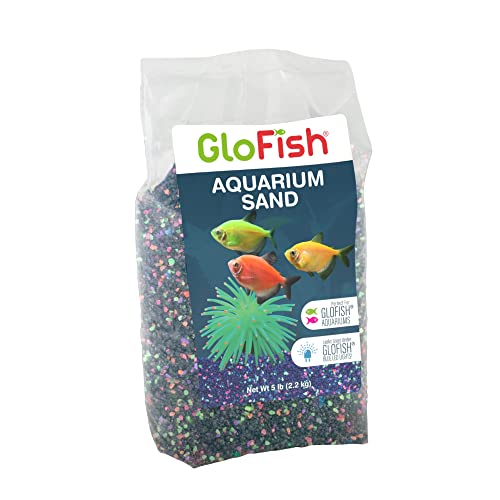
GloFish Aquarium Sand is aimed at tanks where the substrate helps tie the whole look together. The black base with highlights gives you a darker foundation that still carries some visual lift, which works nicely in color-driven setups.
It’s a 5-pound bag, so it fits smaller or moderately sized tanks more comfortably than larger display systems. Compare it with Aqua Natural Midnight Pearl Gravel, and this one feels more theme-specific, which is useful when décor already has a strong color story.
Positives
- The black finish keeps the base visually grounded.
- Highlights add a little movement to the surface.
- The compact bag works for smaller tank projects.
- It pairs cleanly with themed décor.
Trade Offs
- The strong styling narrows the number of looks it suits.
- Larger tanks may need more material than this bag provides.
- Themed substrate can limit how often you change décor direction.
Spec Overview
The Right Fit
It suits you best for a GloFish-themed aquarium or any small tank that needs a darker, coordinated base.
Swap It Out When
FANTIAN 5 lbs Aquarium Gravel, 1/4 Inch Pea Gravel is the calmer choice for a natural layout that needs less visual branding.
Seachem Fluorite Black Sand feels built for planted tanks that need a darker, more mineral-looking base. At 7.7 pounds, it lands in the middle of the bag-size range, which makes it easier to fit into a serious home aquascape without overcommitting to a very large purchase.
Compared with LANDEN’s porous clay-gravel style, this option reads more like a classic planted substrate with a polished black finish. That makes it a sensible match for hobbyists who want the roots to settle into a more traditional sand-like bed while keeping the layout visually anchored.
Plus Points
- The black finish gives planted layouts a clean foundation.
- The 7.7-pound size sits neatly between compact and large bags.
- It feels well suited to a rooted aquarium style.
Things To Consider
- The bag size may still be modest for very large tanks.
- Dark substrate can make maintenance debris easier to spot.
- It favors planted aquariums more than casual decorative setups.
Technical Sheet
Made For
It suits you best for a planted freshwater tank where a darker mineral look feels more fitting than decorative color.
Where Shoppers Go Wrong
Aqua Soil Substrate 5L, Black is the stronger match for shrimp-focused setups that need a more structured porous base.
YISZM keeps things tight and simple with a 2-pound black sand format, which makes sense for small tanks, accent bins, or craft-style aquarium projects. The dark color gives a neat backdrop without asking you to manage a large volume of substrate.
That smaller bag also makes storage easier between setups, especially in apartments or hobby spaces where every shelf earns its keep. Compared with the fuller bags in this roundup, this one is a practical starting point for tiny layouts, though it won’t stretch far in larger aquariums.
Best Bits
- The 2-pound size is easy to handle.
- The black color gives small layouts a tidy base.
- It works for aquariums, terrariums, and craft use.
Room For Improvement
- The small bag limits how far it goes in bigger tanks.
- You may need more than one bag for broader coverage.
- It fits compact projects more naturally than full displays.
Feature Card
Built With In Mind
It suits you best for a mini aquarium, small terrarium, or simple craft project that needs a little dark substrate.
Another Choice May Suit
FANTIAN 5 lbs Aquarium Gravel, 1/4 Inch Pea Gravel is a better fit for small tanks that need more body and a natural pebble texture.
How To Choose The Right Aquarium Substrates
Grain Size And Tank Style
Grain size changes both the look and the upkeep. Fine sand, like Aqua Natural Galaxy Sand or Seachem Fluorite Black Sand, gives you a smoother finish, while gravel such as FANTIAN’s 1/4 inch pebble mix brings more texture and less drift during rearranging.
The right choice depends on what lives above it. Planted tanks usually benefit from finer, more settled bases, while decorative freshwater setups often feel easier to maintain with medium gravel that stays put during routine cleaning.
Material Type And Plant Support
Soil-style substrates do more than decorate the bottom of the tank. LANDEN Aqua Soil Substrate and Ultum Nature Systems Controsoil are built around planted freshwater layouts, where roots need a base that feels more intentional than plain stone.
That extra structure comes with a trade-off, because soil-style substrates usually ask for more setup care and a clearer plan before filling the tank. You gain better plant support and a more controlled look, but you also give up some of the casual simplicity that gravel brings.
Color And Visual Balance
Color changes the whole mood of a tank. Black substrates, including Aqua Natural Midnight Pearl Gravel and GloFish Aquarium Sand, make plants, fish, and hardscape details stand out more sharply, while turquoise gravel leans into a bolder decorative style.
A darker base often feels easier to blend into a planted aquascape, especially in a living room or office where the aquarium shares space with furniture. Brighter gravel can still work well, but it asks for matching décor so the final look feels intentional rather than scattered.
Bag Size And Real-World Coverage
Bag weight matters more than many first-time setups expect. A 2-pound bag like YISZM works for a tiny tank or accent zone, while 20 pounds from Aqua Natural Galaxy Sand suits a wider base that needs full coverage.
Storage and leftovers matter too. Smaller bags are easier to stash between projects, but they can leave you short during setup, while larger bags reduce the risk of running out midway through a tank build.
A Quick Reality Check
Common Shopping Slip Ups
A lot of people focus on color first and forget scale. A bold gravel like Spectrastone Special Turquoise Aquarium Gravel can look great, but it only works cleanly when the rest of the tank supports that style.
Another common miss is choosing a substrate that looks right but fits the wrong kind of tank. Fine sands, aquasoils, and coarse pebbles each solve a different layout problem, so matching the substrate to the planting plan saves a lot of rework later.
The Upgrade Payoff
Higher-tier substrates usually cost more because they bring tighter grading, cleaner processing, or more specialized chemistry. Aqua Natural Midnight Pearl Gravel stands out for the triple-washed, kiln-dried approach, while Ultum Nature Systems Controsoil adds a more purpose-built freshwater soil profile.
That extra spend makes the most sense in planted aquariums, shrimp setups, and display tanks where the bottom layer affects the whole composition. For a simple decor tank, plain gravel often does the job without asking for a more advanced substrate.
Frequently Asked Questions
What kind of substrate works best for planted aquariums?
Soil-style options such as LANDEN Aqua Soil Substrate or Ultum Nature Systems Controsoil are the strongest fit for planted freshwater layouts. They give roots a more suitable base than decorative gravel.
Is black substrate hard to maintain?
Black substrate can make debris easier to spot, especially in bright lighting. That also makes spot cleaning more straightforward in many home aquariums.
How much substrate do you need for a small tank?
A 2-pound or 5-pound bag usually suits a small tank, accent zone, or compact layout better than a large display. YISZM Aquarium Sand 2 lb and FANTIAN 5 lbs Aquarium Gravel are both sized with smaller projects in mind.
Can aquarium substrate be used in terrariums?
Several picks here can cross over into terrariums and vivariums, including Aqua Natural Galaxy Sand and YISZM Aquarium Sand. The fit still depends on drainage, texture, and the look you want.
Should you choose gravel or sand?
Gravel feels easier for simple decorative tanks and gives more texture. Sand works better when you want a smoother look or a planted layout with a cleaner visual base.
Closing Thoughts
You can make a tank feel calm, dramatic, or highly planted just by choosing the right substrate. The strongest choice for you depends on whether the bottom layer is meant to support roots, frame décor, or simply keep the layout tidy. Dark sand brings a polished look, gravel offers easier texture control, and aquasoil earns its place in more serious planted builds. Match the substrate to the tank’s real job, and the rest of the setup becomes a lot easier to shape.
