

Stocking an aquarium gets a lot easier once temperature stops swinging around. The right chiller helps you keep axolotls, coral, shrimp, or tropical fish in a steadier range, whether your setup sits in a warm apartment, a garage, or a busy home office.
This roundup focuses on compact compressor units and fan-style coolers that fit different tank sizes and different budgets of space and noise. You’ll see where each pick makes sense, where it asks for a compromise, and which kind of setup it suits best.
Quick Look At The Shortlist

BAOSHISHAN 1/10 HP Aquarium Chiller 42 Gal Fish Tank Water Chiller
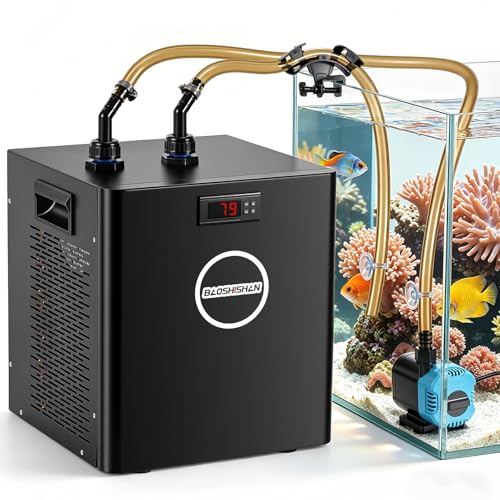
BAOSHISHAN 1/3 HP Aquarium Chiller Up to 79 Gal
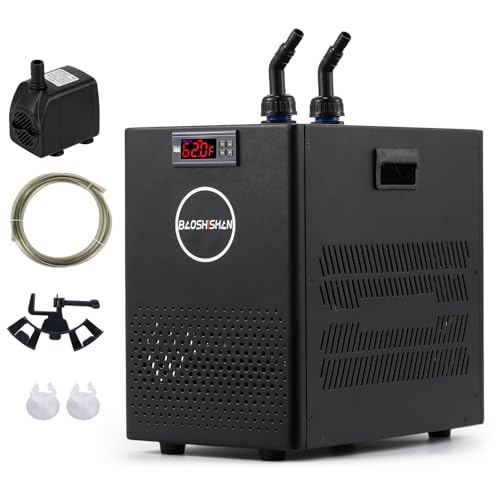
BAOSHISHAN 1/13 HP Aquarium Chiller 26 Gallon Fish Tank Water Chiller

hygger Aquarium Chillers Fan

AQUASMITH Aquarium Chiller Fan

PAIZOO Aquarium Chiller Fan

Active Aqua Hydroponic Water Chiller 0.25 HP
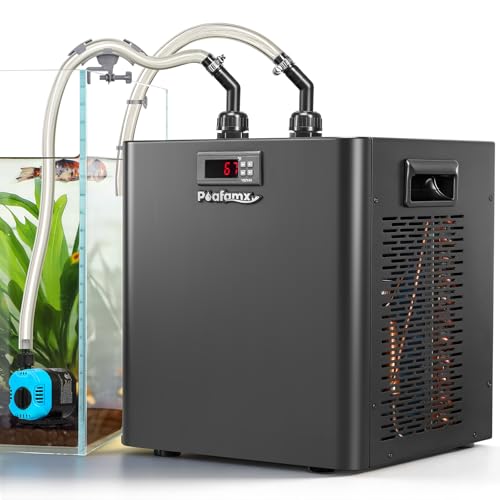
Poafamx 1/3 HP Aquarium Chiller

Active Aqua 0.5 HP Water Chiller with Boost

Poafamx 16gal Aquarium Chiller Quiet Small Water Chiller Electronic Cooling
More Details On Our Top Picks
For a smaller reef, axolotl tank, or mixed aquarium that needs compressor cooling without taking over the room, this BAOSHISHAN model lands in a useful middle ground. The listed 1/10 HP output and 42-gallon coverage make it easier to place than the larger units later in this roundup, and the included pump and hose reduce the number of separate parts you need to source.
The honest trade-off is scale, not ambition. A setup with more water volume or a hot sunroom will push this pick harder than the 1/3 HP options, but for a compact indoor tank it keeps the hardware manageable and the sound level less intrusive than many bigger chillers.
Strong Points
- Compressor-based cooling suits tanks that need more than a simple fan.
- The included pump and hose simplify first-time setup.
- 42-gallon coverage fits many home aquariums without excess bulk.
- Freshwater and saltwater compatibility broadens where you can use it.
Things To Consider
- That 1/10 HP class can feel modest for warmer rooms or heavier stocking.
- Like most compressor units, it asks for space, ventilation, and regular dust control around the intake area.
- The benefit is comfort and stability, but the footprint is bigger than the fan coolers in this list.
Feature Snapshot
Who It Suits Best
You get the most from this one in a compact fish room, a bedroom tank, or a hobby setup that needs real cooling without jumping to a much larger machine.
A Better Fit Elsewhere
BAOSHISHAN 1/3 HP Aquarium Chiller Up to 79 Gal suits you better once your tank runs larger, your room gets warmer, or you want more cooling headroom.
This is the step-up pick for tanks that need more muscle, especially in rooms that warm up fast or setups that can’t afford temperature drift. The 1/3 HP rating, the stated 8 to 15 degree drop, and the 79-gallon reach give it a larger working envelope than the 1/10 HP BAOSHISHAN model above.
You may find it especially sensible for coral systems, axolotl enclosures, or hydroponic reservoirs that run hot for long stretches. The trade-off is the usual one with stronger compressor gear, namely size, power appetite, and a setup that rewards careful placement more than a tiny fan cooler would.
What We Like
- It covers a much wider range of tank volumes than the smaller 1/10 HP option.
- The cooling target suits heat-sensitive setups that need more reliable temperature control.
- Included pump and hose make the package more complete for first-time installation.
- It fits mixed-use situations, including aquariums and indoor hydroponic systems.
Points To Note
- More power usually means more physical presence in the stand or cabinet.
- The listed cooling range helps, but ambient room heat still affects real-world performance.
- You’ll want to plan for airflow, hose routing, and easier access for routine cleaning.
Details At A Glance
Who It Suits Best
You get the best match here for larger indoor tanks and heat-sensitive systems that need stronger compressor cooling without jumping to a very large commercial unit.
A Better Fit Elsewhere
Poafamx 1/3 HP Aquarium Chiller fits you better when you want a similar tank class but prefer a broader temperature-control setup and a package built around stable day-to-day use.
The smaller 1/13 HP BAOSHISHAN model makes sense for tighter stands and tanks that sit closer to the 26-gallon mark. Compared with the 42-gallon version, it asks less room from your setup while still giving you compressor refrigeration and the same basic hardware bundle of pump and hose.
That slimmer profile helps in apartments, hobby corners, and tanks where keeping gear out of sight matters as much as cooling itself. The honest read is that you give up headroom, so a hotter room or a heavily loaded system may push you toward the 1/3 HP options instead.
Highlights
- The 1/13 HP size keeps the unit easier to place under or near a tank.
- Precise temperature control helps you hold a tighter range for sensitive setups.
- Pump and hose are included, which reduces extra shopping and guesswork.
- It suits axolotls, coral reef tanks, and hydroponic use without changing categories.
Room For Improvement
- The smaller cooling class is less forgiving in warmer rooms.
- As with any compressor unit, you’ll want to keep the vents clean and unobstructed.
- It fits best where the water volume stays modest, so oversized systems need a larger model.
Core Details
Who It Suits Best
You’ll appreciate this most in a small aquarium room, a modest axolotl tank, or a compact reef setup where cabinet space matters.
A Better Fit Elsewhere
BAOSHISHAN 1/10 HP Aquarium Chiller 42 Gal Fish Tank Water Chiller suits you better when your tank needs a little more cooling margin without jumping up to a larger 1/3 HP unit.
A fan-style cooler works differently from the compressor units above, because it pushes air across the tank surface instead of actively refrigerating the water. That matters most in rooms where your goal is modest temperature relief, lower complexity, and a lighter setup for freshwater or saltwater tanks.
This hygger unit adds adjustable speed control and a timer, which makes it more flexible than a bare-bones fan. The ABS shell and all-copper core motor also make it feel better thought out for everyday use, though you should still expect airflow cooling to work best as a lighter-duty answer.
Best Bits
- The three-fan head spreads airflow across a wider section of the tank.
- Speed control lets you ease up or increase cooling with less fuss.
- The timer helps the fan fit into a set routine.
- Freshwater and saltwater compatibility keeps it broadly useful.
- ABS housing and copper-core motor point to a sturdier build than many basic fans.
Softer Spots
- Fan cooling is lighter than compressor refrigeration, so it suits moderate needs rather than deep pull-downs.
- The open design may need more dust wipe-downs in a busy room.
- You’ll want to keep expectations realistic during very hot stretches.
Feature Rundown
Who It Suits Best
You’ll like this most for a home aquarium where you want a quieter, simpler cooling aid instead of a full compressor system.
A Better Fit Elsewhere
PAIZOO Aquarium Chiller Fan suits you better when you want a smaller fan cooler with a very simple three-speed layout and a stated 10 ft/s wind speed.
Temperature-triggered fan control gives this AQUASMITH model a more hands-off feel than the manually adjusted hygger unit above. The minimum setting of 59°F, auto start-stop behavior, and three speed modes make it easier to leave in place for a tank that needs cooling help without constant attention.
For axolotl tanks, coral systems, or freshwater and seawater setups that benefit from modest cooling, that mix of automation and simple controls is handy. The trade-off is also clear, since fan cooling still sits below the power of a compressor chiller like the BAOSHISHAN models.
Plus Points
- Auto start-stop behavior reduces the need to babysit the unit.
- Three speed modes make it easy to tune airflow to the room.
- The 59°F minimum setting gives you a practical control baseline.
- It works across coral, axolotl, freshwater, and seawater setups.
Areas To Watch
- As a fan cooler, it is better for mild support than aggressive water chilling.
- Automatic operation helps, but you still need to keep the fan area clear of dust and salt spray.
At A Glance
Who It Suits Best
You get the most from this in a home tank that needs light, steady cooling with less manual adjustment.
A Better Fit Elsewhere
hygger Aquarium Chillers Fan suits you better when you want the extra shape of a three-fan head and the added control of a timer.
PAIZOO keeps the fan-cooler idea simple, and that can be exactly what a small axolotl tank or a compact freshwater setup needs. The listed 3 speed modes and 10 ft/s maximum wind speed give you a clearer sense of airflow than many plain accessory fans do.
One thing worth considering is how much easier a fan is to place compared with a compressor chiller. You sacrifice cooling power, but you also avoid the bulk and complexity that come with the larger 1/3 HP and 0.5 HP units.
Reasons To Buy
- Three speed modes let you match airflow to your tank and room.
- The stated 10 ft/s wind speed suggests solid surface agitation for a fan cooler.
- Its small size works well where cabinet space is tight.
- Quiet operation suits a desk, shelf, or bedroom tank area.
Minor Gripes
- Fan cooling is still a lighter approach than an active water chiller.
- You may need to wipe down the housing more often in humid or salty environments.
Spec Overview
Who It Suits Best
This fits compact tanks, dorm rooms, and hobby setups where you want gentle cooling support without extra hardware weight.
A Better Fit Elsewhere
AQUASMITH Aquarium Chiller Fan suits you better when you want auto start-stop behavior and a temperature-focused control approach.
The titanium evaporator sets this Active Aqua unit apart from the smaller aquarium-only models in the list. Titanium is a corrosion-resistant metal used in wet cooling paths, and that matters in aquaponics, aquarium, and reservoir settings where long-term contact with water is part of the job.
The 0.25 HP size and 40 to 92 gallon range make it a flexible middle-to-upper option, especially for mixed-use systems that might also include cold plunge or bath cooling. The trade-off is cost and scale, so this feels most sensible when you genuinely need a stronger platform rather than a basic fish-tank helper.
Standout Traits
- The titanium evaporator is a meaningful durability feature for water-heavy use.
- The 0.25 HP rating gives you more cooling headroom than the small aquarium fans.
- Its size range works across aquariums and other water-based setups.
- The boost function adds a more capable cooling profile for demanding moments.
Worth Noting
- This is more machine than a casual hobby tank usually needs.
- You’ll want enough surrounding space for ventilation and hose management.
- Its broader use case helps, but that also means more planning around installation.
Technical Sheet
Who It Suits Best
You’ll get the most from this in a larger mixed system where durability and broader application matter more than a tiny footprint.
A Better Fit Elsewhere
BAOSHISHAN 1/3 HP Aquarium Chiller Up to 79 Gal suits you better when your main focus is aquarium cooling rather than a more multi-purpose water setup.
Poafamx gives you a familiar 1/3 HP compressor setup, but the temperature range note adds a useful layer of control detail. The listed 65 to 80°F span, along with the ability to cool up to 10°C below room temperature, makes it appealing for tanks that need steadier conditions during warm weather.
Compared with the BAOSHISHAN 1/3 HP unit, this one feels aimed at comfortable everyday ownership rather than a more general cooling bundle. You get a clear fit for freshwater or saltwater tanks, and the included pump and tubing help reduce the usual setup headache.
Best Bits
- The 1/3 HP class gives it enough muscle for mid-size aquariums.
- The stated temperature range is useful for sensitive aquatic life.
- Pump and tubing are included, which helps the first installation go more smoothly.
- Freshwater and saltwater compatibility keeps the unit versatile.
Trade Offs
- The cooling range is practical, but it is still a cabinet-sized machine.
- As with any chiller, hose routing and airflow planning matter.
- The wider temperature control makes it useful, yet you still need to match the unit to the tank volume closely.
Feature Card
Who It Suits Best
This works well for a mid-size home aquarium where you want a more measured cooling target and a complete install bundle.
A Better Fit Elsewhere
BAOSHISHAN 1/3 HP Aquarium Chiller Up to 79 Gal suits you better if you want a slightly broader cooling profile and a stronger pure aquarium focus.
The jump to 0.5 HP puts this Active Aqua model in a different class from the 0.25 HP version. With 172-gallon capacity, 4020 BTU per hour, digital temperature control, and a titanium evaporator, it suits large-volume systems that need serious cooling control rather than a small footprint.
You’ll notice the cabinet-sized housing too, since the 19 x 19 x 14 inch dimensions leave no doubt about the space it expects. That size is the trade-off for the power, and it makes this a logical step for larger aquariums, hydroponic reservoirs, or cold plunge setups that need more than a hobby-grade unit.
Positives
- The 0.5 HP rating gives it the strongest cooling class in this lineup.
- Digital temperature control makes adjustments straightforward.
- The titanium evaporator suits prolonged water contact well.
- 172-gallon capacity supports very large systems.
- The boost function helps when your setup needs extra cooling support.
Small Caveats
- Its size demands real placement planning, especially in tighter fish rooms.
- Power and capacity are useful, but they also mean more heat and noise management around the unit.
- This is more chiller than most small home aquariums can justify.
Core Details
Who It Suits Best
You’ll want this for very large aquariums, aquatic systems, or cooling jobs where power matters more than compact size.
A Better Fit Elsewhere
Active Aqua Hydroponic Water Chiller 0.25 HP fits you better if you want a smaller, more flexible unit for a mixed-use water system.
This Poafamx model leans on electronic cooling rather than refrigerant-based compressor hardware, which keeps the design aimed at small tanks. The stated quiet operation, under 45 dB, makes it easier to live with in a household setting, especially around shrimp, crystal shrimp, coral, or an axolotl tank.
For small aquarium owners, that lighter approach can feel a lot less intimidating than one of the larger compressor chillers above. The obvious trade-off is scale, so this is the right kind of compact answer for modest water volumes rather than bigger, heat-heavy systems.
What We Like
- Electronic cooling keeps the design simpler than compressor-based models.
- The under-45 dB note suits quiet household spaces.
- The included pump and tubing make the package more complete.
- Its small size works well for modest tanks and accessory shelves.
Honest Caveats
- It is built for small tanks, so larger volumes need a stronger chiller.
- Electronic cooling is convenient, but it does not replace the pull of a full compressor unit.
- Like other compact gear, it rewards a clean, uncluttered installation area.
Quick Facts
Who It Suits Best
You’ll like this most for a small household tank where quiet operation and simple ownership matter more than heavy-duty cooling.
A Better Fit Elsewhere
BAOSHISHAN 1/13 HP Aquarium Chiller 26 Gallon Fish Tank Water Chiller suits you better once your tank is a little larger or you want compressor refrigeration instead of electronic cooling.
How To Choose The Right Aquarium Water Chillers
Match Cooling Style To Tank Needs
Compressor chillers actively remove heat from the water, so they suit tanks that run warm, deeper reef setups, and axolotl enclosures that need tighter control. Fan coolers work more lightly by increasing evaporation at the surface, which is useful for modest temperature relief and smaller tanks that do not need a full refrigeration system.
The trade-off is simple: stronger cooling usually brings more size, more setup planning, and more room for noise. Smaller fan units are easier to place, but they are not a substitute for a compressor when your water volume or room heat is high.
Size The Unit To The Water Volume
Gallons matter because they tell you whether a chiller can keep up without running flat out all day. A 16 to 26-gallon setup is a very different job from a 79-gallon reef or a 172-gallon water system, and the wrong size can leave you with unstable temperatures.
Think in terms of the whole environment, not just the tank label. A tank in a sunlit room, a cabinet with weak airflow, or a setup packed with equipment needs more headroom than the basic gallon number suggests.
Look Closely At Installation Practicality
Hose routing, pump inclusion, and physical footprint shape the ownership experience more than many specs do. A complete kit can save time, but only a chiller that fits your stand, leaves room for ventilation, and allows easy access for cleaning will feel painless to live with.
Noise matters too, especially in a bedroom, office, or apartment. Compressor units usually ask for more tolerance than a fan cooler, so choose the quieter path only after you balance it against the cooling load you actually need.
Choose Features That Fit Your Routine
Temperature control, auto start-stop behavior, and speed settings help you spend less time making small adjustments. That matters most for hobbyists who want steadier water conditions without checking the system every hour.
Durable parts also deserve attention, especially titanium evaporators and sturdier motor assemblies. They tend to matter more in long-running setups where the chiller lives beside the tank for years rather than for a short seasonal stretch.
What To Weigh Before You Decide
Hidden Buying Traps
Shoppers often focus on horsepower alone and ignore the actual tank volume, room heat, and airflow around the cabinet. That can leave you with a unit that looks capable on paper but struggles once it sits in a warm corner.
Another common miss is skipping hose and pump planning. A complete kit helps, yet the layout still needs enough space for maintenance, and cramped installs tend to turn simple cleaning into a chore.
The Upgrade Payoff
Higher-tier chillers usually cost more because they move more water, use stronger cooling hardware, and add features like digital control or titanium cooling paths. Those details matter when your tank holds sensitive livestock or your room runs hot for long stretches.
The upgrade makes sense when you need steady performance, not just occasional temperature relief. For a modest tank in a cool room, a smaller compressor or fan cooler can be the smarter fit, but larger systems benefit from the extra margin of a stronger unit.
Frequently Asked Questions
What size aquarium chiller do you need for a home tank?
You need a chiller that matches your water volume with some headroom for room heat. A small tank can work with a compact model, while larger or warmer setups need a stronger compressor unit.
Are fan coolers enough for axolotl tanks?
They can help in milder rooms or on smaller tanks, especially when the goal is light cooling support. For hotter spaces or more demanding setups, a compressor chiller gives you more control.
Does a titanium evaporator matter?
Yes, because titanium is well suited to long-term contact with water in cooling systems. That matters most in larger or heavily used setups where the cooling path works hard.
Is a complete kit worth having?
It usually saves setup time because you get the main plumbing pieces in one package. You still need to plan the layout carefully, but you avoid hunting for separate pump and hose parts.
How loud are aquarium water chillers?
Noise varies by design, with fan coolers usually sounding lighter than compressor units. A listed decibel range helps, but room placement and cabinet ventilation also shape what you hear day to day.
Closing Thoughts
The right aquarium chiller is the one that fits your tank size, room heat, and tolerance for equipment around the stand. Compact fan coolers make sense for light support, while compressor models earn their place when water stability matters more. For a small axolotl tank, a reef system, or a larger home aquarium, choosing the right cooling style makes daily care feel calmer. You do not need the most powerful unit on the list, just the one that matches your setup with a little room to breathe.
