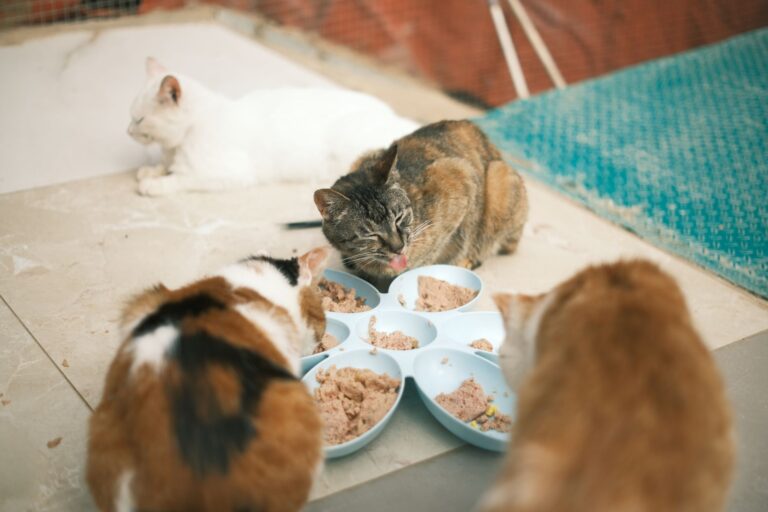

Frequent vomiting can turn mealtime into a guessing game, especially when your cat has a sensitive stomach or gets picky after a rough spell. You need food that fits the way your cat actually eats, whether that means a smooth wet formula, a dry kibble with added fiber, or a calming lickable topper that helps coax a reluctant appetite. This roundup focuses on practical options with clear ingredient profiles, digestibility cues, and format differences that matter in a real home.
Quick Look At The Eight Best Choices

Hill’s Science Diet Sensitive Stomach & Skin Wet Cat Food Variety Pack

Open Farm Grain Free Dry Cat Food Wild-Caught Salmon Kibble 4lb Bag

Farmina N&D Quinoa Digestion Lamb Quinoa Fennel and Mint Dry Cat Food 3.3lb

INABA Churu Indoor Care for Hairball Control 0.5oz Tubes

Purina Pro Plan Sensitive Skin and Stomach Senior Cat Food Salmon and Rice Formula 3.5 lb
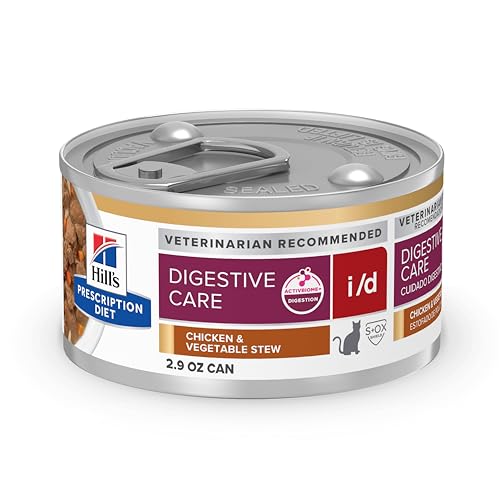
Hill’s Prescription Diet i/d Digestive Care Wet Cat Food Chicken & Vegetable Stew 2.9 oz

Nulo Digestive Health Adult Cat Chicken & Whitefish 4.5LB Bag

Optimeal Wet Cat Food Grain Free Tuna & Mackerel Tender Morsels 3oz Pack of 12
More Details On Our Top Picks
The soft minced texture matters here, because cats that nibble through nausea often do better with wetter food and familiar poultry or fish flavors. This pack rotates chicken, tuna, duck, and salmon, so you can see which protein sits best without changing the whole feeding routine at once.
That variety helps in a busy kitchen where your cat’s appetite can swing from one meal to the next. The 2.9-ounce cans are easy to portion, though they do mean more openings and more fridge storage once a can is started.
What We Like
- Wet format can be easier to serve to a sensitive cat than a dry bowl left out all day.
- Multiple proteins give you a practical way to narrow down what your cat handles best.
- Small cans help you manage portions without wasting much food.
- Minced recipes usually suit cats that prefer a softer bite, especially after an unsettled stomach day.
Worth Noting
- Small cans create more packaging to open and store.
- Variety packs help with rotation, but they can complicate strict single-protein routines.
Feature Snapshot
Who It Suits Best
You get the most from this pack when your adult cat does better on wet food and you want several flavor choices in a compact format.
A Better Fit Elsewhere
Hill’s Prescription Diet i/d Digestive Care Wet Cat Food suits cats that need a more digestive-care-led wet option rather than a variety pack approach.
This kibble leans on a shorter ingredient story than many dry foods, which can help you narrow down what’s in the bowl without a lot of filler. The salmon recipe is the most relevant flavor here, and the all-life-stages format keeps it flexible for mixed-cat households.
Dry food is convenient for grazing schedules, but it usually asks for closer water habits than wet food like Hill’s Science Diet. The 4-pound bag suits moderate use, while the 8-pound option gives you more runway for a steady feeder.
Reasons To Buy
- Traceable ingredient sourcing gives you a clearer picture of what you’re feeding.
- Salmon-based kibble can work well for cats that prefer fish over poultry.
- Grain-free construction appeals to households that want a simpler dry formula.
- All-life-stages positioning keeps it practical for homes with more than one cat age group.
Points To Note
- Dry food is less moisture-forward than the wet picks in this list.
- Fish-forward formulas can be a strong preference item, so palatability may vary by cat.
- The ingredient focus is a plus, but it also narrows flavor variety compared with the Hill’s variety pack.
Core Details
Who Should Grab It
You’ll appreciate this most in a home that wants dry food with traceable sourcing and a fish-led recipe.
Another Choice May Suit
INABA Churu Indoor Care for Hairball Control suits cats that need a lickable topper rather than a full dry-bowl staple.
Quinoa here refers to a seed-like ingredient used in some dry formulas for texture and recipe balance, and that makes this one feel more deliberate than a standard chicken bag. The fennel and mint angle gives the formula a very specific profile, so it suits you best when you want a dry food that feels more tailored than generic.
The trade-off is straightforward, since a more specialized recipe can be harder to match with very picky cats. Compared with Open Farm’s salmon kibble, this bag feels more targeted toward digestion-focused feeding rather than a broad all-life-stages approach.
Highlights
- Digestive emphasis makes the recipe feel purpose-built for sensitive feeding routines.
- Lamb offers a distinct protein path for cats that don’t do as well with the usual poultry-first choices.
- Quinoa adds a different texture and composition than standard grain-heavy dry food.
- The 3.3-pound bag is manageable for homes that prefer smaller storage turnover.
Small Caveats
- Specialized flavor notes may not suit every cat’s preferences.
- The smaller bag can move quickly in multi-cat homes.
Feature Rundown
Made For
You’ll get the most value from this bag when your cat needs a careful dry-food profile and you prefer a more specialized recipe.
Where A Sibling Pick Shines
Purina Pro Plan Sensitive Skin and Stomach Senior Cat Food Salmon and Rice Formula makes more sense for older cats that need a simpler senior-focused dry option.
Lickable treats like this can make mealtime less tense, especially for cats that back away from a full bowl after vomiting. The tube format lets you offer a small amount directly, which helps you gauge interest before committing to a larger feeding.
Compared with the fuller meals in the Hill’s and Purina dry options, this sits more in the topper-and-reward lane than the main-course lane. It’s handy in a carrier, during travel, or any time a cat needs a low-effort way to take in something soft.
Best Bits
- Single-serve tubes make portioning simple and tidy.
- The lickable texture can work well for cats that turn away from chunky food.
- Taurine and green tea extract give the recipe a more functional profile than a plain treat.
- Useful as a topper when you want to encourage interest in a full meal.
Areas To Watch
- This is a treat-style product, so it does not replace a complete meal by itself.
- Tube feeding can get messy around paws and counters.
- Large multi-pack counts suit regular use, but they take more cabinet space.
Details At A Glance
Built With In Mind
You’ll like this most when your cat needs a soft, tempting topper rather than a full bowl of food.
Look Elsewhere When
Hill’s Science Diet Sensitive Stomach & Skin Wet Cat Food Variety Pack is the better fit for a cat that needs complete wet meals in can form.
This formula leans into salmon and rice, a familiar pairing that usually reads as steady and uncomplicated in a senior bowl. The added oatmeal, prebiotic fiber, and omega support make it feel more complete than a bare-bones dry recipe, while still staying dry-food convenient.
Compared with Nulo’s chicken and whitefish bag, this one feels more age-aware than high-protein-forward. That matters in homes with an older cat that needs a gentler routine and a smaller 3.5-pound bag makes sense for that pace.
Upsides
- Salmon as the first ingredient gives the recipe a clear protein lead.
- Rice and oatmeal make the formula feel more settled and familiar.
- Prebiotic fiber supports the kind of digestive routine many senior cats need.
- Smaller bag size is easier to store and rotate.
- Bone, coat, and vision-supporting nutrients add practical everyday value.
Room For Improvement
- The bag is modest in size, so it may not suit multi-cat households that go through food quickly.
- Dry food still brings less moisture than wet options in this roundup.
Technical Sheet
Whose Shelf It Belongs On
You’ll want this most for an older cat that does better with a straightforward salmon-and-rice dry formula.
Swap It Out When
Open Farm Grain Free Dry Cat Food Wild-Caught Salmon Kibble 4lb Bag makes more sense for a household that values traceable sourcing over senior-specific positioning.
This stew sits at the most targeted end of the list, with a recipe built around digestive care rather than broad everyday feeding. The wet format is the main story, because cats that need softer meals often handle a stew more easily than dense kibble.
The manufacturer states that the formula is highly digestible and designed to support stool quality, which makes it the clearest specialist choice here. The catch is that its narrower purpose also makes it less casual than the Hill’s Science Diet variety pack or the lickable INABA tubes.
Strong Points
- Digestive-care positioning is highly specific and easy to understand.
- Wet stew texture helps reduce the effort of eating.
- Small cans are simple to portion for smaller meals.
- Single-protein style feeding can feel cleaner for narrow routines.
Honest Caveats
- The specialist focus can make it more than you need for routine feeding.
- Wet cans ask for fridge space once opened.
- The formula is more clinical in feel than a general household food.
Quick Facts
The Right Fit
You’ll find this best suited to a cat that needs a focused digestive-care wet food rather than a general variety formula.
Not Your Match When
INABA Churu Indoor Care for Hairball Control is the better move for a cat that only needs a topper or a light lickable snack.
Nulo takes a more protein-forward route, with 90 percent of that protein coming from animal sources, so it speaks to households that want a meat-led dry bowl. The BC30 probiotic and fibers from miscanthus grass give it a more digestive-minded profile than a standard high-protein kibble.
That mix makes sense for active adult cats that need daily structure and a firmer dry food, though it won’t feel as moisture-rich as the Hill’s and Optimeal wet options. The 4.5-pound size sits in a middle ground that’s easy to manage without feeling tiny.
Positives
- High animal-protein share suits cats that do well with meat-led recipes.
- BC30 probiotic and natural fibers give the formula a digestive-health angle.
- Made without grains, corn, soy, or artificial ingredients.
- Mid-size bag is practical for regular use.
- Made in the USA, which some households prefer for sourcing consistency.
Softer Spots
- Dry format still offers less moisture than a wet bowl.
- The ingredient focus may feel more complex than a simple single-purpose formula.
At A Glance
Perfect Match For
You’ll appreciate this most when your adult cat needs a protein-heavy dry food with digestive support baked in.
Another Choice May Suit
Purina Pro Plan Sensitive Skin and Stomach Senior Cat Food Salmon and Rice Formula is the better fit for an older cat that needs a gentler senior-leaning recipe.
Optimeal leans into pouch convenience, with tender morsels in gravy that can work as a complete meal or a topper over dry food. That flexibility matters in a vomiting-prone feeding routine, because you can scale the portion up or down without changing the texture too abruptly.
The prebiotic FOS and fiber angle puts digestion front and center, while the grain-free recipe and single-serve pouches keep prep clean. Compared with the Hill’s wet cans, this one feels a little more modular, especially in households that mix feeding styles across the week.
What We Like
- Pouches make serving quick and tidy.
- Gravy and tender morsels often appeal to cats that like softer textures.
- Can serve as a meal or topper, which adds flexibility.
- Prebiotic FOS and fiber give the formula a digestive support angle.
Minor Gripes
- Pouches can create more package clutter than a larger dry bag.
- Fish-based flavor may be a strong preference rather than a universal hit.
- The single-serve format suits convenience, but it may not suit larger households that feed in big batches.
Spec Overview
Right Fit For
You’ll like this most when you want a wet food that can shift between full-meal duty and topper duty without much fuss.
Skip It When
Hill’s Prescription Diet i/d Digestive Care Wet Cat Food is the stronger pick for a cat that needs a more targeted digestive-care stew.
How To Choose The Right Cat Foods For Throwing Up
Start With Texture And Moisture
Wet food often helps cats that back away from a dry bowl after vomiting, because softer texture and higher moisture tend to feel easier to eat. That’s why Hill’s Science Diet, Hill’s Prescription Diet i/d, and Optimeal all make sense for cats that need a gentler meal format.
Dry food still has a place, especially for structured routines or multi-cat homes, but it usually works best when your cat drinks well and keeps steady meals down. Open Farm, Farmina, Purina Pro Plan, and Nulo each approach that dry-food route in a different way, from traceable sourcing to senior-friendly formulas.
Match The Protein To Your Cat’s History
Protein choice matters more than many people expect, because some cats settle better on fish while others do better with poultry or lamb. You’ll notice this clearly across the list, from salmon in Open Farm and Purina Pro Plan to lamb in Farmina and chicken plus whitefish in Nulo.
A varied option can help you compare reactions, while a narrower recipe can make sense once you know what sits well. The practical move is to keep one or two protein paths in mind rather than chasing every flavor on the shelf.
Look At Portion Format And Cleanup
Small cans, tubes, and pouches help you offer smaller meals without leaving a lot behind, which is useful after an upset stomach. That’s where Hill’s Science Diet, INABA Churu, Hill’s Prescription Diet i/d, and Optimeal have an edge for controlled feeding.
There’s a trade-off, though, because smaller packages mean more wrappers, more openings, and more storage steps. Dry food is simpler to stash, but it gives you less flexibility when you need a tiny serving.
Think About Routine, Not Just Recovery
A food that helps today but fights your schedule tomorrow rarely sticks. Senior cats may do better with the more structured Purina Pro Plan formula, while active adults often handle Nulo’s high-animal-protein approach more comfortably.
For cats that need ongoing digestive care, Hill’s Prescription Diet i/d sits in the most focused lane. For cats that only need a softer appetite nudge, INABA Churu is easier to slot into daily life.
Things Worth Knowing First
Common Shopping Slip Ups
One easy mistake is choosing a food that sounds soothing but doesn’t match the format your cat already prefers. A wet cat that needs moisture and a dry cat that eats best by grazing need different approaches, not just different flavors.
Another common miss is overlooking portion size and storage. Small cans and pouches help with mealtime control, but they also ask for more fridge and pantry organization than a simple dry bag.
What The Higher Tier Buys
More specialized foods usually cost more because the recipe is narrower, the sourcing is more deliberate, or the formula includes added digestive-support ingredients. Farmina and Hill’s Prescription Diet show that pattern clearly, with purpose-built feeding goals rather than broad everyday positioning.
You usually feel the upgrade most when your cat’s stomach is sensitive enough that trial and error gets expensive in time and mess. A more focused formula can be worth it when you want fewer variables in the bowl.
Frequently Asked Questions
Which type usually suits vomiting-prone cats best?
Wet food often makes the most sense because it’s softer and easier to portion. Hill’s Science Diet and Hill’s Prescription Diet are the clearest wet-food examples in this roundup.
Can dry food still work for a sensitive stomach?
Yes, dry food can fit well when your cat tolerates kibble and drinks enough water. Open Farm, Farmina, Purina Pro Plan, and Nulo all take that route in different ways.
Is a topper enough on its own?
A topper like INABA Churu can help encourage eating, but it doesn’t replace a complete meal. It works best as a supplement or a short-term appetite helper.
Should you pick a single-protein recipe?
Single-protein style feeding can make it easier to narrow down what your cat handles well. That approach is especially useful once you notice a pattern with poultry, fish, or lamb.
What matters more, ingredient list or format?
Format usually comes first, because a cat that won’t eat the texture won’t benefit from a neat ingredient list. After that, the protein and digestive-support details help you refine the choice.
Closing Thoughts
The best choice for throwing up depends less on marketing language and more on what your cat will actually eat without pushing back. Wet foods give you softness and moisture, dry formulas give you routine and storage ease, and lickable treats help when appetite is the main problem. Start with the format your cat already tolerates, then narrow by protein and portion size. That path keeps the decision simple and usually leads to less mealtime drama.