

You want cat food that matches a real need, not just a shiny label. That could mean digestive support, weight control, dental care, kidney-focused wet food, or a straightforward everyday dry formula for a cat who prefers routine.
This roundup keeps those use cases separate so you can match the food to the cat in front of you. The lineup leans heavily on prescription-style options from Hill’s, then rounds out with two general wellness picks for homes that want a less specialized bowl.
Quick Look At The Shortlist

Hill’s Prescription Diet GI Biome Stress Digestive/Fiber Care Dry Cat Food

IAMS Proactive Health Healthy Weight Dry Cat Food, Chicken, 3.5 lb

Hill’s Prescription Diet t/d Dental Care Dry Cat Food

Hill’s Prescription Diet w/d Multi-Benefit Dry Cat Food

Hill’s Prescription Diet k/d Kidney Care Wet Cat Food
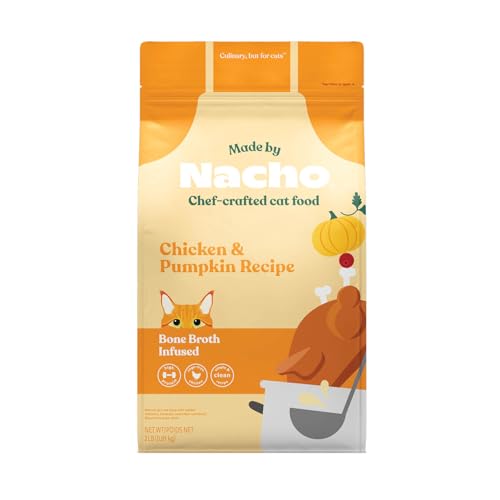
Made by Nacho Dry Cat Kibble 2lb Bag

Hill’s Science Diet Adult Perfect Weight Wet Cat Food Variety Pack

Purina ONE Plus Whole Body Support Chicken Dry Cat Food 3.5 lb Bag
More Details On Our Top Picks
This formula is aimed at cats whose digestion gets unsettled by routine changes, travel, or stress at home. The chicken recipe sits inside Hill’s prescription line, and the standout detail is the ActivBiome+ ingredient technology, which is designed to support gut bacteria balance.
Hydrolyzed casein, a broken-down milk protein, and L-tryptophan, an amino acid often used in stress-focused formulas, give it a more specific brief than a standard sensitive-stomach food. The honest read is that it makes the most sense for cats with a clear need, not for a casual pantry upgrade.
Strong Points
- Targets digestive support and stress in one bowl.
- Formula focus can suit cats with recurring stool issues.
- Dry format stores neatly and works for measured daily feeding.
- Chicken recipe is easier to place in a normal feeding rotation.
Things To Consider
- It sits in a narrow prescription-style lane, so fit matters.
- Dry kibble means extra water intake still needs attention at home.
Feature Rundown
Who It Suits Best
You get the most out of this pick when your cat needs a tightly focused digestive formula and your vet has already pointed you toward that direction.
A Better Fit Elsewhere
Purina ONE Plus Whole Body Support Chicken Dry Cat Food 3.5 lb Bag suits a cat that just needs a straightforward everyday dry staple instead of a prescription-style digestive formula.
Weight-oriented dry food often works best when the formula stays simple enough for daily use, and this IAMS bag leans into that idea. Real chicken leads the recipe, while the brand’s Proactive 5 framing points to broad whole-body support rather than a narrow therapeutic job.
That makes it a practical cabinet staple for homes that want a lighter-feeling dry option without moving into a prescription lane. The trade-off is obvious enough, it is less specialized than the Hill’s foods above, so a cat with a specific medical nutrition need should be matched more carefully.
What We Like
- Real chicken leads the recipe.
- Healthy-weight angle suits portion-conscious feeding routines.
- Dry format is easy to measure and store.
- Broad support message fits everyday adult feeding.
Points To Note
- It is a general nutrition pick, not a targeted therapeutic formula.
- Smaller bag size may suit trial feeding more than bulk stocking.
Core Details
Made For
This fits adult cats that need a straightforward dry food with a weight-conscious angle and a familiar chicken profile.
Another Choice May Suit
Hill’s Prescription Diet w/d Multi-Benefit Dry Cat Food is the better match for cats that need more than weight support, especially when digestion, glucose, or urinary management also matter.
This is the most purpose-built kibble in the group, and the shape matters more than the flavor story. Hill’s says the kibble’s size, shape, and texture help clean along the tooth surface, while the fiber matrix adds a second cleaning action for plaque buildup.
For cats that crunch their food instead of inhaling it, that design can be a real plus in a daily routine. The catch is that it serves a narrow job, so it makes less sense as a general pantry bag than the IAMS or Purina options.
Highlights
- Special kibble geometry gives it a clear dental job.
- Dual cleaning design supports plaque-focused routines.
- Dry format is easy to portion in a normal feeding schedule.
- Chicken flavor helps keep the formula familiar.
Room For Improvement
- It is highly specific, so it is not a casual all-purpose food.
- Dental benefit depends on the cat actually chewing the kibble.
At A Glance
Best Suited To
You get the most from this food when oral care is the main reason you are shopping and your cat is willing to work through crunchy kibble.
Swap It Out When
Hill’s Science Diet Adult Perfect Weight Wet Cat Food Variety Pack is the better fit for cats that prefer moisture-rich meals and need a gentler daily feeding texture.
Some cats do better with one formula that tries to cover several overlapping concerns, and that is the lane this bag occupies. Hill’s frames it around digestion, weight control, glucose management, and urinary health, which makes it unusually broad for a prescription-style dry food.
The therapeutic L-carnitine is a useful detail here, since it helps the body handle fat and support lean muscle maintenance. It is a strong fit for a cat with a multi-part care plan, though the breadth also means you should know which concern matters most before you commit.
Upsides
- Broad support profile covers several common feeding concerns.
- Dry form is easy to keep on a set routine.
- L-carnitine adds a practical body-composition angle.
- Can simplify feeding for cats with multiple care needs.
Softer Spots
- Its wide brief makes it less simple than a single-focus formula.
- Prescription-style positioning means fit should be deliberate.
- Dry kibble still needs fresh water nearby.
Spec Overview
Whose Shelf It Belongs On
This belongs with cats that need a single dry formula covering several issues at once and have already been steered toward a veterinary diet.
Where A Sibling Pick Shines
Hill’s Prescription Diet GI Biome Stress Digestive/Fiber Care Dry Cat Food is the tighter choice for a cat whose main concern is digestion with stress on top.
Wet food brings a different kind of ownership rhythm, especially for cats that need more moisture in the bowl or simply prefer stew over kibble. This k/d formula comes in a chicken and vegetable stew style, with alternate flavors listed on the source page, so the texture and taste profile are more flexible than the dry-only items above.
That flexibility is useful in a home where mealtime pickiness can derail good habits, though cans do add a little more storage and cleanup than a bag. The wet format also makes it feel less like a treat and more like a managed daily meal, which suits a kidney-focused feeding plan.
Best Bits
- Wet texture suits cats that avoid dry kibble.
- Stew format can help meal time feel more appealing.
- Multiple listed flavor styles add menu variety.
- Smaller cans make portioning more controlled.
Small Caveats
- Cans create more pantry and cleanup work than dry food.
- Wet food usually means a more hands-on feeding routine.
Details At A Glance
The Right Fit
This fits cats that need a wet-food routine and do better with a softer texture than a dry bag can provide.
Look Elsewhere When
Made by Nacho Dry Cat Kibble 2lb Bag is the better match for a cat that wants a dry, protein-forward bowl with a lighter pantry footprint.
This bag feels more like a specialty grocery shelf item than a clinical diet, and that can be useful for households that want a premium-feeling everyday kibble. The line offers several protein and produce pairings, including chicken and pumpkin, chicken and duck, salmon and pumpkin, and salmon and whitefish, which gives you some room to match your cat’s taste.
Bone broth infusion is the attention-grabber, but the real draw is the limited-ingredient, protein-forward angle. It makes sense for cats that are picky about texture or ingredient lists, though it is less directly targeted than the Hill’s therapeutic formulas above.
Bright Spots
- Protein-forward style fits cats that prefer meat-led kibble.
- Several flavor pairings help you match taste preferences.
- Limited-ingredient approach keeps the recipe relatively focused.
- Small bag size works well for trial runs.
Worth Noting
- It is a lifestyle food, not a targeted veterinary diet.
- Small bag means faster turnover in multi-cat homes.
Feature Snapshot
Built With In Mind
This suits cat owners who want a premium-style dry bowl with several protein choices and a more curated ingredient list.
Reach For A Different Pick When
IAMS Proactive Health Healthy Weight Dry Cat Food, Chicken, 3.5 lb works better for a shopper who wants a more straightforward, budget-friendlier everyday dry food.
Wet-food variety packs help when your cat gets bored with the same bowl every day, and this one leans into that problem in a tidy way. The source lists a mix that can include chicken with vegetables, liver and chicken minced, salmon with vegetables, and turkey with vegetables, so the rotation is built right into the pack.
That flexibility is useful for homes that want flavor variety without buying separate cases. The trade-off is that a mixed pack can feel less simple to plan around than a single-recipe carton, but many households will see that as the whole point.
Positives
- Flavor rotation helps with picky mealtime habits.
- Wet texture suits cats that prefer softer meals.
- Multi-flavor pack simplifies variety shopping.
- Smaller cans support controlled portions.
Areas To Watch
- Mixed flavors can make stocking a little more involved.
- Wet food means more open-can handling than dry kibble.
Feature Card
Who Will Love This
This fits cats that need variety to stay interested and households that prefer wet food over dry food for routine meals.
Where Shoppers Go Wrong
Hill’s Prescription Diet k/d Kidney Care Wet Cat Food is the better fit when the priority is a kidney-focused wet formula instead of general variety.
Purina ONE takes the most general-purpose route in this lineup, and that is exactly why it earns a place here. The recipe uses real chicken and adds live probiotics, taurine, vitamin E, choline, vitamin A, and omega-6 fatty acids, so it reads like a broad daily-support formula rather than a narrow specialty item.
That broadness is helpful for homes that want one dependable dry bag on hand for adult cats. Compared with the Hill’s prescription foods, it is less targeted, but for routine feeding that simplicity can be the point.
Reasons To Buy
- Broad adult-cat support fits everyday feeding.
- Live probiotics add a digestion-minded touch.
- Taurine is included for heart and muscle support.
- Dry format keeps storage and serving simple.
Minor Gripes
- It is less specialized than the veterinary diet picks.
- Small bag size may not suit bigger multi-cat homes.
Technical Sheet
Perfect Match For
This suits adult cats that need a reliable everyday dry bag with a broad nutrition profile and a plain chicken base.
Where Shoppers Go Wrong
Hill’s Prescription Diet w/d Multi-Benefit Dry Cat Food is the better call for a cat that needs a more structured veterinary formula across several health areas.
How To Choose The Right Cat Food Vet Recommendeds
Start With The Cat’s Real Need
The cleanest way to narrow this category is to match the formula to the issue, not the label style. Digestive stress, dental care, weight management, kidney support, and general adult wellness are all different jobs, and each product above leans toward one lane more than the others.
That matters because a multi-benefit food can be convenient, but a focused formula often makes more sense for a cat with a clear care plan. The Hill’s prescription foods illustrate that trade-off better than the general dry foods do.
Match Texture To Daily Routine
Dry kibble is easier to portion, store, and keep in rotation, which suits busy homes and cats that graze. Wet food brings moisture and a softer bite, so it tends to fit cats that dislike crunch or need a more spoonable meal texture.
The right texture also changes cleanup. Cans add more handling, while a bag usually keeps the routine simpler, which is part of why the Hill’s dry foods and Purina ONE fit different households than the wet k/d and Perfect Weight packs.
Look Closely At Ingredient Purpose
Ingredient terms only matter when you know what they’re doing. Hydrolyzed casein is a broken-down protein often used in stress-focused formulas, L-carnitine supports fat metabolism, and live probiotics point to digestive support.
That kind of detail helps you separate marketing language from actual function. It also explains why the GI Biome, w/d, and Purina ONE formulas sit in different parts of this roundup even though all of them are framed as helpful daily foods.
Think About Storage And Habit
Bag size, can count, and meal repetition all shape how easy a food is to live with. A 2 lb or 3.5 lb bag suits trial feeding or smaller kitchens, while a 24-pack of cans works better for a planned rotation and steady fridge space.
Consistency matters too, because cats that do best on one formula often prefer a stable routine. For that reason, the most specialized picks are worth it only when the feeding plan is already clear.
Things Worth Knowing First
Hidden Buying Traps
One common mistake is choosing the most detailed label without checking whether the cat actually needs that level of specificity. A dental formula, a kidney wet food, and a weight-management dry bag solve different problems, even when all three sound veterinarian-related.
Another easy miss is ignoring texture. A cat that turns away from kibble will rarely be persuaded by a carefully chosen dry formula, and a wet-food household usually has less patience for bulky cans than it first expects.
The Upgrade Payoff
Higher-tier foods often pay for more targeted ingredient work, narrower formula goals, and more careful recipe positioning. That is why the Hill’s prescription foods typically sit above general dry blends, even before you think about the feeding plan itself.
In practical terms, you are paying for better alignment with a specific issue, not just a fancier bag. That upgrade makes the most sense when the cat’s routine is already shaped around a known concern and you want fewer guesswork meals.
Frequently Asked Questions
What does veterinarian recommended usually mean here?
It points to brands or formulas that are commonly recommended in veterinary settings, but it does not replace a personal feeding plan. The right pick still depends on the cat’s age, texture preference, and specific need.
Do prescription diets always suit every cat?
No, prescription-style foods are designed for narrower use cases than general adult foods. They fit best when a cat has a concern that matches the formula’s purpose.
Is wet food better than dry food?
Neither format is automatically better. Wet food suits cats that prefer softer meals and added moisture, while dry food usually wins on storage ease and portion control.
Can a healthy cat eat one of the Hill’s formulas here?
Some can, but the smarter move is to match the food to the cat’s actual needs. A focused formula makes the most sense when it solves a real feeding problem.
How do you choose between Purina ONE and IAMS?
Purina ONE leans broader, while IAMS in this roundup is centered more on healthy weight support. The better call depends on whether you want general daily support or a more weight-aware dry bag.
Closing Thoughts
The best choice in this group comes down to what your cat needs most at mealtime, not which label sounds the most polished. GI support, dental care, weight control, kidney care, and everyday wellness each call for a different formula shape, and this lineup separates those jobs clearly. Dry bags make daily feeding simple, while wet food offers a softer path for cats that resist kibble. Once you match the food to the cat’s routine, the rest gets easier.