

Loose fur, small mats, and stubborn undercoat can turn a calm cat into a flustered one fast. The right brush makes home grooming feel less like a wrestling match and more like part of the normal routine, especially for long-haired cats, heavy shedders, and mixed-pet homes.
This roundup keeps the focus on tools that make sense in real rooms, not just on a product page. You get slickers, rakes, and rubber brushes with different strengths, so you can match the tool to your cat’s coat, your cleanup tolerance, and your patience level.
The Shortlist At A Glance

Chris Christensen Mark II Slicker Brush for Dogs, A5II Small

Aogeili Self Cleaning Slicker Brush

FelineFun Cat Brush for Dematting & Deshedding

Tpotato Deshedding Dog Brush for Long Haired Dogs Cats
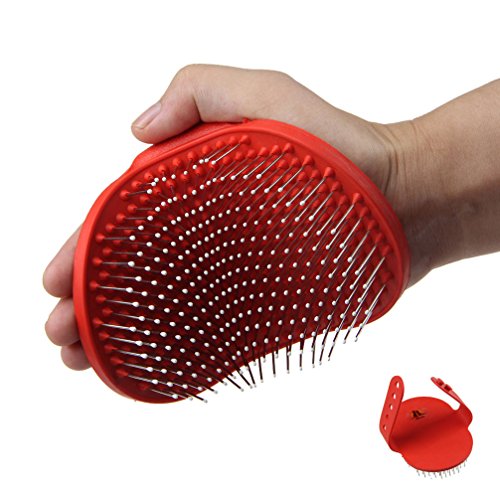
Emours Pet Rubber Grooming Brush Massager

Coastal Pet Safari Cat Soft Slicker Brush


Pet Grooming Rake for Dogs & Cats, Blue
More Details On Our Top Picks
That beechwood handle and stainless steel pin set this apart from the more utility-first brushes in the list. In daily use, a small slicker like this tends to suit careful coat work around the face, legs, and other tighter spots where control matters more than speed.
The honest read is that it feels more specialized than the rubber and rake-style tools later in the roundup, so you’re paying for precision rather than broad coverage. Cats with medium to longer coats and patient grooming routines benefit most.
Strong Points
- 12 mm pins give you controlled contact for neat finishing work.
- Lightweight beechwood handle helps reduce hand fatigue during longer sessions.
- Stainless steel pins bring a firmer feel than soft rubber brushes.
- Small size makes it easier to work around cheeks, chest, and paws.
Things To Consider
- Small slicker heads take longer on larger coats.
- Firm pins can feel too assertive on very sensitive cats.
- Regular hair clearing is still part of the routine, even with a simple head shape.
Feature Snapshot
Who It Suits Best
You’ll like this most for precision grooming on cats that tolerate a firmer slicker and need tidy finishing touches rather than a quick all-over pass.
Where A Sibling Pick Shines
Coastal Pet Safari Cat Soft Slicker Brush suits a gentler everyday routine better, especially for cats that prefer softer contact on first-pass brushing.
The one-click release system is the point here, and it matters most after a session with a shedding cat that fills a brush head fast. For busy homes, that kind of cleanup saves you from picking fur out by hand, which is a small thing until you’re doing it every few days.
Compared with the Chris Christensen brush, this one leans more toward convenience than fine control. It suits long and short hair, plus multi-pet homes, but a very sensitive cat may still need a slower first introduction.
Highlights
- Button release makes hair removal straightforward after grooming.
- Works across cats, dogs, and rabbits, so it covers mixed-pet homes.
- Soft slicker format helps with loose undercoat, mats, and tangles.
- Cleanup stays quick, which helps you stay on a regular grooming rhythm.
Minor Gripes
- The cleaning button adds a moving part that needs sensible handling over time.
- Brisk brushing on sensitive skin can still feel scratchy.
- It is more about convenience than premium materials.
At A Glance
Whose Shelf It Belongs On
This suits you best if you want a slicker brush that reduces cleanup time and keeps grooming simple in a home with more than one shedding pet.
Another Choice May Suit
Kong Rubber Brush for Cat fits better for short-coat cats that prefer a softer massage-like feel instead of a firmer slicker head.
This one is built around a double-sided approach, so you get a lower-density side for mats and a denser side for detangling and undercoat work. For long-haired indoor cats, that split is useful because you can move from heavier knot work to lighter cleanup without swapping tools.
The rounded teeth and wooden grip make the design feel more considered than the basic metal rakes in the roundup. Still, mats need patient handling, and a cat that dislikes pressure may need short sessions instead of a long grooming stretch.
Upsides
- Two-sided layout gives you more than one grooming approach in a single tool.
- Rounded tooth ends help keep contact gentler on the skin.
- Wooden handle adds a steadier hold during slower grooming work.
- Works well for indoor cats that collect loose undercoat over time.
- Helps you manage tangles before they turn into larger grooming problems.
Small Caveats
- Double-sided tools take a little more judgment to use well.
- Heavier mats still call for patience, not rushed passes.
- The wooden grip can benefit from being kept dry and clean after use.
Core Details
Made For
You’ll get the most from this on long-haired cats that need regular undercoat cleanup and occasional mat handling.
Look Elsewhere When
Coastal Pet Safari Cat Soft Slicker Brush suits you better for lighter routine brushing on a cat that only needs gentle surface grooming.
The Tpotato rake is aimed at thicker coats and heavier tangles, which makes it a more forceful cousin to the softer slickers above. For homes dealing with dense shedding on long-haired cats or dogs, that rake-style shape is the part that does the hard lifting.
The trade-off is feel, because rake tools are built to dig into undercoat rather than glide lightly over the surface. That’s useful for knot control, though cats that prefer a softer pass may do better with the Coastal Pet Safari brush.
Bright Spots
- Rake design handles undercoat cleanup with more bite than a basic slicker.
- Useful for detangling mats, knots, and loose fur in one session.
- Red finish gives it a clear, easy-to-spot look in a grooming kit.
- Works for both dogs and cats, which helps in mixed-pet homes.
Worth Noting
- Rake tools can feel too assertive for delicate grooming routines.
- Dense coats usually need patient section-by-section work.
- Metal comb-style tools need simple wipe-down care after use.
Technical Sheet
Best Suited To
You’ll want this for thick-coated pets that shed heavily and need a sturdier grooming tool than a standard slicker.
Skip It When
FelineFun Cat Brush for Dematting & Deshedding is the softer fit for cats that need more deliberate two-sided control and a gentler overall touch.
Rubber makes this one feel different right away, especially in bath or shower use where a firmer coated brush would feel out of place. The adjustable loop handle helps with grip, and the stainless steel pin adds a little more grooming reach than a plain rubber mitt.
For short-haired pets or cats that tolerate bathing, this style often works as both a grooming aid and a massage tool. The honest downside is that it’s less targeted for mat removal than the rake-style picks, so it fits routine upkeep better than rescue work.
What We Like
- Rubber body feels better suited to wet grooming sessions.
- Adjustable loop handle helps you keep a steadier hold.
- Stainless steel pin adds function beyond a simple massage brush.
- Easy-clean material keeps post-bath cleanup straightforward.
Areas To Watch
- Best results come from regular upkeep, not heavy mat removal.
- The smaller working surface may feel limited on larger coats.
- Rubber can hold onto water, so drying it matters after bath use.
Details At A Glance
Right Fit For
You’ll like this most for short-haired cats or pets that do better with a gentler bath-time brush and a grippy handle.
Where Shoppers Go Wrong
Kong Rubber Brush for Cat suits a simpler everyday routine better when you want a lighter, more cat-focused rubber brush without the bath-first angle.
Soft slickers sit in a nice middle ground, and this Coastal Pet Safari model leans into that idea with a cat-friendly shape and a manageable 6.5 by 3.5 inch size. In busy homes, that size works well for regular brushing on the couch or near a window perch, where a full-sized rake would feel clumsy.
The stainless steel pins still have enough presence to handle mats and tangles, so you get more than a surface-level brush. The trade-off is that a softer slicker can still feel scratchy on very delicate cats, so a slow introduction helps.
Reasons To Buy
- Cat-specific shape makes everyday brushing easier to manage.
- Soft slicker design suits routine shedding control.
- Handle shape supports steadier grooming passes.
- Small footprint makes storage simple in a grooming drawer or tote.
Softer Spots
- Pin feel can still be too firm for extremely delicate skin.
- Smaller head means more passes on larger coats.
- Routine cleaning keeps the pin bed from collecting shed fur.
Feature Card
The Right Fit
You’ll appreciate this most for routine cat grooming in a normal home, especially when you want a brush that stays manageable in the hand.
Swap It Out When
Aogeili Self Cleaning Slicker Brush fits better for multi-pet homes that want quicker cleanup after each grooming session.
Rubber brushes like this one are usually the gentlest-feeling option in a mixed lineup, and that matters for cats that lean away from metal teeth. Its small footprint and simple shape make it easy to keep near a litter area, grooming drawer, or travel kit.
Compared with the slicker and rake tools, this is more about everyday coat maintenance and massage-like contact than deep detangling. The upside is ease of use, though a cat with heavier mats will need something more assertive from this list.
Best Bits
- Rubber build gives a softer grooming feel.
- Very compact shape helps with easy handling and storage.
- Simple design suits quick touch-ups between deeper grooming sessions.
- Works well for cats that dislike firmer pin brushes.
Room For Improvement
- It is less capable on mats and heavier tangles.
- Small size can slow you down on thicker coats.
- Rubber surfaces can pick up hair and need wiping after use.
Spec Overview
Who Should Grab It
You’ll like this most for a short-coated cat that wants light brushing and a softer feel in a tiny tool.
Reach For A Different Pick When
Chris Christensen Mark II Slicker Brush for Dogs, A5II Small makes more sense for detailed coat work where you want firmer pin contact and tighter control.
This double-sided rake leans into broader coat control, which makes sense for long-haired pets that shed a lot and carry mats in the undercoat. The product page also frames it as a tool for reducing loose fur around the house, and that claim lines up with the simple logic of reaching the coat before it drops onto furniture.
It sits between the softer slickers and the heavier rake tools in spirit, but its twin-sided setup gives you more flexibility than a single-purpose brush. For many homes, that balance makes it a sensible pick, though a very sensitive cat may still prefer the gentler rubber brush from Kong.
Standout Traits
- Double-sided design gives you two grooming approaches in one tool.
- Works well for long-haired pets that need undercoat attention.
- Good fit for regular deshedding in homes that battle fur on floors and upholstery.
- Blue finish makes it easy to spot among other grooming tools.
Honest Caveats
- The rake style asks for careful pressure control on tender skin.
- Heavier grooming jobs still call for patience and sectioned passes.
- The double-sided build asks for a little more attention during storage and cleaning.
Core Details
Built With In Mind
You’ll get the best fit from this on long-haired cats that need recurring undercoat cleanup and mat control.
Where Another Pick Suits Better
Emours Pet Rubber Grooming Brush Massager is the gentler choice for bath-time grooming and short-coated pets that want softer contact.
How To Choose The Right Cat Grooming Brushes
Match The Tool To The Coat
Slicker brushes use fine metal pins to lift loose fur and work through surface tangles, while rakes reach deeper into dense undercoat. Rubber brushes feel softer and suit cats that prefer light contact or bath-time grooming.
The coat matters more than the label on the package. A short-haired cat usually needs a gentler tool, while a long-haired cat often benefits from something that can move through thicker fur without constant snagging.
Think About Hand Feel And Control
Handle shape changes the whole grooming session. A beechwood handle, like the one on the Chris Christensen brush, feels different from a rubber grip or a compact molded body, and that matters during longer sessions.
Smaller brushes help around the face, legs, and paws, while wider heads speed up full-body grooming. For a cat that fidgets, control usually beats size.
Look Past The Head Shape
Cleaning matters as much as brushing. A self-cleaning slicker saves time, while a rubber brush can be easier to rinse after bath use, and that difference shows up in real homes where grooming happens often.
Material also affects durability and maintenance. Wood, rubber, and stainless steel each bring a different mix of feel, cleaning effort, and storage convenience.
Choose For Your Routine, Not Just The Shed
Heavy shedders need more than a soft surface brush, especially during seasonal coat changes. A rake or firmer slicker handles that better, though a sensitive cat may need a slower introduction and shorter sessions.
For routine touch-ups between deeper sessions, a gentler brush often keeps the routine calmer. The right choice is the one you’ll use consistently without turning grooming into a chore.
What To Weigh Before You Shop
Common Shopping Slip Ups
Many people grab a brush that looks sturdy but feels too aggressive for a cat’s skin. The fix is simple, start with the coat type and the cat’s tolerance, then work outward from there.
Another common miss is choosing a tool that is hard to clean. A brush that sheds hair quickly after use is easier to keep in rotation.
The Upgrade Payoff
Higher-tier brushes usually cost more because of better handle materials, more controlled pin layout, and a cleaner feel in the hand. That matters during longer grooming sessions, especially for cats that need regular coat work.
The upgrade is worth it when you groom often, handle a long coat, or want a brush that feels steadier and lasts longer through repeated use. For occasional touch-ups on a short coat, a simpler brush is often enough.
Frequently Asked Questions
How often should you groom a cat?
Short-haired cats usually need less frequent brushing than long-haired cats. Shedding seasons and coat density change that pace, so the routine should match the coat, not a fixed calendar.
Which brush works best for matted fur?
A rake or a two-sided dematting tool handles tougher tangles better than a soft rubber brush. Heavy mats still call for patience and short sessions.
Are slicker brushes too harsh for cats?
Not always, because a soft slicker can be a good fit for routine coat care. The key is choosing the right pin feel and stopping before the brush starts tugging.
Can one brush work for both cats and dogs?
Yes, especially with rake-style or slicker tools that suit similar coat types. Still, cat-specific brushes often feel gentler and more manageable in smaller hands.
What brush is easiest to keep clean?
A self-cleaning slicker usually clears hair faster than a fixed-head brush. Rubber brushes also wipe down easily, especially after bath use.
Closing Thoughts
The best brush for your cat is the one that matches both coat texture and temperament. A patient cat with a long coat may suit a rake or firm slicker, while a shorter-coated cat often does fine with a rubber brush or soft slicker. You do not need the most aggressive tool to stay ahead of shedding. Start with comfort, then choose the brush that makes regular grooming feel manageable.