

Planted tanks run smoother when CO2 delivery is consistent, and the wrong setup can leave you chasing uneven growth or cloudy bubbles you don’t need. This roundup focuses on diffusers, drop checkers, reactors, and one air-stone style option so you can match the tool to your tank size, layout, and maintenance tolerance. You’ll also see where acrylic helps, where glass still makes sense, and where a larger reactor is the more practical route. The goal is simple, help you choose a piece that fits your aquarium instead of fighting it.
Quick Look At The Shortlist

TWINSTAR CO2 Diffuser 120 Gallons

Clscea Acrylic CO2 Diffuser with Bubble Counter (L)

FZONE Aquatic CO2 Glass Drop Checker Kit
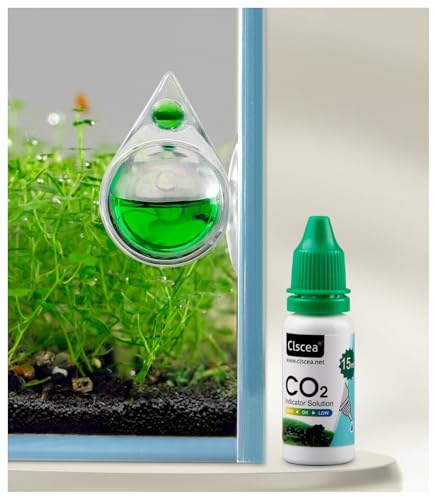
Clscea Aquarium CO2 Acrylic Drop Checker
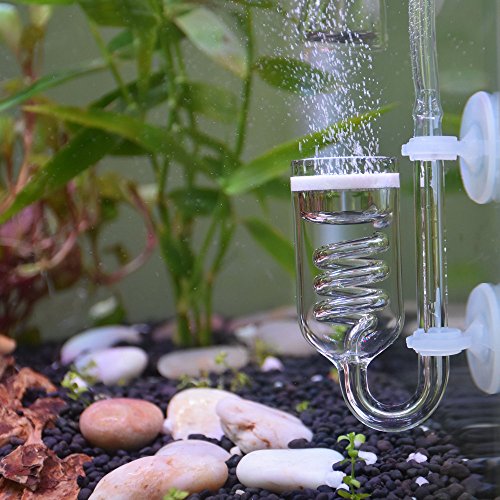
Yagote Glass CO2 Reactor 3 Spiro

Fluval Ceramic CO2 Diffuser A7548

JARDLI Pollen Glass CO2 Diffuser 2″

boxtech Aquarium Air Stone Bubble Diffuser
More Details On Our Top Picks
For larger planted aquariums, this one stands out for its very fine bubble output and smaller body. That slimmer profile matters in a busy tank, because bulky gear can crowd hardscape and draw the eye away from the plants.
The polycarbonate pipe adds a practical layer of toughness, so it’s a calmer choice for regular maintenance days. The trade-off is simple, the clean look and porous membrane are the main draw, so you’re paying attention to diffuser placement and routine wipe-downs rather than hidden extras.
Strong Points
- Fine bubble output helps CO2 spread more evenly through planted water.
- Compact shape keeps the tank view tidier than bulkier glass pieces.
- Polycarbonate tubing is a useful fit for households that handle equipment often.
- The porous membrane suits setups that need a cleaner, more controlled mist effect.
Things To Consider
- The look is understated, so you won’t get much decorative flair.
- Fine-pore parts usually reward regular cleaning to stay consistent.
- The best fit is a planted tank with enough room to justify a dedicated diffuser.
Feature Snapshot
Who It Suits Best
You’ll get the most from this in a planted freshwater tank where appearance and gas spread both matter, especially at mid-to-larger sizes.
A Better Fit Elsewhere
JARDLI Pollen Glass CO2 Diffuser 2" suits you better when you want a more decorative glass route and don’t mind a more visible line in the tank.
Some setups look cleaner the moment you combine parts, and that’s the appeal here. The integrated bubble counter keeps the CO2 path and bubble monitoring in one place, so you don’t need to hang extra pieces across the glass.
In a planted tank with limited room behind the hardscape, that combined layout can save a little visual clutter. The trade-off is that all-in-one styling usually asks for a bit more care during cleaning, so it suits you best when you want neatness more than modular flexibility.
Positives
- Built-in bubble counting reduces the number of separate parts in the setup.
- Acrylic construction keeps the profile lighter and easier to place discreetly.
- The larger size suits tanks that need a more visible, functional component.
- Useful for hobbyists who want monitoring and diffusion in one accessory.
Minor Gripes
- Combined parts can take a little more attention during routine cleaning.
- The look is practical first, so it won’t disappear as completely as a smaller unit.
- Tank owners who like swapping pieces separately may prefer a more modular setup.
Core Details
Who Should Grab It
You’ll like this most in a planted aquarium where you want fewer add-ons on the glass and a straightforward way to track bubbles.
Another Choice May Suit
FZONE Aquatic CO2 Glass Drop Checker Kit fits you better when your priority is monitoring CO2 status rather than combining counter and diffuser into one body.
This is the kind of accessory that makes CO2 management feel less guessy in a planted tank. A glass drop checker is a small indicator chamber that changes appearance with the aquarium water around it, so you can read conditions at a glance instead of relying on rough assumptions.
That matters in tanks with steady lighting and demanding plants, where consistency is usually the real challenge. It won’t replace a diffuser, of course, but it gives you a clear visual checkpoint, and that’s the part many hobbyists appreciate after a few frustrating adjustments.
Highlights
- Glass construction keeps the tool visually clean inside a planted layout.
- The drop-checker format supports simple at-a-glance monitoring.
- Helpful for keeping CO2 management more consistent over time.
- Works well in tanks where a subtle glass accessory fits the aquascape.
Worth Noting
- It measures conditions rather than diffusing gas on its own.
- Glass parts need careful handling during cleaning and placement.
- The role is supportive, so it makes most sense alongside a proper diffuser.
Details At A Glance
Whose Shelf It Belongs On
You’ll get the most value from this if you already run CO2 in a planted tank and want a straightforward monitor rather than another diffuser body.
Where A Sibling Pick Shines
Clscea Acrylic CO2 Diffuser with Bubble Counter (L) suits you better when you want one part to handle both diffusion and bubble counting.
Small tanks often feel crowded fast, so a tear-drop style indicator can be a sensible fit. This one leans into compact acrylic construction and a 15 ml chamber, which keeps the accessory modest in size while still serving the basic monitoring job.
That smaller footprint is handy around dense planting or tight glass layouts, where larger monitors can feel awkward. The honest read is that you’re choosing a neat, low-profile tool rather than a statement piece, and that’s exactly what many nano or desktop tanks need.
Reasons To Buy
- Compact tear-drop shape suits tight tank layouts.
- Acrylic body keeps handling lighter than glass.
- 15 ml chamber is a practical size for smaller setups.
- Blends into aquascapes that need a subtle monitor.
Areas To Watch
- Smaller accessories can be easier to misplace during tank cleaning.
- The look is functional, so it’s not meant to be decorative.
- Best suited to monitoring, not gas delivery.
Technical Sheet
The Right Fit
You’ll probably like this most in a nano or small planted tank where a smaller visual footprint matters more than a large display accessory.
A Better Fit Elsewhere
FZONE Aquatic CO2 Glass Drop Checker Kit suits you better when you want a glass monitor with a more classic planted-tank look.
Reactor-style diffusion usually makes sense once the tank gets large enough that a tiny glass piece starts feeling underpowered. This model uses a three-spiro glass design, and that tells you it’s built around a stronger mixing path rather than a minimal, decorative form.
The size range is wide, so it works in everything from moderate planted tanks to much larger setups. The trade-off is that a reactor asks for more planning in the cabinet and on the tubing route, but for bigger aquariums that’s often the sensible price of steadier gas handling.
Best Bits
- Reactor-style layout suits tanks that need more substantial CO2 handling.
- Three-spiro glass construction gives the unit a more engineered feel.
- Wide tank-size range makes it flexible for growing setups.
- Useful when you want function to matter more than visual minimalism.
Small Caveats
- Reactor setups usually need more room and tidier tubing planning.
- Glass construction calls for careful handling during installation.
- The design is more about performance than a barely-there look.
Spec Overview
Best Suited To
You’ll get the most out of this in a medium or large planted aquarium where a reactor layout makes more sense than a tiny diffuser.
Skip It When
Fluval Ceramic CO2 Diffuser A7548 suits you better when your tank is smaller and you want a simpler, more traditional diffuser.
Ceramic diffusers have stayed relevant for a reason, they keep the design simple and familiar. In a planted tank, that can be exactly what you want, especially when the rest of the setup already has enough visual noise from heaters, intake tubes, and hardscape.
The A7548 leans into that straightforward job without trying to be clever. That makes it a good match for smaller planted tanks where a compact diffuser is easier to place and easier to forget about, which is usually the point.
Upsides
- Classic ceramic format is easy to understand and easy to place.
- Compact body works well in smaller planted aquariums.
- Low-visual-impact design fits clean aquascapes.
- Simple construction usually means straightforward routine maintenance.
Room For Improvement
- It’s a simpler accessory, so it won’t add extra monitoring features.
- Smaller ceramic parts can need cleaning to stay consistent.
- Tank owners wanting integrated counters or reactors should look elsewhere.
Core Details
Who It Suits Best
You’ll appreciate this most in a smaller planted aquarium where simplicity and a clean look matter more than extra features.
Look Elsewhere When
Clscea Acrylic CO2 Diffuser with Bubble Counter (L) makes more sense for you when you want the diffuser and bubble counter together.
The U-shape connection gives this model a tidier visual line than many straight-run glass pieces. That matters in a planted display, where a neat tube path can look almost as intentional as the hardscape itself, especially on tanks that sit in a living room or office.
Its 2-inch size and 50 to 80 US gallon guidance point it toward medium aquariums that need a more visible, refined diffuser. You may find the glass body a little more delicate to handle than acrylic, but the payoff is a cleaner, more elegant fit.
Bright Spots
- U-shape connecting tube helps the install look orderly.
- Glass build suits aquariums that lean into a polished appearance.
- 2-inch sizing gives a clearer sense of where it fits.
- Works well in medium planted tanks with visible CO2 hardware.
Points To Note
- Glass needs a gentler hand during setup and cleaning.
- The visual style is refined, so it won’t suit every utility-first tank.
- Best aligned to tanks in the stated size band rather than very small aquariums.
Feature Card
Who Will Love This
You’ll like this most if you keep a medium planted tank and care about the visual line of the equipment as much as the function.
Where Shoppers Go Wrong
TWINSTAR CO2 Diffuser 120 Gallons suits you better when your tank is larger and you want a tougher-feeling diffuser body.
Not every aquarium setup needs a dedicated CO2 tool, and this one takes the simpler path. An air stone spreads bubbles through water with help from an air pump, so it suits people who want basic aeration accessories rather than a planted-tank diffuser.
The included check valve and suction cups make the package more convenient for placement and hose management. That convenience is useful in home aquariums, ponds, or hydroponic spaces, though the trade-off is that this is more about general bubbling than precise planted-tank CO2 delivery.
Positives
- Works as a straightforward bubble diffuser for air pump setups.
- Check valve adds a helpful layer of hose control in daily use.
- Suction cups make placement easier on glass or similar smooth surfaces.
- Useful for aquariums, ponds, and hydroponic applications.
Softer Spots
- It’s not a planted-tank CO2 diffuser, so the use case is different.
- The accessory is built around aeration, not fine CO2 monitoring.
- Owners focused on aquascaping may prefer a more specialized glass or ceramic option.
At A Glance
Built With In Mind
You’ll get the most value from this if you want a simple aeration accessory for a tank, pond, or plant setup rather than a dedicated CO2 solution.
A Better Fit Elsewhere
FZONE Aquatic CO2 Glass Drop Checker Kit suits you better when your focus is planted-tank monitoring instead of general bubbling.
How To Choose The Right Co2 Diffusers For Aquarium
Start With Tank Size And Layout
Tank volume matters because diffusion gear has to match the space it serves. A small acrylic checker or ceramic diffuser can suit a compact planted tank, while a reactor like the Yagote model makes more sense once the water volume rises and the hardware needs to work harder.
Layout matters just as much. Dense hardscape, tall stems, and visible tubing all change where a diffuser can sit without becoming an eyesore.
Match The Tool To Your Goal
Some accessories deliver gas, while others only show you what’s happening. A diffuser or reactor handles distribution, and a drop checker helps you monitor conditions, so the right setup often uses both roles together.
That difference matters in real use because a planted tank can look busy fast. Choose a combination that keeps the glass uncluttered while still giving you the information you need.
Pick Materials That Fit Your Routine
Glass looks elegant, especially in an aquascape with careful trimming, but it asks for gentler handling. Acrylic and polycarbonate feel more forgiving in homes where maintenance happens often and gear gets moved around more than once in a while.
Ceramic usually sits in the middle, with a classic look and simple function. The trade-off is that cleaning becomes part of the deal, no matter which material you choose.
Think About Maintenance Before You Commit
Fine pores, narrow chambers, and reactor tubes all reward regular upkeep. In a busy household aquarium, a part that wipes clean easily can be more satisfying than one that looks elegant but needs delicate care.
That’s why the simplest choice is often the one you keep using. A well-matched accessory tends to fade into the background, which is exactly what good tank hardware should do.
Things Worth Knowing First
Mistakes Worth Dodging
One common slip is choosing by appearance alone. A beautiful glass diffuser can be a poor fit for a larger tank, while a reactor can be too much hardware for a desktop aquarium.
Another easy miss is overlooking the job of the accessory. A bubble counter, a drop checker, and a diffuser all solve different problems, so mixing them up leads to frustration.
The Upgrade Payoff
Higher-tier gear usually costs more because of the material, the shape, and the amount of function packed into one unit. Integrated counters, reactor designs, and better-finished glass pieces add convenience, but they also add complexity.
That extra spend makes sense when your tank is central to the room or runs on a stricter routine. For a casual setup, a simpler piece often does the job without asking for more attention.
Frequently Asked Questions
Do Co2 diffusers and drop checkers do the same job?
No, a diffuser breaks up gas for the tank, while a drop checker gives you a visual reading of conditions. Many planted tanks use both because each part serves a different purpose.
Which material looks best in a planted aquarium?
Glass usually gives the cleanest visual profile, especially in carefully styled aquascapes. Acrylic and polycarbonate are often chosen for easier handling and a tougher feel.
Is a reactor better than a standard diffuser?
A reactor can make sense for bigger tanks because it handles more demanding setups. A standard diffuser is usually simpler and more comfortable in smaller or medium aquariums.
How often does diffuser maintenance come up?
That depends on pore size, water conditions, and how much buildup forms in the tank. Fine-pore parts and narrow glass pieces usually need more regular attention than a basic air stone.
Can an air stone replace a planted-tank CO2 diffuser?
No, an air stone is built for aeration, not planted-tank CO2 delivery. It makes sense for general bubbling, ponds, or hydroponic accessories, while a true CO2 diffuser fits aquariums with live plants.
Final Verdict
The right CO2 setup depends less on hype and more on how your aquarium actually lives in your home. A larger planted tank points you toward the TWINSTAR or Yagote pieces, while smaller aquariums usually benefit from the Fluval or Clscea options. For monitoring, the FZONE and the Clscea drop checker both keep things clear without adding clutter. Match the tool to your tank size, your maintenance habits, and how much hardware you want to see every day.
