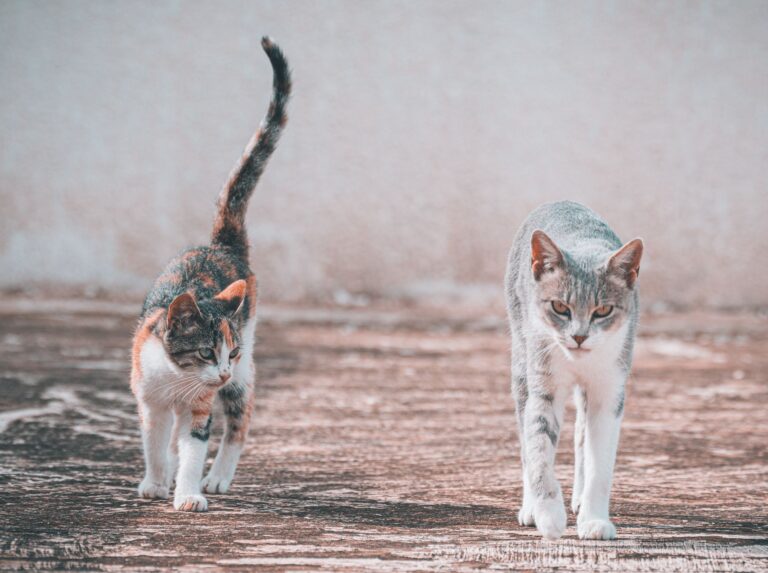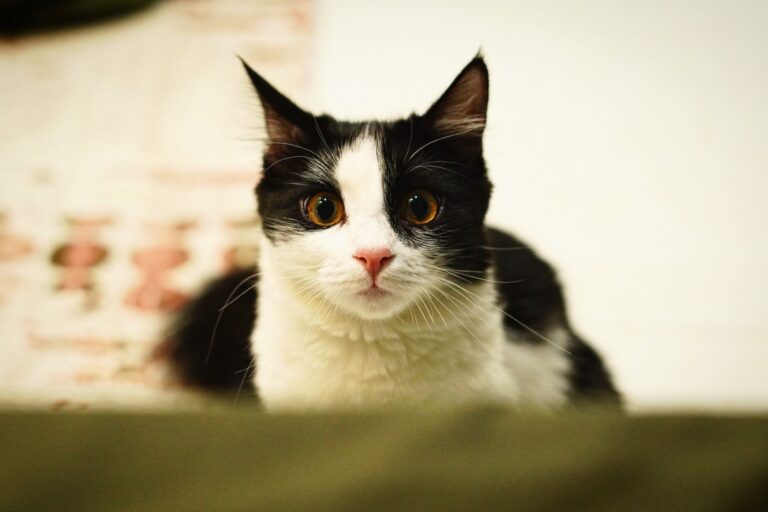

Ten reasons to adopt a pet come down to one practical choice: a homeless animal gets a safe home, and you get a companion that often arrives with clearer history and lower upfront costs. It can also ease shelter crowding and fit everyday life better than buying often does.
If you’re comparing a dog or cat from a shelter, rescue, or foster home, the sections below cover cost, care, behavior, and fit so the decision feels less vague and more manageable.
Adoption puts a homeless animal in a home
A front door opening into a living room changes everything fast. A rescue animal leaves a noisy shared space and enters a place where food, routine, and sleep can settle within days.
Stress in a shelter affects behavior because high cortisol can make a timid cat hide or a lively dog seem unsettled, so a calm home often reveals the real animal sooner than a cage does.
Second chances start with stability
Animals arrive at shelters for many reasons, including housing loss and family illness. Adoption gives one of them a place where companionship can start to feel normal instead of temporary.
A Boston Terrier that paces in a kennel may curl up on a couch after three quiet evenings. A shy tabby that flattens against a cage wall may start eating on schedule once the room stops echoing with barking.
Saving a life has a practical side
Adopting a pet can save a life because it moves one animal out of a crowded system and opens room for the next intake. Petfinder data and shelter intake reports point to the same pressure: more animals arrive than homes open in any given week.
That pressure is why reasons to adopt a pet aren’t only emotional. Your choice shifts space, food, and staff time for another homeless animal waiting at the door.
That pressure also shows up in the shelter budget, where every open crate and every adoption fee affects how many animals get care next.
Every empty kennel eased by adoption can also stretch limited funds a little further.
The shelter system benefits too
Shelter intake works like a waiting line with a fixed number of crates. When you adopt, the organization can place a new cat or dog in that spot instead of turning one away or packing care into an already full room.
Adoption fees also keep the system moving. That money helps cover vaccinations, heartworm screening, flea care, spay and neuter surgery, microchips, and the basic housing costs rescue organizations carry every day.
Space opens for the next intake
Pet overpopulation grows when unaltered animals keep producing litters and local demand stays uneven. One adoption won’t solve the whole problem, but it does reduce crowding inside a shelter and lowers the odds of care delays for the next animal.
That’s one of the quieter advantages of pet adoption. The ripple effect stays inside a building most people never see, yet that’s where the pressure shows up first.
Fees keep care moving
Many municipal shelters and humane societies use adoption income to offset medical supplies, food, litter, blankets, and staffing. Those dollars are concrete, because parvovirus treatment, dental work, and routine vaccines all cost real money before a pet leaves the facility.
In that sense, adoption acts like a local support line for rescue work. You take home an animal, and the organization keeps serving the next intake instead of waiting on donations alone.
Tip: Ask what the adoption fee includes before you commit. A package with vaccines, spay or neuter surgery, and a microchip can change the real comparison fast.
Those built-in basics matter even more when you compare adoption with the first-week vet appointments that often come with a brand-new pet.
That kind of head start cuts down the scramble for care during those first days at home.
Health checks and early care come built in
Many adopted pets arrive with core veterinary work already handled. Vaccines, deworming, and a basic exam are common before placement, so the first week doesn’t start from zero.
That matters because shelter medicine focuses on fast, practical screening. Vets check for visible illness, vaccination history, parasite load, and body condition, then flag anything that needs follow-up once the pet comes home.
Vaccines reduce the first-month rush
Rabies, distemper, and parvovirus vaccines protect against diseases that spread fast in shared housing. A shelter that vaccinates before adoption lowers the chance that your new dog or cat enters your home with an avoidable gap in protection.
The benefit is simple for you: fewer appointments in the first week and less scrambling around the local clinic schedule. That’s one reason adopting from a shelter can feel smoother than starting from scratch with a pet from a private sale.
Spay and neuter often come included
Spaying and neutering reduce reproductive hormones that drive mating behavior, roaming, and some marking habits. The procedure also helps limit litters, which matters when local shelters already carry more animals than open homes.
Because those surgeries are expensive on an individual basis, having them done before placement trims a major cost and a major recovery task from your list. For many households, that’s one of the clearest benefits of adopting a pet.
That lower starting load matters again when you compare the first bill to the everyday gear you still need to buy.
A smaller upfront bill can make the decision feel reachable for more households.
Lower costs make adoption easier to start
Buying from a breeder or pet store can bring a large upfront bill before food, bedding, collars, or a carrier enter the picture. Adoption fees are usually lower, and they tend to bundle some of the care you’d pay for later anyway.
That cost gap matters most in the first month, right when new owners are buying supplies, booking a vet visit, and learning the pet’s routine. The smaller opening expense can make the difference between acting now and putting the plan off for a year.
| Expense Area | Adoption | Purchase |
|---|---|---|
| Initial fee | Lower entry cost, often bundled with basics | Higher payment tied to breed, source, or age |
| Vaccines | Often included before placement | Usually paid separately |
| Spay or neuter | Frequently completed already | May still be pending |
| Microchip | Often part of the package | May be added later |
Lower startup costs help first-time owners
That table matters because the hidden costs add up fast. A crate, vet exam, heartworm test, litter box, and food can easily outrun the adoption fee if you start with a pet that still needs every basic service.
Your budget doesn’t have to stretch as far on day one, which leaves more room for a proper harness, quality food, or an emergency reserve. For many households, that practical edge sits near the center of the reasons to adopt a pet.
Cost is only half the story, because a pet’s daily habits can save you time when the shelter already knows how that animal behaves in a home.
Daily routines are only half the story, because familiar behavior can make the whole household settle faster.
Many adopted pets are ready to settle in
A pet that has spent time in foster care or a shelter foster program often arrives with clues about house habits already visible. A foster parent may know the cat uses a scratcher, or that the dog waits by the door before potty breaks.
That information can save you from guesswork. Shelter staff and foster homes see the animal in real routines, not just behind a kennel gate, so they can tell you how the pet reacts to children, stairs, strangers, or a quiet apartment.
House training and social skills matter
Many adopted pets are already house-trained or at least partially socialized. A dog that has learned leash manners, crate rest, or basic sit and stay cues can settle faster than a pet with no history in a home.
Socialization matters for cats, too. A cat that has lived with another cat, a dog, or a noisy vacuum may adjust faster because the animal already links those sights and sounds with normal life.
Temperament notes beat guesswork
Staff at animal shelters can describe energy level, vocal habits, and food guarding in plain terms. That detail is worth more than a polished sales pitch because it comes from real handling, feeding, cleaning, and observation.
An older Labrador that loves morning walks may fit a retired couple, while a young terrier mix with a squirrel fixation may suit a runner. That match quality is one of the stronger advantages of pet adoption, and it leads directly into fit.
Fit becomes easier when the shelter can read your routine as clearly as the pet’s, because the right match lowers stress on both sides.
That ease depends on more than luck, since temperament and lifestyle have to line up.
Matching the right pet to the right person
A good match starts with the life already in your home. A small apartment, a fenced yard, a toddler, or a night-shift schedule changes which animal will settle well and which one will struggle.
Shelter staff can read those conditions quickly. They can point you toward a low-key senior cat for a studio, a confident mixed-breed dog for a family with older kids, or a cat that likes perches and quiet corners over constant handling.
Lifestyle fit cuts down on regret
Pet pairing works best when energy, size, and social needs line up with your routine. A high-drive herding dog needs exercise and structure, while a mellow adult cat may need less space and fewer moving parts.
That match reduces returns, frustration, and the kind of mismatch that leaves both sides stressed. It also answers the practical side of why people adopt pets, because placement becomes more thoughtful instead of rushed.
What shelter staff learn from daily care
Staff members and foster caregivers notice patterns that a pet profile can’t show. They see which dog settles after a 20-minute walk, which cat dislikes being picked up, and which pet does well with calm adults but not loud activity.
That kind of detail matters more than breed labels alone. An anxious chihuahua, a steady pit bull mix, and a senior orange cat can all fit very different homes, which is why reasons to adopt from a shelter go beyond sentiment and into fit.
- Ask about routines: Feeding, potty timing, and sleep habits reveal how the animal fits your day.
- Request behavior notes: Leash skills, litter habits, and handling tolerance help you plan the first week.
- Meet outside the kennel: A quiet room or walking area shows more personality than a noisy row of cages.
- Check home setup: Apartment stairs, yard access, and child activity all shape the right match.
- Start with one pet: A single, well-matched animal makes the adjustment simpler for both sides.
Those practical checks keep adoption grounded in daily life, which is where the choice succeeds or fails. The best fit often comes from less drama, not more, and that’s where your next step becomes clearer.
When those pieces align, the result feels less like compromise and more like a natural fit.
Final thoughts
The strongest reason to adopt is still the simplest one: you give a homeless animal a stable home and help the shelter system breathe a little easier. Add the health work, lower entry cost, and better match data, and the case becomes practical as well as humane.
FAQ
What are the advantages of adopting a pet?
You get a pet that often already has vaccines, spay or neuter care, and some behavior history, which lowers early guesswork. Adoption also helps animal shelters take in the next homeless animal that needs space.
Why should I adopt a pet instead of buying one?
Buying may tell you very little about the animal’s real habits, while shelter staff can often describe temperament, energy, and social behavior from daily care. Adoption also tends to cost less upfront and supports rescue work directly.
What are the benefits of adopting from a shelter?
Shelter records can show medical care, age estimates, and handling notes that help you choose wisely. You also help reduce pet overpopulation by opening room for another intake.
What are 5 good reasons to get a dog?
A dog can add routine, exercise, social connection, companionship, and a steady sense of responsibility to your day. Those gains matter most when you have the time, space, and energy to match the animal’s needs.
How does adopting a pet improve mental health?
Daily contact with a pet can lower loneliness, build routine, and add physical movement, all of which help mental health for many households. A calm cat in the evening or a morning dog walk can also create a steady rhythm that makes the day feel more organized.
What are the reasons to adopt a pet from a shelter?
You help one animal leave a stressful holding space, support the shelter with your adoption fee, and start with a pet whose vaccines and early care are often already done. That combination makes adoption a practical choice, not only a compassionate one.