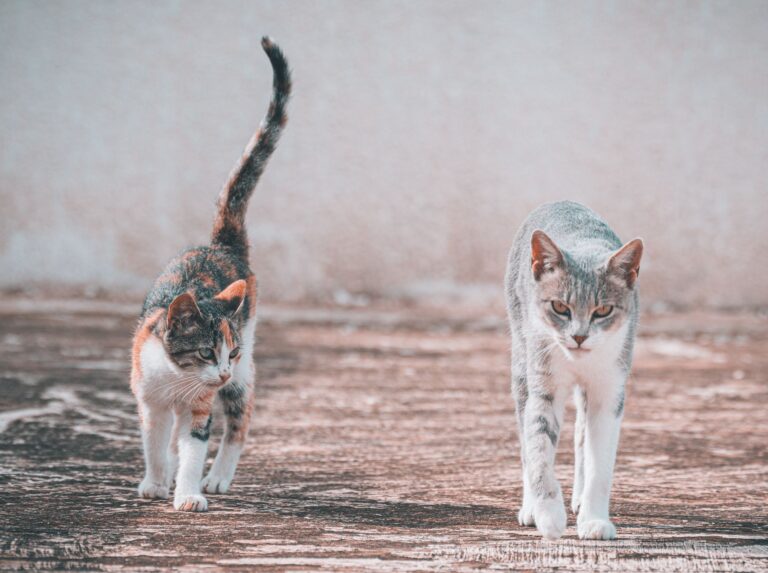

No,autism is a human neurodevelopmental diagnosis, so cats aren’t diagnosed with it in veterinary medicine. Still, a cat that paces, hides, or recoils from touch can look surprisingly similar, which is why the behavior deserves attention.
This article covers the behaviors that can make a cat seem unusually distant or sensitive, and it explains how stress, pain, or illness may be driving those changes, especially when a veterinarian should step in.
Why Autism In Cats Is Not A Clinical Diagnosis
Veterinary medicine uses a different framework. Autism in the DSM-5 relies on human language, social communication, and developmental criteria, so a cat can’t meet those standards in an exam room. “Autistic cat” is casual shorthand, not a scientific label, and that distinction changes how care should start.
Signs can still be misleading. A cat that avoids eye contact, dislikes touch, or repeats the same motion may seem autistic from the outside, but those behaviors can also come from pain, stress, or a nervous system that’s on edge. That matches the approach emphasized by the American Veterinary Medical Association and the American Association of Feline Practitioners, both of which prioritize pain, stress, and environment first.
So the issue isn’t whether a viral phrase fits. It’s whether the behavior is old, new, mild, or tied to something fixable, which leads straight into the patterns that tend to get misunderstood.
Human Diagnosis Does Not Map Cleanly Onto Cats
Autism depends on human language, joint attention, and social reciprocity. Cats communicate through posture, scent, movement, and spacing, so the same behavior can signal caution, discomfort, or simple preference instead.
That’s why can cats be autistic is the wrong clinical question, even if it’s a common one online. The better question is what changed, and what’s driving that change right now.
That shift in thinking opens the door to the behaviors people usually notice first.
Behaviors That Can Look Autism-Like
Several feline behaviors may closely resemble signs of autism in cats. Repetitive motions, strong sound sensitivity, and pulling away from interaction all fit the description on paper, yet they also show up in healthy cats and in cats under strain.
Tail chasing, flank licking, head bobbing, and pacing the same route across a room can resemble stimming. A cat that bolts from the vacuum, refuses a new litter, or stiffens during handling may seem socially distant. None of that proves a developmental difference, because behavior is a clue, not a diagnosis.
Track the pattern, not the label. A repeated action that shows up only during thunderstorms tells a different story from a habit that appears every day, in the same room, with the same trigger.
Change is the key signal. A cat that has always preferred the back of the sofa isn’t the same case as a cat that suddenly stops greeting you at mealtime. Once the pattern is clear, the next step is figuring out whether the cause is temperament or trouble.
Repetition And Intense Sensitivity
Repetitive behavior can come from boredom, anxiety, or a neurologic issue, and the same motion may serve different needs. A cat may lick, paw, or pace to calm itself, much like a strict routine helps reduce uncertainty.
Cat sensory sensitivity can also show up around sound, touch, light, litter texture, or food-bowl placement. A metal bowl that clinks loudly, for example, may be enough to make one cat stop eating while another doesn’t seem bothered at all.
Withdrawal That Is Old Versus New
Some cats have always been reserved. New withdrawal is different, especially when a cat that used to follow you into the kitchen now hides for hours.
That shift matters because cat social behavior problems rarely appear out of nowhere. Pain, stress, or illness is often underneath it, and the body usually drops hints before the behavior does.
Those surface changes matter because they often trace back to a deeper physical or emotional trigger.
Stress, Pain, And Illness Behind Sudden Changes
Routine disruption can change a cat quickly. A move, a new pet, a different work schedule, or even shifting the litter box can alter sleep, appetite, grooming, and contact-seeking within days.
Medical causes matter just as much. Dental disease, arthritis, bladder inflammation, and injury can make a cat avoid handling or react sharply to touch. Neurologic issues, thyroid disease, kidney disease, and infection can also change behavior, which is why why my cat acts different usually has a physical explanation long before it has a developmental one.
Stress and pain can also feed each other. A cat that hurts may hide, and a hidden cat may eat less, drink less, and grow more reactive, which deepens the problem. From the outside, it can look strange; inside, the body is just trying to cope.
- Routine disruption A moved litter box or feeding time can unsettle your cat within a single day.
- Household tension Loud conflict, visiting dogs, or a new baby can raise vigilance and reduce contact.
- Dental pain Mouth pain often shows up as food refusal, drooling, or rubbing the face.
- Arthritis Stiff joints can make jumping, grooming, and resting positions look like odd behavior.
- Urinary discomfort Bladder pain can cause agitation, hiding, or repeated trips to the box.
Chronic stress keeps cortisol and other stress hormones elevated, and that can change appetite, sleep, and social tolerance. In plain terms, the body stays guarded, and your cat stops acting like itself. That stress-pain loop is easy to miss, which is why the next part focuses on the sensory and social clues that often show up first.
Subtle cues often emerge before the bigger picture does, especially in how a cat reacts to touch and company.
Reading Sensory Sensitivity And Social Withdrawal
Cat sensory sensitivity often shows up in ordinary routines. A cat may flinch at a brush, avoid a hard surface, refuse food with a new smell, or react to the hum of a dryer that never bothered it before.
Those reactions don’t point to autism as a diagnosis. They point to a nervous system that’s overloaded, hurting, or getting too much input at once, and that distinction helps separate temperament from distress.
Signs That Point To Distress
Hiding in a new place, flattening the ears during petting, hissing at a favorite person, or missing routine meals all suggest discomfort. A cat that only seems settled in one room may be coping with noise, other pets, or a painful body.
The ASPCA notes that stress-related behavior changes often follow environmental pressure, and that matches what veterinarians see every day. A litter box placed beside a washer, for example, can turn a normal bathroom trip into a problem your cat starts avoiding.
Temperament Still Matters
Some cats are quiet, cautious, or highly selective about contact from kittenhood. Those differences aren’t a disorder, and they only become meaningful when the pattern changes or starts interfering with eating, movement, or daily care.
That’s why a lifelong solo cat isn’t the same case as a cat that begins hiding after a move or after a fall. The next section shows where veterinary evaluation fits into that decision.
A clear pattern becomes more urgent when hiding or withdrawal follows a specific change or injury.
When Veterinary Evaluation Matters Most
Sudden change deserves prompt attention. A cat that stops jumping, cries during touch, stops using the litter box, or develops rapid repetitive behaviors needs a medical exam before anyone settles on a behavioral explanation.
A good workup starts with history, physical exam, and a behavior review. Your veterinarian may ask about diet, household changes, sleep, medications, and timing because the order of events often tells more than any single symptom.
Repetitive behavior also deserves assessment even when the cat seems otherwise bright. A cat can eat, purr, and seek warmth while still dealing with pain, nausea, or a neurologic issue that shows up in only one habit.
| Change pattern | What it can suggest | What to do next |
|---|---|---|
| Sudden hiding | Pain, fear, or illness | Schedule a veterinary exam soon |
| New sensitivity to touch | Arthritis, injury, dental pain | Note the body areas that trigger reaction |
| Repetitive pacing | Stress, discomfort, neurologic signs | Record timing and triggers |
| Box avoidance | Urinary pain, box aversion, anxiety | Check litter type, box height, and medical causes |
A veterinary behaviorist adds another layer when the case is complex. That specialist looks at behavior and medicine together, which helps separate anxiety from pain from a learned response that’s become stubborn over time. Once the cause is clearer, home changes can lower pressure and support steadier behavior.
Sorting that out often comes before any plan can actually help the cat feel safer.
Better Next Steps For A Cat That Seems Unusual
Care starts with observation, not a label. Write down the exact behavior, the time it starts, the room it happens in, and what changed that same week, because small details narrow the cause faster than guesses do.
Routine helps a nervous cat feel safer. Keep feeding times steady, place litter boxes in quiet spots, reduce sudden noise, and add environmental enrichment such as a perch, puzzle feeder, or a warm resting area. Those changes lower pressure without forcing interaction.
- Record the pattern Write down what happened before, during, and after each episode so you can spot triggers and repeat events.
- Check for pain cues Watch jumping, grooming, appetite, and litter box habits for changes that suggest discomfort.
- Stabilize the home Keep feeding, cleaning, and sleeping routines predictable so your cat does not have to relearn the day.
- Reduce sensory strain Move noisy machines, harsh lights, and rough textures out of reach when possible.
- Use veterinary help Ask for an exam when change is sudden, severe, or linked to pain.
Can cats be autistic is still the wrong clinical label, but the concern behind the question is real. A cat may need medical care, stress reduction, or behavior support, and the best outcome begins with careful observation instead of a borrowed diagnosis.
Even then, progress depends on matching the response to what the cat is really experiencing.
Final Thoughts
Behavior can point in the wrong direction when the body is in pain or the home has changed. A cat that seems autistic is far more often showing stress, discomfort, or a sensory reaction than a human-style developmental disorder, and that difference shapes the right next step.
FAQ
Can cats actually be autistic?
No. Autism is a human neurodevelopmental diagnosis, and current veterinary and psychiatric standards do not diagnose cats with autism. A cat can show repetitive behavior, social withdrawal, or sound sensitivity, but those signs point to other causes.
What are the signs of autism in cats?
No clinical signs of autism have been identified in cats. Behaviors that can look similar include pacing, hiding, flinching at touch, and repeating actions, yet those patterns more often reflect stress, pain, or illness.
Why does my cat act weird or differently from other cats?
Changes in routine, pain, anxiety, illness, and environmental stress can all shift feline behavior. A cat that suddenly hides, acts touchy, or stops using the litter box needs a veterinary look before any label is assumed.
Can a veterinarian diagnose autism in cats?
No. A veterinarian can evaluate behavior, pain, neurologic signs, and environmental triggers, but autism is not a diagnosis they place on cats. The more useful goal is finding the medical or emotional cause behind the change.
What conditions can look like autism in cats?
Arthritis, dental pain, urinary disease, neurologic problems, anxiety, and stress can all look similar at home. Each can change social behavior, increase repetitive actions, or make a cat seem withdrawn.