

Light swings can make aquarium care feel like guesswork, especially once you start balancing coral placement, shimmer from LEDs, and deeper tank zones. You get a clearer read on what your setup is doing with the right par meter, and that makes lamp changes, fixture height, and placement decisions far less random. This roundup leans toward practical use, not lab chatter, so you can match a meter to your tank, your routine, and how much detail you actually want.
Quick Look At The Shortlist
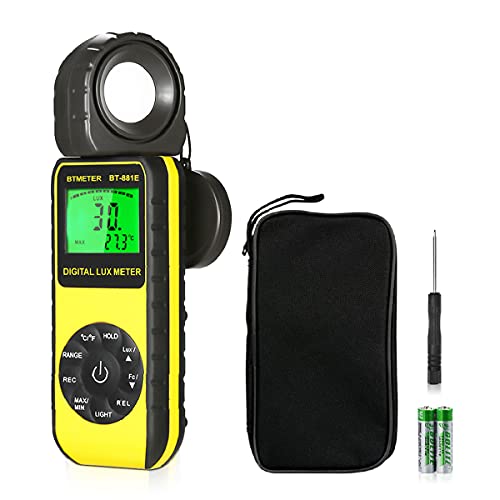
BTMETER Digital Illuminance Light Meter 881E

VBR-Aqua IP68 PAR Meter for Aquarium Reef

AH-Quantuv PAR Meter for Grow Lights PPFD Meter

PAR Meter for Reef Tank Waterproof PAR Meter Aquarium IP68 Quantum Sensor

PAR Meter for led Grow Lights High Precision Quantum Sensor

AH-Reef PAR Meter Test PPFD UVA Waterproof Sensor

PAR Meter for Reef Tank IP68 Waterproof Aquarium PAR Meter

Full Spectrum PAR Meter Aquarium 320-750nm Waterproof Sensor

MQ-510 Full-Spectrum Quantum PAR Meter Underwater Reef Tank

Quantum PAR Meter 320-750nm Red Blue Light Seperate PPFD
More Details On Our Top Picks
For basic aquarium light checks, this BTMETER feels like the plainspoken tool in the room. It measures a very wide lux range and also shows foot candles, which helps you compare brighter display areas with dimmer corners without needing a second meter.
You may find it especially useful outside reef work too, since the same kind of handheld readout helps in plant rooms, photo setups, and other spaces where you just want a quick number. The trade-off is simple: it stays broad rather than reef-specific, so serious coral work usually benefits from a meter built around PAR.
What We Like
- Wide measuring span gives you room to check both low and bright spots in one pass.
- Foot candle readout helps you translate the number into older lighting habits.
- The backlit LCD is easier to read beside a tank stand or in a shaded fish room.
- Handheld format suits quick checks on fixture height, shelf lighting, or aquarium spillover.
Areas To Watch
- Lux is not the same as PAR, so reef-specific decisions need a more tailored meter.
- The broader toolset can feel like extra baggage for hobbyists who only care about coral lighting.
- Like most handheld meters, it rewards careful storage so the sensor stays clean and ready.
Feature Rundown
Who It Suits Best
You fit this meter best if you want a general-purpose light checker for an aquarium room, a plant shelf, or a mixed-use workspace.
A Better Fit Elsewhere
VABIRA’s VBR-Aqua IP68 PAR Meter for Aquarium suits reef keepers more closely, since it is built around waterproof underwater use and reef-oriented PAR reading.
Reef work puts different demands on a meter than a typical room-light tool, and that’s where this VBR-Aqua model starts to make sense. The IP68 sensor rating points to dust-tight construction with strong water protection, while the 3-foot telescopic rod gives you reach without leaning too far over the tank.
Its R, G, and B separation is the useful part for LED reef setups, because colored channels can behave differently under modern fixtures. The honest read is that this kind of detail helps most once you already care about spectrum, not just raw brightness.
Strong Points
- IP68 sensor design suits wet aquarium work and occasional splashes around the rim.
- Three-foot telescopic rod adds reach for deeper tanks and awkward center zones.
- Separate red, green, and blue readings support more careful LED tuning.
- Built for aquarium use first, so the layout feels focused rather than generic.
Minor Gripes
- The channel-by-channel data asks for a little more attention than a basic meter.
- Telescopic hardware deserves gentle handling so joints stay smooth over time.
- That reef focus makes it less useful for broad household lighting chores.
Core Details
Built With In Mind
You should look here if your day-to-day work revolves around reef tanks and LED spectrum checks.
Where A Sibling Pick Shines
BTMETER’s Digital Illuminance Light Meter 881E fits broader room-light needs better, especially for mixed indoor spaces that do not need underwater handling.
Grow-light shoppers and aquarium keepers who care about spectrum detail tend to look for more than a single PAR number, and this unit answers that need. It measures PAR from 400 to 750 nm, plus UVA from 320 to 400 nm, so you can separate standard photosynthetic light from the higher-energy band that often gets overlooked.
The PAR sensor IC comes from a well-known Japanese semiconductor maker, which matters because stable sensor behavior is the whole point of this category. You may find the added detail more useful for mapping light distribution than for quick weekly checks, and that’s a fair trade.
Upsides
- PAR and UVA coverage gives you a fuller picture of light output.
- Blue, green, and red breakdowns help you inspect how an LED mix behaves.
- Recorded readings support distribution mapping across shelves or tank zones.
- Sensor sourcing points toward steadier numbers for repeated lighting checks.
Points To Note
- The extra data is helpful, but it also takes a little more interpretation.
- Mapping light across multiple spots means more time at the tank or grow area.
- The broad grow-light focus makes it less specialized for reef-only routines.
Spec Overview
Who Should Grab It
You fit this model well if you want to study LED spectrum behavior in a planted setup, grow room, or aquarium with mixed lighting goals.
Another Choice May Suit
AquaHorti’s AH-Reef PAR Meter works better for reef-focused aquarium use, especially if your day revolves around coral lighting and waterproof handling.
This DANOPLUS meter leans into reach and reef handling, which is exactly what deep tanks tend to ask for. The 79-inch cable and 37-inch solid telescopic pole let you place the sensor farther from your hands, so measurements in tall or awkward tanks feel less cramped.
The data logger function is the useful bonus here, because reef owners often care about comparing spots over time, not just grabbing one quick reading. One thing worth considering is that a rig this long needs a little more storage space, so it suits a dedicated tank area more than a tight cabinet.
Best Bits
- Long cable and telescopic pole give you flexible reach in deep reef systems.
- IP68 waterproofing is a strong match for wet aquarium conditions.
- Data logging supports repeat checks across different lamp positions.
- Full-spectrum quantum sensing helps you compare light across the tank more confidently.
Small Caveats
- The longer setup can be a bit much for very small tanks.
- Storing the pole and cable neatly matters more here than on compact meters.
- Like most reef tools, it asks for a little patience during first setup.
Details At A Glance
Whose Shelf It Belongs On
You fit this meter best if you keep a deep reef tank and want a longer, more deliberate measurement setup.
Look Elsewhere When
VABIRA’s VBR-Aqua IP68 PAR Meter for Aquarium is the cleaner choice for shoppers who want a simpler waterproof reef meter with a shorter, less involved layout.
Landtek keeps this one tightly focused on PPFD, which stands for photosynthetic photon flux density, the amount of light in the plant-useful band that reaches a surface. That matters in aquarium-adjacent lighting work too, because you want a meter that speaks the same language as modern LED fixtures and plant growth setups.
The 400 to 700 nm range is the classic photosynthetic window, and the claimed upper reading range reaches high enough for stronger fixtures. In plain terms, this feels built for hobbyists who want to stop guessing, though the trade-off is that its focus stays narrow rather than broad and all-purpose.
Reasons To Buy
- High-precision quantum sensing supports careful light adjustment.
- PPFD coverage helps you compare young-growth and bloom-stage lighting needs.
- Clear wavelength window makes the meter easy to place in a plant or tank workflow.
- Strong fit for setups where light intensity matters more than ambient brightness.
Worth Noting
- The plant-first focus means reef-specific extras are not part of the picture.
- Because it is specialized, casual room-light chores may feel like overkill.
- Any precision meter deserves careful sensor handling and clean storage.
Core Details
Right Fit For
You fit this meter best if you care about precise light placement in a grow room, propagation shelf, or similar controlled setup.
Swap It Out When
BTMETER’s Digital Illuminance Light Meter 881E makes more sense for broad indoor lighting checks, especially when you do not need a narrow PPFD focus.
Some reef owners want a meter that speaks in both PAR and UVA, and this AquaHorti model is aimed straight at that need. It also shows R, G, and B percentages, which helps you see how an LED fixture spreads its output instead of leaving you with one flat number.
The red, green, and blue breakdown is the useful part here, because it helps you compare fixtures and placement zones with a little more context. You may find the extra detail especially helpful in newer reef builds, though a quick weekly check will take a bit longer than with a simpler meter.
Highlights
- PAR and UVA readings give a fuller picture of aquarium light behavior.
- RGB percentage display helps you understand how the fixture is balanced.
- Waterproof sensor design suits wet tank-side work.
- Records PAR and UVA distribution for more detailed comparison across the tank.
Honest Caveats
- Extra color data is useful, but it also asks for more interpretation.
- The reef focus makes it less versatile for non-aquarium light chores.
- Like other sensor-based tools, the probe deserves careful rinsing and storage.
Quick Facts
Made For
You fit this model best if you like reef lighting with more color detail and want to track both PAR and UVA.
Where Another Pick Fits Better
Apogee’s MQ-510 Full-Spectrum Quantum PAR Meter suits hobbyists who want a more established pro-style name for underwater reef measurements.
Not every reef meter needs a long accessory list, and this DANOPLUS model keeps the setup straightforward. The IP68 sensor suits underwater work, while the 400 to 700 nm spectral range lines up with the light band most reef and plant users already think in.
That simpler shape makes it a good match for routine checks, especially for hobbyists who want repeatable numbers without a lot of extra gear. The catch is that the lighter feature set can leave power users wanting more logging depth or channel detail.
Positives
- Simple reef-oriented layout keeps day-to-day use easy to follow.
- Waterproof sensor handling suits tank-side work and occasional splashes.
- 400 to 700 nm range matches common photosynthetic light checks.
- Good fit for routine measurement without a cluttered setup.
Trade Offs
- More advanced users may want deeper logging tools.
- The simpler design gives up some detail compared with feature-heavy reef meters.
- Regular sensor care still matters, especially around saltwater spray.
Feature Card
Best Suited To
You fit this pick best if you want a regular reef meter for calm, repeated checks rather than detailed spectrum analysis.
Reach For A Different Pick When
VABIRA’s VBR-Aqua IP68 PAR Meter for Aquarium is the better move for shoppers who want a telescopic rod and separate RGB readings in one package.
AquaHorti aims this model at LED aquarium users who care about blue-light behavior as much as general PAR. The 320 to 750 nm range is broad, and the product details also call out history tracking for PAR and UVA, which helps when you want a record rather than a single snapshot.
The blue-light emphasis matters because reef lighting often leans hard in that direction, and a single broad reading can hide that. One thing worth considering is that more spectrum detail also means more interpretation, so this suit fits hobbyists who enjoy checking the numbers rather than grabbing a fast answer.
Best Bits
- Broad spectrum range supports a wider view of LED aquarium output.
- Blue-light focus helps with reef-style fixture tuning.
- Historical PAR and UVA tracking supports comparisons over time.
- Waterproof sensor design works well around wet tank areas.
Softer Spots
- Extra spectral detail can feel busy for quick, casual checks.
- Blue-light emphasis is helpful, but it may not matter to every tank owner.
- The sensor still needs normal care after saltwater exposure.
Core Details
The Right Fit
You fit this meter best if your aquarium uses LED lighting and you like checking how blue-heavy the output really is.
Skip It When
BTMETER’s Digital Illuminance Light Meter 881E is the cleaner choice for broader household or plant-room light checks that do not need aquarium-specific detail.
Apogee’s MQ-510 stands out because the name carries a long track record in precision light measurement, and that kind of reputation matters in a tool you use to make tank decisions. The listing also notes design input associated with Dr. Bruce Bugbee, a crop physiologist known for light work, which helps explain why this meter appeals to serious measurement-minded hobbyists.
The useful part is not the name alone, though, it’s the full-spectrum quantum approach for underwater and reef use. You may find it especially appealing if your tank is already expensive and carefully tuned, since this is the kind of meter people reach for when they want fewer doubts and more consistency.
Standout Traits
- Well-known measurement lineage lends confidence to the design.
- Full-spectrum quantum sensing suits underwater reef work.
- Helpful for hobbyists who want a more established reef-light reference.
- Simple focus keeps the reading process tied to the job at hand.
Room For Improvement
- The more serious positioning can be more than casual tank owners need.
- Its value shows most clearly in careful reef workflows, not basic checks.
- Like any precision tool, clean handling and storage matter.
At A Glance
Built For
You fit this meter best if you keep a serious reef setup and want a measurement tool with a strong professional bent.
A Better Fit Elsewhere
DANOPLUS’s PAR Meter for Reef Tank Waterproof PAR Meter Aquarium IP68 Quantum Sensor is a more straightforward choice for hobbyists who want a simpler reef routine.
AquaHorti’s last entry is the one to study closely when spectrum balance matters more than a single overall number. It separates red and blue light in the PPFD readout, adds UVA intensity checks, and uses a 3-foot telescopic rod, so the overall package feels aimed at detailed lamp tuning.
That kind of detail helps most in LED-heavy aquarium setups where you are trying to shape both brightness and color behavior. The trade-off is familiarity, because the more a meter tells you, the more carefully you need to interpret it, especially during your first few rounds of use.
Highlights
- Separate red and blue PPFD readings help you study LED balance more closely.
- UVA intensity measurement adds another useful layer of detail.
- Three-foot telescopic rod improves reach around deeper tanks.
- Historical PAR tracking supports before-and-after lamp comparisons.
Areas To Watch
- More data means more time spent understanding the readout.
- The feature set suits detail-oriented use more than quick spot checks.
- The telescopic pole should be stored carefully to avoid wear.
Feature Rundown
Made With In Mind
You fit this meter best if your aquarium lighting work depends on spectrum tuning and you want more color separation than a basic PAR tool offers.
Where The Extra Money Goes
Apogee’s MQ-510 Full-Spectrum Quantum PAR Meter is the better place to spend up for a more established reef-specific measurement tool with a simpler, professional lean.
How To Choose The Right Aquarium Par Meters
Match The Meter To The Job
Start with the tank, not the spec sheet. Reef keepers usually benefit from PAR meters with waterproof sensors and underwater reach, while planted tanks or mixed indoor spaces can make good use of broad lux or PPFD tools.
PAR, or photosynthetically active radiation, covers the light range plants and coral use most, so it matters more than ambient brightness alone. A meter that measures the right band saves you from making fixture changes based on guesswork.
Pay Attention To Reach And Handling
Long poles and sensor cables matter more than they sound. Deep aquariums, wide sumps, and awkward center zones are easier to measure with a telescopic rod than with a short handheld body leaning over the glass.
That extra reach usually comes with a small storage trade-off, so a compact desktop shelf or tidy gear drawer becomes part of the setup. For a busy reef room, a cleaner layout helps you use the meter more often.
Read The Spectrum, Not Just The Number
Some meters only give you a single reading, and that can be enough for routine checks. Others separate red, blue, green, or UVA bands, which helps when your LEDs have a strong color tilt or your coral placement depends on specific lamp behavior.
The upgrade only makes sense when you actually plan to act on the extra data. For simple weekly monitoring, a straightforward meter is easier to live with.
Think About Your Own Routine
Frequent tank tinkerers usually want a meter that is quick to deploy, easy to rinse, and simple to store. Detail-oriented hobbyists may prefer models with data logging or historical tracking, especially after changing fixtures or moving coral zones.
The right choice feels invisible after a few uses. It fits your space, your lighting goals, and the amount of information you really want on hand.
Things Worth Knowing First
Traps First Timers Fall Into
A common mistake is treating lux and PAR as the same thing. Lux is useful for room light, but reef and plant setups usually need PAR or PPFD, which speaks more directly to usable light.
Another slip is buying more spectrum detail than you will ever check. Color breakdowns sound impressive, yet a simple reading often does the job for routine aquarium maintenance.
The Upgrade Payoff
Higher-tier meters usually cost more because they add better sensor design, underwater protection, longer reach, and more detailed spectrum breakdowns. That extra hardware matters in deep reef tanks and in setups where repeated measurements guide fixture placement.
They also tend to help when you are managing expensive livestock or carefully tuned lighting schedules. In those cases, a more capable meter can make the whole routine feel less like guesswork and more like maintenance.
Frequently Asked Questions
What does PAR mean in aquarium lighting?
PAR means photosynthetically active radiation, the light range most used by coral and plants. In aquarium work, it helps you judge whether a fixture is delivering useful light, not just visible brightness.
Do you need a waterproof sensor for reef tanks?
For underwater or near-water measurement, a waterproof sensor is a smart fit. It handles splashes and submersion more comfortably than a meter meant only for dry indoor use.
Is PPFD the same as PAR?
They are closely related, but not identical in wording. PPFD is the measurement term for how much photosynthetically useful light lands on a surface, while PAR names the light band itself.
Why do some meters separate red and blue light?
LED aquarium fixtures often lean heavily on specific color channels, especially blue. Separate readings help you see whether the fixture is balanced the way you expect.
Which meter makes sense for a beginner?
A simpler reef-focused meter or a broad handheld lux meter usually feels easiest at the start. You can move to a more detailed quantum model once you know how much spectrum data you actually want.
Bottom Line
The best Aquarium Par Meters make tank lighting easier to understand, and that matters whether you keep coral, plants, or a mixed indoor setup. A simple lux meter handles broad checks, but reef work usually benefits from waterproof sensors, longer reach, and PAR or PPFD readouts. Detailed spectrum data is worth paying attention to only when you plan to use it. Pick the meter that matches your tank depth, your lighting style, and how much detail you want in your routine.
