

Choosing aquarium plant substrates gets a lot easier once you match the material to your setup, your plants, and how much upkeep you want in week one and month six. Some sands are mainly about clean visual contrast, while aqua soils aim to give rooted plants a better start in freshwater tanks. You’ll also see a few options that suit shrimp tanks, nano layouts, and mixed aquascapes without turning maintenance into a chore. The right pick should work with your tank goals, not fight them.
Quick Look At Our Shortlist

Aqua Natural Galaxy Sand 20lb
Aqua Natural Galaxy Sand 10lb
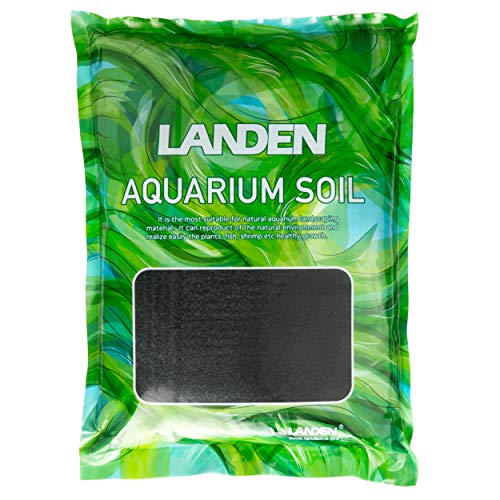
LANDEN Aqua Soil Substrate 5L

Ultum Nature Systems Controsoil 1 Liter

Aqua Natural Midnight Pearl Gravel 10lb

Seachem Fluorite Black Sand 7.7lb

YISZM Aquarium Sand Beige 2lbs

Hewnda Freshwater Planted Aquarium Substrate 2 LB

Aqua Natural Bio-Substrate Delta Sand 5lb

More Details On Our Top Picks
Galaxy Sand leans hard into visual contrast, with fine black grains that catch light instead of disappearing into the background. In a planted tank with bright greens, that darker base can make stems and hardscape feel more defined without demanding a busy layout.
The 20lb bag suits larger aquariums, or anyone building a deeper substrate bed for a broad scape. The trade-off is simple, dark sand shows detritus sooner than lighter material, so a tidy maintenance routine helps it stay sharp.
Strong Points
- Fine black grain gives plants and décor stronger contrast.
- The shimmer effect adds depth in well-lit tanks.
- 20lb coverage works better for bigger tanks than smaller bags.
- Useful for aquariums, vivariums, and terrariums with one visual theme.
Points To Note
- Dark sand tends to show debris more clearly.
- Fine material can shift during heavy water changes.
- Larger bag size may be more than a nano setup needs.
Feature Snapshot
Who It Suits Best
You’ll get the most out of this in a medium or large aquascape where dark substrate frames plants and driftwood. It also suits hobbyists who want a sand-first look without moving into a more technical planting base.
Where A Sibling Pick Shines
Aqua Natural Galaxy Sand 10lb is the neater fit for a smaller tank or a lighter material budget. It gives you the same style in a smaller footprint, which helps in compact setups.
This version keeps the same dark, sparkling look as the 20lb bag, but the smaller size makes it easier to place in modest tanks or a targeted redesign. In a desktop aquarium or a simple vivarium base, that lighter commitment is often the more sensible move.
The black background helps green plants and pale stones stand out, so your layout reads clearly even with simple décor. One thing worth considering is that smaller bags can disappear quickly in deeper beds, which matters more in larger aquariums than in compact builds.
What We Like
- Dark finish creates a clean visual base for plants.
- Fine grains support a smooth, consistent look.
- Smaller bag size suits compact aquariums and quick refreshes.
- Works across aquariums, vivariums, and terrariums.
Areas To Watch
- Coverage is more limited than the 20lb version.
- Fine sand may need gentle water flow during setup.
- Dark color can make leftover debris easier to spot.
At A Glance
Who Will Love This
Compact tanks, starter layouts, and smaller accent builds suit this bag best. It also makes sense for hobbyists who want the Galaxy Sand look without committing to a larger quantity.
Another Choice May Suit
Aqua Natural Galaxy Sand 20lb is the stronger match for bigger aquariums that need more coverage from the same visual style. That larger bag also suits planted layouts where substrate depth matters more.
LANDEN’s aqua soil is aimed at planted freshwater setups where a more technical base makes sense. Its porous structure matters because porous means the material has open spaces that help water move through it, which can support rooted plant growth and give shrimp tanks a more plant-friendly floor.
The black color keeps attention on foliage rather than the ground layer, and the 5L size is easy to handle in smaller to medium aquariums. The trade-off is that this kind of substrate asks for more planning up front, especially in layouts where you want a very even bed across a wider footprint.
Best Bits
- Made for planted freshwater aquariums and shrimp setups.
- Porous clay-gravel structure supports rooted planting layouts.
- Black color keeps the scene visually clean and focused.
- 5L size is manageable for smaller projects.
Softer Spots
- Technical aqua soil usually asks for more careful layout planning.
- Smaller quantity may not suit broad aquascapes.
- Dark substrate can make leftover debris easier to notice.
Core Details
Who Should Grab It
Freshwater planted tanks and shrimp keepers get the clearest fit here. It suits hobbyists who want an aquasoil-style base rather than a decorative sand layer.
Look Elsewhere When
Aqua Natural Galaxy Sand 20lb is the easier match for a bigger display tank that needs a broad decorative bed. That pick keeps the style simpler and asks for less planning than a technical planted substrate.
Controsoil is the most specialized option in this group, and that shows in its fine extra-fine texture and freshwater focus. It’s built for planted aquariums and shrimp tanks where the substrate does more than sit under the décor, because low ammonia means a reduced ammonia release compared with some newer soils, which can make setup feel steadier.
The 1 liter size suits nano builds, propagation trays, or a small section of a larger aquascape. The honest trade-off is that a premium-feeling substrate in a tiny package can run out fast once you start building depth, so bigger tanks need more than one bag.
Positives
- Extra-fine texture works well for delicate planted layouts.
- Freshwater focus lines up with planted and shrimp tanks.
- Low ammonia profile helps reduce setup stress.
- Volcanic ash content gives the material a technical feel.
Room For Improvement
- 1 liter goes a short distance in medium aquariums.
- Fine texture is less forgiving during messy rescapes.
- Works best in freshwater, so it’s a niche fit.
Technical Sheet
Built With In Mind
Nano aquariums, shrimp tanks, and plant propagation projects fit this substrate best. It also suits hobbyists who want a more technical base than a decorative sand layer.
Swap It Out When
LANDEN Aqua Soil Substrate 5L is the easier grab for a larger planted tank that needs more volume from a similar type of material. That option gives you more coverage without moving to a different style of base.
Midnight Pearl Gravel sits in the middle between decorative sand and heavier planted-tank soil, which makes it easy to place in a lot of setups. The 2 to 4 mm grain range gives the bed a small-pebble feel, so water can move through it more easily than through very fine sand.
Aqua Natural also describes it as triple washed and kiln dried, which points to a cleaner starting material and less loose debris out of the bag. Even so, gravel still needs a sensible rinse and gentle placement, especially in aquariums where you want the layout to stay neatly layered.
Highlights
- 2 to 4 mm grain size offers a balanced middle ground.
- Natural pebble look works in many aquascape styles.
- Triple washed and kiln dried for a cleaner start.
- Suitable for aquariums, vivariums, and terrariums.
Minor Gripes
- Gravel won’t have the planted-soil feel some setups want.
- Bag size may be modest for larger tanks.
- Cleaner-looking gravel still benefits from careful rinsing and placement.
Details At A Glance
Whose Shelf It Belongs On
You’ll like this most for mixed aquascapes that want a cleaner gravel look without going too technical. It also suits terrarium-style builds where a natural pebble finish feels right.
Where A Sibling Pick Shines
Seachem Flourite Black Sand fits better for a planted tank that needs a darker, more soil-like base. That option leans more heavily toward rooted aquarium plant layouts.
Fluorite Black Sand keeps things focused on planted-tank performance and a dark backdrop that flatters greenery. Compared with the more decorative Aqua Natural sands, this Seachem option feels more like a purpose-built base for rooted layouts than a purely visual layer.
The 7.7lb format suits smaller planted aquariums or a targeted zone in a larger scape. The practical catch is that a planted-tank substrate of this type works best when you’re clear on layout depth, since compact bags vanish quickly in broad builds.
Reasons To Buy
- Dark color gives rooted plants a clean visual frame.
- Focused planted-tank style suits aquascapes with live greenery.
- Smaller bag works well for compact projects.
- Good fit for hobbyists who want a dedicated substrate feel.
Trade Offs
- 7.7lb is limited for larger aquariums.
- Best results depend on a planted-tank layout.
- Dark substrate can make specks and debris stand out.
Feature Card
Made For
Planted-tank hobbyists who want a dark base in a compact quantity will get the most from this. It’s also a sensible fit for modest aquariums where you don’t need a large bag.
Reach For A Different Pick When
Aqua Natural Galaxy Sand 20lb is better for a bigger layout that needs more coverage and a more decorative feel. That pick is easier to scale across wider aquascapes.
This beige sand is the simplest pick in the group, and that simplicity is part of the appeal. It gives you a neutral base for a small tank, a craft project, or a vivarium floor where you want the substrate to stay in the background.
The 2lb format is easy to handle, especially for accent sections or compact setups that don’t need much material. The trade-off is obvious, smaller bags are not the right match for deep aquarium beds or larger planted layouts.
Bright Spots
- Beige color keeps the look soft and natural.
- 2lb size suits tiny layouts or accent use.
- Works in aquariums, vivariums, terrariums, and craft projects.
- Easy to store and easy to portion out.
Small Caveats
- Limited quantity narrows it to smaller jobs.
- More decorative than technical for rooted planting.
- Large tanks would need several bags.
Spec Overview
Who It Suits Best
Small tank owners and décor hobbyists get the clearest fit here. It also suits anyone who wants a neutral substrate without a large amount of material on hand.
Where Shoppers Go Wrong
YISZM’s 2lbs format can be too small for people planning a full aquarium floor. Aqua Natural Midnight Pearl Gravel is the better step up for a more substantial aquascape with a similar natural feel.
Hewnda is built around freshwater plant cultivation, so the focus is clearly on rooted growth rather than decoration alone. It uses black soil, and the source notes that the material is not meant to be cleaned in the usual way, which means a little extra care during setup helps keep the tank tidy.
Small impurities can be removed with gauze after water is added, so the first fill deserves patience. That makes this a sensible fit for planted tank hobbyists who are comfortable with a more hands-on start and want a substrate geared toward live plants.
Best Bits
- Made specifically for freshwater planted aquariums.
- Black soil base suits plant-forward layouts.
- 2 lb size fits compact planting projects.
- Impurities can be lifted out with gauze after filling.
Worth Noting
- Not designed for traditional rinsing or cleaning.
- Initial setup takes a steadier hand than sand.
- 2 lb quantity is limited for bigger tanks.
Feature Rundown
Right Fit For
Freshwater planted tanks and hobbyists who want a soil-style base fit this product well. It’s a practical choice for compact builds where live plants are the main goal.
Not Your Match When
Seachem Fluorite Black Sand fits better for someone who wants a more familiar planted substrate feel in a broader layout. That pick is the easier move for hobbyists who want less of a setup-learning curve.
Delta Sand takes a different route from the other sands here, since it comes wet and seeded with start-up bio-active nitrifying bacteria. That means the substrate is positioned for a tank start where you want the base material to arrive already tied to a more mature biological setup, not just as inert sand.
It still looks like sand, so the visual effect stays clean and understated. The trade-off is that a wet, bio-seeded substrate asks you to treat the package as a living start-up material, which is a better fit for careful hobbyists than for people who want a dry, rinse-and-pour approach.
Upsides
- Wet, seeded format supports a more prepared tank start.
- Sand texture keeps the look simple and natural.
- 5lb size suits smaller aquariums and targeted use.
- Good fit for setups that value a faster biological start.
Things To Consider
- Wet format is less convenient than a dry bag.
- Best suited to careful setup and handling.
- 5lb quantity may be small for larger aquariums.
Core Details
Made For
You’ll get the best match here in a fresh aquarium setup where biological support matters from the start. It also suits hobbyists who are comfortable working with a wet substrate straight from the bag.
Where Shoppers Go Wrong
Aqua Natural Galaxy Sand 10lb is the simpler choice for anyone who wants a standard dry sand format. That pick is easier to handle for basic decorative use.
Flourite Black is a planted-aquarium staple style substrate with a dark finish that helps live greenery stand out cleanly. Compared with the more decorative Aqua Natural sands, this one leans toward long-term aquascape use, so it feels more serious under rooted layouts.
The 7.7 lb bag is practical for smaller tanks or for expanding a planted section in a larger setup. It isn’t the lightest aesthetic option here, but that darker base can make the whole scape feel more settled once plants start filling in.
Positives
- Dark color frames planted layouts neatly.
- Planted-tank focus suits long-term aquascapes.
- 7.7 lb size works for compact builds.
- Good match for rooted plants rather than surface décor.
Honest Caveats
- Bag size is modest for bigger aquariums.
- Dark substrate makes detritus easier to spot.
- More of a planted base than a decorative sand.
Quick Facts
The Right Fit
You’ll like this most for rooted freshwater tanks that need a dark, steady-looking base. It also suits hobbyists who want a planted-tank substrate with a classic look.
Where A Sibling Pick Shines
Aqua Natural Midnight Pearl Gravel is better for a more natural pebble look and a softer decorative feel. That pick suits mixed aquascapes where visual texture matters more than a planted-soil style base.
How To Choose The Right Aquarium Plant Substrates
Match The Substrate To The Tank Style
Dark sand, gravel, and aqua soil solve different problems, so the first step is to decide whether your tank is decorative, planted, or somewhere in between. Decorative sands, like the Aqua Natural Galaxy line, mainly shape the look of the layout, while planted substrates such as LANDEN Aqua Soil or Seachem Flourite Black Sand are aimed at rooted growth and longer-term aquascapes. That difference matters because a substrate that looks great in a simple display can feel limiting once you start adding heavy plant mass.
Think About Grain Size And Maintenance
Fine sand gives a smooth finish, but it can show debris quickly and shift during strong water flow. Larger gravel, like Aqua Natural Midnight Pearl Gravel, tends to be easier to keep visually tidy, while extra-fine aqua soil can create a more planted-tank feel but asks for a steadier setup hand. For busy homes, the better choice is usually the one that fits your cleaning rhythm without turning every water change into a project.
Size Your Purchase To The Layout
Bag size should track the tank footprint, not just the label. A 2lb bag works for accents, nano tanks, and small test builds, while 10lb to 20lb bags make more sense for wider tanks or deeper beds. This is where the Aqua Natural Galaxy Sand 20lb stands apart from the 10lb version, because both look similar but serve very different coverage needs.
Choose For The Way Plants Grow
Rooted plants do better with substrates that give their roots room to hold and spread, which is why aquasoils and plant-focused bases keep showing up in planted tank setups. Wet, seeded options like Aqua Natural Delta Sand can also appeal to hobbyists starting a fresh tank, since they’re built around a more active startup process. For shrimp tanks and propagation tubs, a finer planted substrate often makes more sense than a purely decorative sand.
A Quick Reality Check
Common Shopping Slip Ups
A lot of setups go sideways because the substrate looks right but doesn’t match the job. Fine sand in a heavily planted tank can feel flimsy, while a technical aquasoil in a simple display can be more than you need. You also want to avoid buying too little, since shallow coverage often looks accidental and can leave glass edges exposed.
Why Top Tier Costs More
Higher-end aquarium plant substrates usually cost more because they’re more specialized in texture, sourcing, or startup behavior. Ultum Nature Systems Controsoil and Aqua Natural Bio-Substrate Delta Sand sit in that lane because they’re aimed at planted tanks, shrimp, or startup conditions rather than a plain decorative floor. You’re paying for a more exact job, not just a darker color.
Frequently Asked Questions
What makes aquarium plant substrates different from regular sand?
Plant substrates are shaped for rooted aquarium use, so they often focus on texture, plant support, or tank startup behavior. Regular sand is usually more about appearance and coverage than root performance.
Do dark substrates make plants stand out more?
Yes, dark bases usually create stronger contrast against green leaves and lighter hardscape. That effect is clear with black sands and black soil styles in this roundup.
Can you use these substrates outside aquariums?
Several of the sand and gravel options also work in vivariums or terrariums, depending on the product listing. Plant-focused aquasoils are more specialized for freshwater aquarium use.
Is finer substrate better for planted tanks?
Finer substrate can help create a smooth planted look, but it isn’t always the easiest to manage. Very fine material can shift more easily, so the right choice depends on your layout and maintenance style.
How much substrate do you need?
Coverage depends on tank footprint and how deep you want the bed. Small bags suit accents and nano tanks, while larger tanks usually need more volume than most 2lb or 5lb packs provide.
Closing Thoughts
You’ve got a clear spread here, from decorative sands to planted-tank soils, so the right choice comes down to how serious your aquascape needs to be. Galaxy Sand is the easiest route to a dramatic dark look, while LANDEN, Ultum Nature Systems, Seachem, and Flourite Black lean harder into rooted-plant use. For a first planted setup, the simpler options are easier to live with. For a more committed aquascape, the technical substrates earn their keep.
