

Aquarium salt is one of those small supplies that can shape the whole tank routine. The right blend depends on species, water type, and how closely you want to match a natural environment, so a reef setup and a freshwater community tank need very different handling. You’ll find reef mixes, cichlid blends, brackish formulas, and general freshwater options here, each suited to a specific job.
The Shortlist At A Glance

Seachem Cichlid Lake Salt 1 Kilograms

Red Sea Coral Pro Reef Salt Mix Large Bucket

Fritz Aquatics 80243 Reef Pro Mix Complete Marine Salt

Coralife BioCube Aquarium Fish Tank Marine Salt 15 Gallon

Coralife BioCube Aquarium Fish Tank Marine Salt 30 Gallon

Seachem Brackish Salt 300 g / 10.6 oz

Brightwell Aquatics NeoMarine Marine Salt Blend 16-GAL

Tetra Aquarium Salt for Freshwater Fish Tanks 16 Ounces
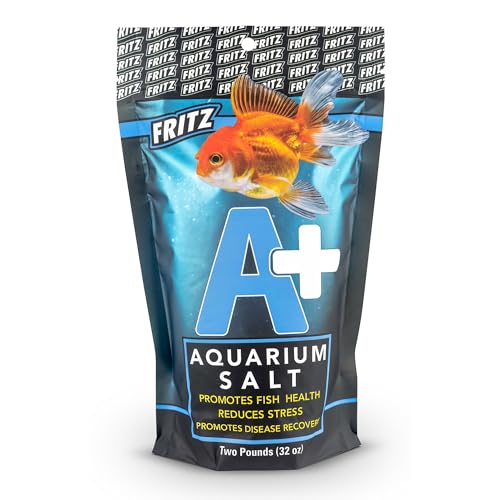
Fritz Aquatics A+ Aquarium Salt Treatment for Freshwater Fish 2 lbs

Cichlid Lake Salt 500 g / 1.1 lbs
More Details On Our Top Picks
Seachem’s blend is built around Rift Lake African cichlid conditions, so it speaks directly to tanks that need more than generic aquarium salt. The mix includes major minerals such as magnesium, calcium, sodium, and potassium, plus trace elements like iron, aluminum, and iodide, which matters because cichlids come from mineral-rich water rather than a plain freshwater setup.
You may find the 1-kilogram size easiest to manage for a dedicated cichlid tank or a smaller fish room rack. The honest trade-off is focus, not flexibility, since this is aimed at one kind of environment rather than a broad mix for mixed community tanks.
Strong Points
- Matches Rift Lake cichlid needs closely.
- Includes both major and trace minerals.
- Useful for tanks built around African cichlids.
- Simple 1-kilogram format for storage.
Small Caveats
- Not a broad-purpose freshwater salt.
- Works best in a species-specific setup.
- Mineral-heavy blends ask for careful dosing habits.
Feature Snapshot
Who It Suits Best
Dedicated African cichlid keepers who want a mineral-oriented salt blend will get the most from this one.
Where A Sibling Pick Shines
Seachem Cichlid Lake Salt 500 g / 1.1 lbs suits smaller setups or hobbyists who want the same type of formula in a lighter jar.
Reef tanks ask a lot from the salt mix, and this Red Sea bucket is aimed squarely at corals that rely on surrounding water for major, minor, and trace elements. That makes it a strong match for keepers who want a mix built around coral growth and long-term tank stability rather than a basic marine blend.
The large bucket format fits steady reef maintenance, especially in homes with a bigger display or frequent water changes. The trade-off is obvious, though, because a large container takes more storage room and makes less sense for a compact nano tank or a new hobbyist still learning a system.
What We Like
- Built around coral-focused mineral needs.
- Large bucket suits regular saltwater changes.
- Good fit for mature reef systems.
- Useful for homes with higher tank turnover.
Points To Note
- Large format asks for shelf space.
- Less practical for small or casual setups.
- Geared toward reefs, not general freshwater use.
Technical Sheet
Who Will Love This
Reef keepers with established coral systems will appreciate the focused formula and the larger container.
Look Elsewhere When
Fritz Aquatics 80243 Reef Pro Mix Complete Marine Salt suits a reef keeper who wants a similarly marine-focused blend in a different capacity and packaging style.
This Fritz mix stands out for reef keepers who think in terms of volume, not tiny one-off batches. A 200-gallon marine salt format fits planned water changes, and that matters in a home reef where consistency is worth more than flashy packaging.
The listing also notes shipping from SaltwaterAquarium and 30-day easy returns, which gives the product a practical feel for online ordering. The trade-off is that the source data gives fewer performance details than the Red Sea blend, so your decision leans more on capacity and convenience than on a deep feature set.
Highlights
- Large batch size supports routine maintenance.
- Strong fit for marine aquarium changes.
- Simple choice for reef owners who mix often.
Worth Noting
- Feature details are lighter than some picks.
- Less tailored for tiny aquariums.
- Storage needs rise with larger salt formats.
Core Details
Best Suited To
Reef hobbyists who mix in larger batches and want a straightforward marine salt bag or bucket will get the cleanest fit here.
Swap It Out When
Red Sea Coral Pro Reef Salt Mix Large Bucket suits you better when coral-focused mineral support matters more than capacity alone.
Small marine systems are where this Coralife option makes the most sense, especially for a BioCube setup that doesn’t need bulk mixing. A 15-gallon format keeps the purchase compact, which is handy for hobbyists who store salt in a cabinet or mixed-use shelf.
The limited size is also the trade-off, since a smaller container can feel too narrow for tanks that need regular, larger water changes. That said, it keeps the product focused on simple, space-conscious maintenance rather than big-batch reef work.
Best Bits
- Compact size suits smaller marine tanks.
- Easy to store in tight spaces.
- Good match for BioCube-style setups.
Areas To Watch
- Small format can run out quickly.
- Less practical for larger water changes.
- Better for niche use than broad reef planning.
Details At A Glance
Who Should Grab It
You’ll get the most value from this salt in a compact marine tank where storage space and batch size both matter.
Another Choice May Suit
Coralife BioCube Aquarium Fish Tank Marine Salt 30 Gallon fits better for owners who need the same family of product in a larger format.
The 30-gallon version keeps the same BioCube-minded approach, but the extra capacity gives you more breathing room for routine salt mixing. That makes it a sensible middle ground for hobbyists who like the Coralife format yet want a bit more volume than the 15-gallon size offers.
For a home reef or a lightly stocked marine tank, the balance feels practical rather than fussy. The catch is that it still stays fairly specific to its tank family, so keepers running larger reef systems may prefer a broader marine mix.
Plus Points
- More capacity than the 15-gallon version.
- Still compact enough for home storage.
- Good middle step for BioCube owners.
Softer Spots
- Still aimed at a narrow tank family.
- Not the best match for large reef setups.
- More salt means more shelf space needed.
Quick Facts
The Right Fit
Home marine keepers who want a compact but less cramped salt format will appreciate this one.
Where A Sibling Pick Shines
Coralife BioCube Aquarium Fish Tank Marine Salt 15 Gallon suits smaller spaces or lighter maintenance schedules better.
Brackish tanks sit in the middle of freshwater and marine care, and that’s exactly where this Seachem mix earns its place. A 300 g jar is a tidy size for aquarists who work with estuary-style setups and need a more controlled formula than a broad household aquarium salt.
You’ll likely appreciate the smaller package for storage, especially in a hobby corner where every shelf already has nets, conditioners, and test gear. The trade-off is volume, because a compact jar is better for targeted use than for repeated large-batch mixing.
Reasons To Buy
- Suited to brackish-water setups.
- Compact jar is easy to store.
- Good for controlled, specialized mixing.
Room For Improvement
- Small jar limits total coverage.
- Specialized formula narrows the use case.
- Large systems may need more than one container.
Feature Card
Built With In Mind
Brackish aquarium keepers who want a small, purpose-built salt jar should find this format easy to work with.
Reach For A Different Pick When
Seachem Cichlid Lake Salt 1 Kilograms makes more sense for freshwater cichlid tanks that need a broader mineral blend.
Brightwell’s NeoMarine mix is shaped for reef aquariums, but the 16-gallon format gives it a starter-friendly angle too. That makes it a neat fit for someone setting up a saltwater tank for the first time and wanting a manageable mix size before committing to a large bucket.
The shorter capacity keeps storage simple, yet it also means less reach for larger tanks or frequent heavy water changes. In most homes, that’s a fair trade, since many starter reef systems just need a clean, manageable salt blend that does not dominate the shelf.
Best Bits
- Starter-friendly reef salt format.
- Compact enough for easier storage.
- Useful for new saltwater setups.
Things To Consider
- Smaller capacity may not suit larger tanks.
- Less practical for heavy water-change routines.
- Reef-focused use keeps it specialized.
Core Details
Whose Shelf It Belongs On
New saltwater hobbyists and smaller reef keepers will appreciate the compact size and clear marine focus.
Not Your Match When
Red Sea Coral Pro Reef Salt Mix Large Bucket suits larger coral systems that need a more expansive supply.
Tetra keeps this one straightforward for freshwater tanks, including tropical fish and goldfish setups. The 16-ounce size makes sense for everyday care, especially in a home tank where you want a simple salt supply without handling a bulky container.
The broad freshwater angle is the main appeal, but it also means this isn’t the pick for reef or cichlid-specific needs. That limitation is fine for many casual keepers, because a general freshwater salt often needs to be easy to store and easy to reach.
Upsides
- Simple freshwater-friendly format.
- Works for tropical and goldfish tanks.
- Small container is easy to tuck away.
Minor Gripes
- Not built for marine systems.
- Small size may need replacing often.
- General-purpose use keeps it less specialized.
Feature Rundown
Who Should Grab It
Freshwater keepers who want a modest, easy-to-store salt option will find this one straightforward.
Skip It When
Fritz Aquatics A+ Aquarium Salt Treatment for Freshwater Fish is the better match for someone who wants a fuller freshwater treatment format.
This Fritz formula lands in the practical middle, with enough weight for home freshwater maintenance without drifting into oversized territory. A 2-pound container is a sensible shape for people who keep one or two tanks and want a salt treatment that feels easy to store.
Compared with Tetra’s smaller 16-ounce jar, this option gives you a bit more breathing room before restocking becomes part of the routine. The trade-off is simple, since it still stays squarely in freshwater territory and does not try to cover reef or brackish setups.
Positives
- Good size for home freshwater use.
- Offers more volume than tiny jars.
- Fits routine aquarium maintenance well.
- Easy to store on a shelf.
Areas To Watch
- Freshwater focus limits its reach.
- Not a marine or reef salt.
- Mid-size format may still feel modest for large tanks.
Spec Overview
Made For
Household freshwater keepers who want a balanced, easy-to-manage salt treatment should feel comfortable with this format.
Where Shoppers Go Wrong
Tetra Aquarium Salt for Freshwater Fish Tanks is the simpler pick for smaller tanks or very light storage needs.
This Seachem blend echoes the larger Cichlid Lake Salt formula, but the 500 g size is friendlier for smaller tanks or cautious first orders. It still points at African cichlid environments and keeps the mineral profile centered on calcium, magnesium, sodium, and potassium.
One useful detail is that the formula affects hardness rather than alkalinity or pH, which helps you understand what it is meant to change and what it leaves alone. For cichlid keepers who want a tighter package than the 1-kilogram version, this one keeps the same direction in a smaller jar.
Standout Traits
- Targets African cichlid environments.
- Hardness-focused rather than broad chemistry change.
- Compact size helps with storage.
- Useful for smaller setups or trial runs.
Honest Caveats
- Smaller size means less total supply.
- Still narrow in tank compatibility.
- Best used with deliberate dosing habits.
Feature Rundown
Who It Suits Best
Cichlid keepers who want a smaller jar for targeted freshwater mineral management will find this size handy.
A Better Fit Elsewhere
Seachem Cichlid Lake Salt 1 Kilograms suits larger African cichlid setups that need more product on hand.
How To Choose The Right Aquarium Salts
Match The Salt To The Water Type
Freshwater, brackish, and marine tanks call for different salts, and that separation matters more than brand name alone. A cichlid blend is built for mineral-rich freshwater, while a reef mix is shaped around coral needs and marine chemistry. You’ll avoid a lot of trouble by starting with the fish and the environment, not the container size.
For a mixed community freshwater tank, a general freshwater salt usually makes more sense than a reef formula. For a saltwater reef, the mix should support trace and major elements rather than just acting like simple aquarium salt. That’s the first filter worth using.
Think About Tank Size And Routine
Small jars fit hobbyists with a single tank, tight storage, or lighter maintenance habits. Larger buckets suit people who do regular water changes on a reef or keep multiple systems running. Capacity shapes convenience, and convenience tends to shape whether the product feels pleasant to use every month.
A 16-ounce container may be enough for a compact freshwater tank, but a large reef bucket becomes more sensible once the water changes get bigger. The right size is the one that matches your actual routine, not the one that sounds impressive on paper.
Look For The Chemistry Clues
Some aquarium salts are broad, while others are built around a tighter mineral profile. Terms like hardness, trace elements, and major minerals tell you what the product is meant to influence in the water. Hardness refers to dissolved calcium and magnesium, which matter to many cichlid setups.
A salt that only changes one part of the water chemistry can be useful, but it needs to match your tank goals. That’s why a product that affects hardness only, for example, belongs in a very different tank than a marine mix meant for coral support.
Pay Attention To Storage And Handling
Big buckets are practical, but they take space and can be awkward in a crowded fish room. Smaller jars are easier to lift, seal, and tuck away. For many home setups, the best choice is the one you can store cleanly and measure without fuss.
Packaging also matters for consistency over time. A container that fits your shelf and your measuring habits helps keep routine maintenance simple, which is usually what keeps aquariums steady.
Things Worth Knowing First
Hidden Buying Traps
One common slip-up is grabbing a salt that matches the tank style in name only. A reef salt will not act like a freshwater treatment, and a cichlid blend will not replace a marine mix. Check the intended water type first, then move to capacity and packaging.
Another easy miss is underestimating storage. A large bucket sounds efficient until it crowds your maintenance area, especially in a small apartment or under a stand with limited room.
The Upgrade Payoff
Higher-tier aquarium salts usually cost more because the formulas are more targeted and the blends are built with tighter element profiles. Reef mixes often aim at major, minor, and trace balance, while species-specific salts may focus on a particular habitat chemistry. That kind of precision takes more from the formula itself.
The upgrade makes sense for reef keepers, African cichlid hobbyists, and anyone trying to keep water conditions closer to a natural niche. For a casual freshwater tank, a simpler blend often does the job without extra complexity.
Frequently Asked Questions
Do aquarium salts work the same way in every tank?
No, the right salt depends on whether the tank is freshwater, brackish, or marine. A product built for cichlids or reef systems serves a very different purpose from a general freshwater salt.
Is a larger container always the better choice?
Not necessarily, because storage space and how often you mix water matter a lot. A smaller jar can be more practical for a single home tank, while larger buckets suit regular reef maintenance.
Can one salt cover freshwater and reef use?
That usually is not the right fit, since those tank types need different chemistry support. A freshwater salt and a reef mix are built around different goals.
Why do some salts mention hardness only?
Hardness refers to dissolved minerals such as calcium and magnesium. A hardness-focused product is meant for a specific chemistry change, not a full all-purpose water treatment.
What size should a first-time hobbyist start with?
A smaller container is often easier to store and manage for a first setup. That gives you enough product to learn the routine without taking up too much space.
Closing Thoughts
The right aquarium salt makes tank care feel calmer, not more complicated. Once you match the formula to the water type, the species, and the amount of mixing you actually do, the rest gets much easier. Reef keepers, cichlid keepers, and freshwater hobbyists all need different things here, so a narrow fit is often better than a broad promise. Choose the salt that lines up with your tank’s real routine, and your maintenance schedule will thank you.
