

Planted tanks live or die by the material under the waterline, because roots need the right grip, stability, and long-term support. You also want a substrate that suits your layout, whether you’re building a dark scape, a brighter sand bed, or a layered setup for shrimp and plants. This roundup keeps the focus on practical fit, not flashy claims.
Some picks lean toward clean-looking gravel, others favor nutrient-rich soil, and a few sit in the middle for mixed-use tanks. That mix matters, since the right base can make weekly upkeep feel orderly instead of fussy.
The Shortlist At A Glance

Aqua Natural Galaxy Sand, 20lb
Aqua Natural Galaxy Sand, 10lb
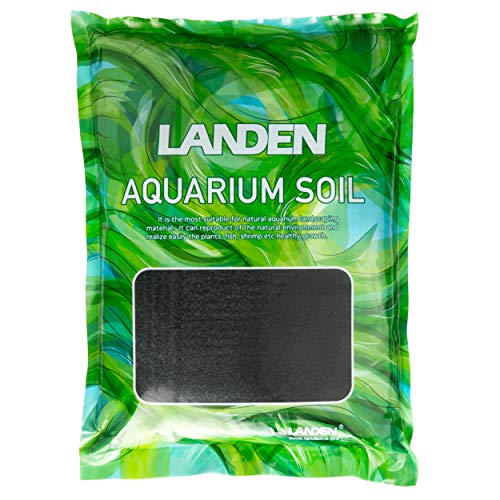
LANDEN Aqua Soil Substrate 5L

Aqua Natural Midnight Pearl Gravel, 10lb

Seachem Fluorite Black Sand Substrate, 7.7lb

YATOJUZI Fluorite Aquarium Gravel Rocks, 0.44lb

Hewnda 2 LB Freshwater Planted Substrate

Aqua Natural Bio-Substrate, Delta Sand, 5lb

Aqua Natural Gold Pearl Gravel, 20lb

Aqua Natural Bio Substrate and Dry Kit, Diamond Black
More Details On Our Top Picks
The fine black sand gives a planted tank a darker floor, which helps green stems and pale stone accents stand out. In a room with strong light, the shimmer can add movement without making the layout feel busy.
That look works especially well for aquascapes that lean modern or dramatic, and it suits tanks where the substrate is part of the visual design. The trade-off is simple, darker sand can show debris more clearly, so regular surface cleaning matters.
Strong Points
- Fine grain creates a smooth, even base for clean-looking layouts.
- The dark color gives plants and hardscape stronger contrast.
- Its shimmering finish can add depth in bright tanks.
- Twenty pounds suits larger display tanks better than the smaller Galaxy Sand option.
Things To Consider
- Dark sand may show leftover food and mulm more quickly.
- Very fine grains can be easier to disturb during heavy rescapes.
Feature Snapshot
Whose Shelf It Belongs On
You benefit most from this pick if you want a dark, polished planted tank with a tidy surface and broad coverage. It fits layout-focused hobbyists who care as much about the look of the base as the plants above it.
A Better Fit Elsewhere
Aqua Natural Galaxy Sand, 10lb suits smaller aquariums better, especially desktop tanks where 20 pounds would feel excessive.
This smaller Galaxy Sand bag keeps the same dark, reflective look as the 20-pound version, but with less material to handle. For nano tanks, or a refresh in a single aquascape section, that lighter lift can feel more practical.
The black background also helps stems and driftwood pop, which is handy in tanks where you want the planting to do the visual work. The honest read is that smaller bags are easier to store, yet you may need more than one for bigger footprints.
What We Like
- Compact size suits smaller planted tanks and patch repairs.
- The dark tone gives layouts a cleaner, deeper backdrop.
- Fine sand spreads evenly across the tank floor.
Minor Gripes
- Smaller volume means it may not cover wide tanks on its own.
- The fine texture can cloud the water briefly during setup.
Core Details
Who It Suits Best
You get the most from this one in a smaller planted aquarium where a full 20-pound bag would be more than you need. It also works well for hobbyists who like the Galaxy Sand look but want a tighter, easier-to-store package.
Swap It Out When
Aqua Natural Galaxy Sand, 20lb makes more sense for larger tanks, since it gives you the same finish with far more coverage.
Compared with the sand-based picks above, this one moves into true planted-tank territory with a clay-gravel style soil designed for roots. That matters in a tank full of stem plants, carpeting plants, or shrimp-friendly layouts where you want a more plant-oriented base.
The porous structure should appeal to hobbyists who want a substrate that feels more like a growing medium than a decorative topping. The trade-off is maintenance planning, because soil-style substrates often ask for a little more care during setup and scaping.
Highlights
- Built for planted aquariums rather than purely decorative use.
- Clay-based structure can support rooted growth more naturally.
- The black color gives the layout a deep, tidy look.
- Works well for shrimp tanks and plant-dense tanks alike.
- Five-liter packing is handy for targeted planting zones.
Areas To Watch
- Soil-style material tends to need more careful filling and planting.
- Black substrate can make leftover debris more visible.
Technical Sheet
The Right Fit
This suits you best when your tank plan is plant-first and you want a substrate that feels built for rooted growth. It’s a strong match for aquascapers who don’t mind a little extra setup care in exchange for a more specialized base.
Another Choice May Suit
Hewnda 2 LB Freshwater Planted Substrate makes more sense for a simpler starter setup, especially when you want a smaller, more basic amount of planting medium.
This gravel shifts the focus away from ultra-fine sand and toward a tidier, pebble-style base. The 2 to 4 mm size gives you enough texture to keep the floor from looking flat, which can work nicely in mixed planted and decorative tanks.
The triple-washed, kiln-dried treatment is useful for anyone who wants a cleaner-feeling substrate straight out of the bag. You still need to rinse and place it carefully, though, because pebble-style gravel is less forgiving than fine sand when you change the layout later.
Best Bits
- The 2 to 4 mm grain size gives a stable, natural look.
- Washed and dried processing helps reduce mess during setup.
- The neutral dark tone works in planted and mixed tanks.
Points To Note
- Gravel won’t behave like nutrient-rich soil for root-heavy plantings.
- Changing the scape later takes more effort than with sand.
- Bright tank lights can reveal dust and debris sooner.
Details At A Glance
Built With In Mind
You’ll like this most in tanks where you want a clean, grounded look without moving into soil-style substrate. It suits hobbyists who prefer a straightforward gravel base and don’t need the richer planting support of a clay medium.
Look Elsewhere When
LANDEN Aqua Soil Substrate 5L fits better for root-heavy planted tanks, especially when plant growth matters more than gravel texture.
Where the earlier Aqua Natural sands lean decorative, this one leans harder into a planted-tank build with a black sand format. That makes it a sensible match for aquarists who want a darker bed without switching to a full soil substrate.
Its smaller 7.7-pound pack is easier to handle in compact tanks or in a single section of a larger layout. The catch is that modest volume can mean extra planning for broader aquascapes, so you’ll want to match the bag to the footprint before you start.
Upsides
- Black sand gives the tank a sharper planted look.
- The format works well in compact or focused scapes.
- Seachem’s substrate line has a familiar planted-tank reputation.
- Smaller pack size is easier to store and pour.
Softer Spots
- Limited volume may be too small for larger footprints.
- Black sand can make detritus easier to spot.
Feature Card
Who Should Grab It
This makes sense for planted tanks that need a clean dark base and do not require a huge amount of material. It’s especially fitting for compact tanks where storage space and handling matter just as much as appearance.
Reach For A Different Pick When
Aqua Natural Galaxy Sand, 20lb suits larger aquariums better, since it gives you the same visual style with far more coverage.
Compared with the main substrate options, this is more of an accent material than a full planted-tank base. That makes it useful for spot details around hardscape, planters, or a small decorative section where you want texture more than coverage.
The tiny 0.44-pound amount tells you the job here is limited, and that’s fine for a niche display role. One thing worth considering is storage, since a small decorative pack is easier to tuck away but not suited to covering an entire tank floor.
Bright Spots
- Small pack is handy for accent work and detail zones.
- The tumbled stone look adds texture near decor pieces.
- Works across aquariums, planters, and vase-style displays.
Small Caveats
- Volume is too small for a full planted substrate bed.
- The decorative focus makes it less useful as a root medium.
Quick Facts
Whose Shelf It Belongs On
This fits you best when you want a small decorative accent instead of a complete planted-tank floor. It works for display builders who like to place texture around focal points, not under a broad root zone.
Skip It When
Hewnda 2 LB Freshwater Planted Substrate is the better call for a real planted tank base, since it’s aimed at substrate coverage rather than decoration.
This is the plainest planted-substrate option in the group, and that can be a virtue for a starter build. It’s meant for freshwater planted aquariums, so the focus stays on getting a basic planting medium in place without extra fuss.
The source notes that the black soil contains some impurities and isn’t meant to be cleaned in the usual way, though loose bits can be removed with gauze after adding water. That means you should expect a more hands-on setup phase, especially in a new tank where you want the surface to settle cleanly.
Reasons To Buy
- Simple planting medium for freshwater tanks.
- Small size makes it easy to handle in starter builds.
- Black color helps anchor the look of a basic aquascape.
Room For Improvement
- The material is not designed for a polished, pre-cleaned setup.
- Loose impurities mean you may spend extra time tidying after filling.
Feature Rundown
The Right Fit
You’re in the sweet spot for this pick when you’re setting up a modest planted tank and want a basic substrate without overcommitting to a larger bag. It also suits tinkerers who don’t mind a little cleanup during installation.
A Better Fit Elsewhere
LANDEN Aqua Soil Substrate 5L works better for hobbyists who want a more developed clay-style planting medium with a stronger planted-tank profile.
This one stands apart because the sand arrives wet and seeded with startup nitrifying bacteria, which is a very different setup profile from the dry sands above. For a new tank, that can make the first stretch of setup feel more streamlined, especially when you want a substrate that begins with some biological support already in place.
The obvious trade-off is that wet substrate needs a little more care during handling and storage, so it’s less convenient than a dry bag you can forget on a shelf. In most home setups, that’s a fair exchange for the convenience of starting with seeded sand instead of plain material.
Plus Points
- Wet, seeded sand gives the setup a more specialized start.
- Useful for new tanks that need an easier opening phase.
- The sand format is still familiar and easy to shape.
Honest Caveats
- Wet packaging asks for more careful storage.
- It is less flexible than a dry substrate if you want to stash leftovers for later.
Spec Overview
Who Will Love This
You’ll appreciate this most if you’re setting up a new freshwater tank and want sand that brings more than just appearance. It suits hobbyists who are comfortable handling wet media and want a more guided start.
Where A Sibling Pick Shines
Aqua Natural Galaxy Sand, 10lb is the easier choice for hobbyists who want a dry, straightforward sand without the extra handling that wet substrate brings.
The Gold Pearl Gravel version takes the cleaner, pebble-style approach and gives you more of it in a large 20-pound bag. That makes it a practical match for broader tanks, where coverage matters as much as appearance.
Its triple-washed, kiln-dried finish is a useful sign for anyone who dislikes messy setup days, though you still want to handle any gravel bed with care. Compared with the black Galaxy sands, this one feels lighter visually, which can suit tanks that need a brighter floor rather than a dramatic one.
Highlights
- Large bag size suits wider aquariums.
- Washed and dried processing helps keep the setup cleaner.
- Natural pebble look works in planted or mixed layouts.
- Gold tone gives the tank a brighter floor than black substrates.
Worth Noting
- It is gravel, so it won’t behave like nutrient soil.
- Bright tones can make some debris easier to see.
Core Details
Who It Suits Best
This is a solid match for you if your planted tank needs broad gravel coverage and you prefer a lighter visual tone. It also suits setups where you want a low-fuss base that still looks finished.
Where Shoppers Go Wrong
LANDEN Aqua Soil Substrate 5L is the better choice for root-heavy planted tanks, because gravel like this is more about appearance and coverage than plant nutrition.
This kit is the most flexible entry in the group because it combines bio substrate with a dry substrate format for new or established tanks. That makes it appealing to anyone who wants a more complete substrate setup without stitching together separate bags from scratch.
The black Diamond finish keeps the look cohesive, and the two-part approach can be handy for fresh builds that need a more layered foundation. The trade-off is that kits tend to ask a little more planning up front, though that’s usually the price of getting more structure in one package.
Best Bits
- Two-part kit supports both new and established aquariums.
- Black finish gives the tank a unified look.
- Helpful for hobbyists who want a more complete setup in one product.
Minor Gripes
- Planning the layout takes more thought than with a single substrate bag.
- It may feel like more material than a tiny tank needs.
At A Glance
Made For
You’re the best match for this kit if you want a more layered substrate approach and prefer to set up once instead of piecing things together later. It suits both beginners who want structure and experienced hobbyists who like building a tank with more intent.
Where Shoppers Go Wrong
Aqua Natural Galaxy Sand, 10lb is the better match for a simple, compact tank where a kit would feel like overkill.
How To Choose The Right Aquarium Substrates For Planted Tanks
Match The Substrate To The Plants
Root-heavy plants need more than a pretty surface, they need something that lets roots settle and spread. Soil-style substrates, like clay or porous planting media, usually suit that job better than plain decorative gravel.
Sand and gravel still have a place, especially in tanks where the planting is lighter or the design leans hard on hardscape. The key is simple: choose the base that supports the plants you plan to grow, not the look you wish the tank could have.
Think About Maintenance Before Setup
Fine sand gives a clean visual line, but it can show debris quickly and may need more surface care. Gravel is easier to keep looking tidy in some layouts, though it gives you less of that soft, planted feel.
Wet substrates and soil blends also call for more careful handling during filling. That trade-off can be worth it in a mature aquascape, yet a beginner often gets more comfort from a dry substrate that’s easier to store, pour, and adjust.
Balance Appearance With Tank Size
Small aquariums usually benefit from smaller bags, because excess substrate can crowd the layout and waste space on storage. Larger tanks need enough volume to build depth, slopes, and planting zones without making the floor look thin.
Color matters too. Dark substrates sharpen contrast and make greenery stand out, while lighter gravel gives the tank a brighter, more open feel.
Choose For The Way You Keep The Tank
Daily care habits should guide the final choice. A tank that gets frequent rescapes may do better with a substrate that’s easy to shift, while a more settled display can support a specialized soil bed.
Shrimp keepers often appreciate fine, stable surfaces, while mixed community tanks can handle broader gravel formats. In practice, the right match is the one that fits your routine as well as your plants.
What To Weigh Before You Decide
Common Shopping Slip Ups
One common mistake is choosing by color alone and forgetting how the substrate supports plant roots. Another is buying a bag that looks right on paper but falls short once the tank footprint is measured out.
You also want to avoid mixing decorative accent stones with full substrate needs. A tiny tumbled-stone pack can brighten a focal area, but it won’t replace a planting medium.
What The Higher Tier Buys
Higher-tier substrate usually gives you better material handling, more specialized structure, or a more thoughtful blend for planted growth. Wet seeded sand, clay-based media, and layered kits all add convenience or support that basic gravel does not.
That extra structure matters most in tanks where plant growth, stability, and a polished layout all have to work together. For a simple display, a plain bag may be enough, but a more ambitious aquascape often benefits from the upgrade.
Frequently Asked Questions
What kind of substrate works best for planted tanks?
Soil-style substrates are usually the strongest match for root-heavy plants. Sand and gravel can still work well for lighter planting or mixed decorative layouts.
Does dark substrate help plants grow better?
Dark substrate does not automatically help growth, but it can make plant color stand out more clearly. The main value is visual contrast, not plant nutrition.
Can you use gravel in a planted aquarium?
Yes, gravel works well in many planted tanks, especially when the planting is moderate. It just gives you less root support than a dedicated soil medium.
What size bag should you choose?
Match the bag to your tank footprint and the depth you want. Small tanks usually need compact bags, while larger layouts call for more volume.
Is wet substrate harder to handle than dry substrate?
Wet substrate usually needs more care during storage and setup. The upside is that it can arrive in a more active, ready-to-use state.
Closing Thoughts
The right substrate shapes both the look and the rhythm of a planted tank, so it pays to choose with your routine in mind. Dark sands suit sharp, high-contrast layouts, while soil-style media make more sense for planted growth that starts at the roots. Gravel lands in the middle for hobbyists who want a cleaner, more traditional base. Pick the material that fits your plants, your maintenance habits, and the size of your tank, and the rest of the scape tends to fall into place.
