

Searching for a baby sleeping bag for toddler boys often turns into a trade-off between comfort, coverage, and how easy the gear is to live with day after day. Some families need a wearable blanket for warmer nights, while others want a nap mat that handles school, daycare, travel, or sleepovers without turning into a hassle. The picks below focus on real use, not flashy extras.
You’ll see a mix of sleep sacks, toddler sleepwear with legs, and a few nap mats and camping-style bags. That spread matters, because the right choice for a nursery crib is very different from the right choice for a preschool cot or a family trip.
The Shortlist At A Glance

Jay Franco Kids Nap Mat with Embedded Pillow & Blanket 46″x20″

Baby Sleep Sack 0-6 Months, 100% Cotton TOG 0.5, 3 Pack

tuphen Kids Sleeping Bags with Carry Bag
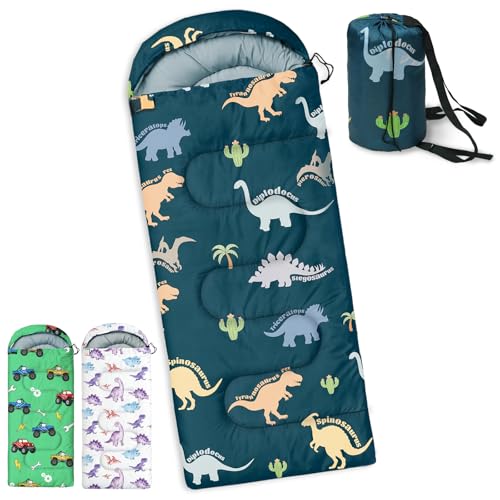
tuphen Kids Sleeping Bags with Carry Bag

tuphen Kids Sleeping Bags with Carry Bag

tuphen Kids Sleeping Bags with Carry Bag
Lictin Baby Sleep Sack 0.5 Tog, 2 Pack
HOMEAL Toddler Sleep Sack with Legs, 1.0 TOG

PRIMLECT Toddler Nap Mat with Pillow, 55″x35″
More Details On Our Top Picks
This nap mat makes the most sense for school routines, travel days, and sleepovers where you want one piece that rolls up and carries cleanly. The embedded pillow and blanket keep the setup simple, and the 46 by 20 inch footprint gives a child a familiar place to settle without extra loose bedding.
The microfiber shell should feel softer than the camp-style bags later in this list, which matters more in a classroom cot than on a trail. The trade-off is obvious, though, it’s built for indoor rest and convenience, not for weather exposure or long outdoor trips.
What We Like
- Built-in pillow and blanket simplify packing.
- Handle makes carry-in and carry-out easier.
- Name tag helps school settings stay organized.
- Microfiber construction suits indoor nap use well.
Points To Note
- It’s better suited to indoor rest than outdoor rough use.
- The playful character options narrow the style choice.
Feature Snapshot
Who It Suits Best
Young children who need a simple nap mat for daycare, preschool, or overnight visits fit this one well.
Where A Sibling Pick Shines
PRIMLECT Toddler Nap Mat with Pillow works better for families who want a much larger mat with a detachable blanket and more room to spread out.
For newborn routines, this set leans hard into simplicity: cotton, a light 0.5 TOG weight, and a three-pack format that helps you rotate through changes without scrambling. The two-way zipper is the part that matters most in daily life, because diaper changes are easier when you don’t need to strip the whole layer off.
Compared with the Jay Franco nap mat, this is a far more nursery-specific choice, and that’s the point. The wider bottom gives extra leg room, which should help active little sleepers move more naturally, though the fit window is narrow because it’s aimed at 0 to 6 months.
Highlights
- 0.5 TOG weight suits warmer sleep environments.
- Two-way zipper supports faster diaper changes.
- Three-pack setup helps with rotation and laundry timing.
- 100% cotton is straightforward for daily nursery use.
Areas To Watch
- Age range is limited to early infancy.
- Lightweight build may feel too airy in cooler rooms.
- Care rotation matters more because it’s a three-pack, not a larger bundle.
Core Details
Made For
New parents and caregivers who want a light, simple sleep sack set for warm nursery use will get the most from it.
A Better Fit Elsewhere
Lictin Baby Sleep Sack 0.5 Tog is the better match for toddlers 18 to 36 months who need a sleeveless wearable blanket with adjustable length.
This is the first item that really steps outside nursery life and into travel gear. A compact sleeping bag with a carry bag makes sense for camping, backpacking, and family trips, especially because lightweight gear matters once it’s being packed with snacks, clothes, and shoes.
Compared with the sleep sacks above, this one is about mobility and outdoor flexibility rather than snug wearable coverage. The waterproof angle and three-season use case give it wider range, though you’ll want to think about how much warmth your child actually needs before picking a camp bag for regular home naps.
Strong Points
- Carry bag makes packing and storage cleaner.
- Lightweight design fits travel and backpacking routines.
- Three-season range broadens the practical use window.
- Water-resistant build suits outdoor settings better than indoor-only mats.
Soft Spots
- Outdoor styling makes it less home-nursery friendly.
- Warmth needs can vary a lot by campsite conditions.
- It asks for more storage discipline than a nap mat.
Technical Sheet
Best Suited To
Traveling families and young campers who need an easy-to-pack outdoor sleeping bag will appreciate this format.
Swap It Out When
Jay Franco Kids Nap Mat with Embedded Pillow & Blanket fits preschool and indoor nap routines better because it brings a built-in pillow and a softer classroom-friendly shape.
This tuphen version sits close to the previous camping pick, so the real question is less about features and more about which listing line-up suits your packing habits. For weekend cabin trips, a compact bag with three-season use can be a tidy middle ground, especially when you want something simpler than a full nap mat but less nursery-focused than a sleep sack.
Owners commonly value this style for its travel-friendly shape, though the honest read is that sleeping-bag comfort depends a lot on the child’s age and the room or campsite temperature. The waterproof note helps outdoors, but it also means this isn’t the softest-feeling option in the list.
Best Bits
- Compact shape suits overnights and road trips.
- Three-season framing supports broader trip planning.
- Carry bag keeps the setup easier to manage.
- More flexible than an indoor nap mat.
Room For Improvement
- Not as cozy as a nap mat for classroom rest.
- Outdoor-leaning build may feel a little plain indoors.
Details At A Glance
Who Should Grab It
Families who move between camping, cabins, and road trips should find this style practical.
Look Elsewhere When
HOMEAL Toddler Sleep Sack with Legs suits active toddlers better because the leg openings make daytime movement and bedtime settling feel less restricted.
Among the three tuphen camping-style entries, this one sits in the middle from a practical standpoint, which makes it easy to recommend for families who want a flexible camp bag without chasing a niche setup. The carry bag keeps it travel-ready, and the three-season framing means it can work for spring, summer, and milder fall outings.
Compared with the more nursery-specific Lictin and Wrrernsin sleep sacks, the value here comes from outdoor range rather than infant-specific detail. The compromise is the same one you see with most camp bags, it takes a little more judgment to match the bag to the weather and the child’s comfort preferences.
Positives
- Versatile enough for several trip types.
- Carry bag makes packing less awkward.
- Three-season use broadens the likely use cases.
- Lightweight build helps keep luggage manageable.
Softer Spots
- Outdoor format is less cozy for indoor naps.
- Weather matching still matters a lot in practice.
- It’s not the simplest choice for daily home routines.
Feature Rundown
Whose Shelf It Belongs On
Camp-minded families who want a practical sleeping bag for outings and overnight stays will find this one easy to place.
Another Choice May Suit
Jay Franco Kids Nap Mat with Embedded Pillow & Blanket is the better match for school-age nap routines because it adds a built-in pillow and a friendlier indoor carry format.
This version is the cleanest fit for families watching storage space, because a compact camp bag tends to tuck away more easily than a broader nap mat or a more structured wearable blanket. That makes a difference in car trunks, packed closets, and small cabins where every inch counts.
The trade-off is comfort shape, not quality. A compact outdoor sleeping bag works well for short trips and neat packing, but it won’t give you the same soft classroom feel as the Jay Franco mat or the same body-hugging coverage as the Lictin sack.
Upsides
- Compact form is easy to stash.
- Carry bag supports tidy transport.
- Lightweight build is friendlier for travel days.
- Three-season use gives it a wider range.
Minor Gripes
- Less plush than indoor-focused sleep gear.
- Space-saving shape can mean a tighter feel.
At A Glance
Built With In Mind
Space-conscious families who want a travel bag that stays compact and easy to store should look here first.
Where Shoppers Go Wrong
PRIMLECT Toddler Nap Mat with Pillow is the better fit for daycare and preschool because the larger mat surface gives more room for stationary naps.
Lictin shifts the focus from infant-only coverage to toddler wearability, and that’s why it stands out in this list. The sleeveless cut, adjustable length, and two-way zipper make sense for 18 to 36 months, especially in summer or warmer bedrooms where a lighter layer is enough.
Compared with the Wrrernsin newborn set, this one is built for a bigger child and a longer ownership window. The breathable organic cotton and 0.5 TOG weight help keep the feel light, though a two-pack is still best for families who already know the size range fits their child’s routine.
Bright Spots
- Adjustable length gives it a longer useful span.
- Two-way zipper helps with quick changes.
- 0.5 TOG weight suits warmer nights.
- Two-pack format supports laundry rotation.
- Sleeveless design leaves arms freer for movement.
Worth Noting
- It’s aimed at a specific toddler age range.
- The light build may not suit cooler rooms.
Spec Overview
Right Fit For
Toddlers who sleep warm and need a light wearable blanket with some growth flexibility fit this set well.
Consider Something Else When
HOMEAL Toddler Sleep Sack with Legs makes more sense for kids who resist a fully enclosed shape and want more mobility at bedtime.
The legged design changes the whole feel here, because active toddlers usually move, crouch, and stand more than babies do. A 1.0 TOG wearable blanket gives a bit more warmth than the light summer sacks above, so this sits in a useful middle zone for many homes.
Compared with Lictin’s sleeveless style, HOMEAL gives a more clothing-like fit for children in the 2T to 3T stage. The honest read is that this shape takes up more room than a classic sleep sack, but the extra mobility can be worth it for toddlers who hate feeling boxed in.
Positives
- Leg openings support more natural movement.
- 1.0 TOG adds a touch more warmth.
- Soft cotton is comfortable for nightly routines.
- Size range fits the 2T to 3T stage.
Honest Caveats
- The legged shape is bulkier than a standard sack.
- It suits a narrower age band than some general-use options.
Feature Card
The Right Fit
Families with active toddlers who want more freedom to move and a bit more warmth will find this shape especially useful.
Another Choice May Suit
Lictin Baby Sleep Sack 0.5 Tog works better for warmer nights and for toddlers who need a lighter, more adjustable wearable blanket.
This nap mat is the biggest comfort-and-space play in the group, and the 55 by 35 inch size is the first clue. That extra surface area matters in daycare, preschool, and kindergarten settings where a child needs more room than a compact sleeping bag can provide.
The detachable blanket adds flexibility, because you can separate the pieces for washing instead of dealing with the whole mat at once. Compared with the Jay Franco mat, this one feels more expansive and more adaptable for older toddlers, though it also takes up more space when rolled.
Reasons To Buy
- Extra-large size gives more resting room.
- Detachable blanket makes cleaning easier.
- Roll-up design helps with storage and transport.
- Works well for daycare and preschool nap times.
Small Caveats
- Bulkier than smaller nap mats or wearable sacks.
- The large footprint asks for more storage space.
- Mermaid styling narrows the look to a specific theme.
Core Details
Who Will Love This
Toddlers and preschoolers who need a bigger, easier-to-roll nap setup for daycare or kindergarten will benefit most.
Skip It When
Jay Franco Kids Nap Mat with Embedded Pillow & Blanket fits better for families who want a smaller mat with a built-in pillow and a lighter carry profile.
How To Choose The Right Baby Sleeping Bag Toddler Boys
Match The Design To The Sleep Setting
Start with where the child actually sleeps. Nursery cribs, daycare cots, preschool mats, and camping spots all ask for different shapes, materials, and carry styles. A wearable blanket like Lictin or Wrrernsin makes sense for indoor sleep, while the tuphen camping bags fit trips and outdoor overnights better.
Shape changes comfort more than many shoppers expect. A mat with a built-in pillow feels natural for school nap time, while a sack with legs helps toddlers who want to stand, walk, or shift around before sleep. That difference can save you a lot of nightly fuss.
Read Warmth Ratings With The Room In Mind
TOG is a warmth rating for sleepwear and blankets, and lower numbers usually point to lighter coverage. The 0.5 TOG sacks in this roundup suit warmer rooms or summer use, while the 1.0 TOG HOMEAL option adds a bit more insulation for milder-to-cooler nights.
Room temperature matters more than a headline label. A light sack can feel right in a warm nursery but too thin in a drafty room, while a thicker layer can feel stifling in a summer bedroom. Match the layer to the sleeping space, not just the age range.
Think About Mobility, Cleaning, And Storage
Mobility matters once a child starts rolling, standing, or resisting a fully enclosed shape. Sleeveless sacks and legged designs give more freedom than a standard sleeping bag, but the trade-off is less cocoon-like coverage. Camp bags and nap mats usually store more neatly when rolled, yet they need a little more closet or trunk space than a slim wearable blanket.
Cleaning is the quiet detail that shapes long-term satisfaction. Detachable blankets, zipper access, and multi-pack sleep sacks make laundry simpler, especially in busy homes where one spill can derail the week. The easiest product to live with is usually the one that matches your routine, not the one with the most features on paper.
What To Weigh Before You Choose
Where Shoppers Go Wrong
Many people focus on style first and sizing second, which usually causes the most frustration. A toddler sleep sack that fits beautifully on paper can feel wrong once the child starts moving, standing, or outgrowing the age window.
Another common miss is choosing indoor gear for outdoor use. A nap mat works well for preschool and sleepovers, but it won’t replace a carry bag sleeping bag for camping or travel.
The Upgrade Payoff
Higher-tier options in this category often cost more because they solve more than one problem at once. Adjustable length, detachable layers, leg openings, built-in pillows, and more generous sizing all add convenience and give you more room to use the item over time.
That extra spend makes the most sense when the child is in a transition stage, like moving from infant sack to toddler wearable blanket or from small nap mat to a larger preschool mat. You’re paying for fit flexibility and day-to-day ease, not just fabric weight.
Frequently Asked Questions
What size matters most for a toddler sleep sack?
Size should match both age and movement, not just the number on the label. A toddler who kicks, turns, or stands up needs a shape that leaves enough room to move without feeling swallowed by the fabric.
Is a 0.5 TOG sack warm enough for summer?
In many warm rooms, yes, because 0.5 TOG is a light layer. A drafty room or strong air conditioning can change that, so room conditions matter just as much as the rating.
Why choose a sleep sack with legs?
A legged design gives toddlers more freedom to move before bed and after waking up. That style works well for active children who dislike a fully enclosed shape.
Are nap mats better than sleeping bags for daycare?
Nap mats usually fit daycare routines better because they roll up cleanly and often include a pillow or blanket. Sleeping bags can work too, but mats are often easier for classroom use.
What makes a two-way zipper useful?
A two-way zipper makes diaper changes easier because you can open the lower section without removing the whole sack. That saves time and usually means less disruption during sleep.
Final Thoughts
The right baby sleeping bag toddler boys should feel easy to live with, not just easy to add to a cart. For cribs and nursery sleep, the lighter sleep sacks make the most sense, while nap mats fit daycare and preschool life better. Camp-style bags belong in travel gear, where packing and portability matter more than softness. Once you match the shape to the routine, the choice gets much clearer.