

Bio filter media matters most when your tank needs steady biological support without turning upkeep into a chore. For freshwater setups, the right shape and material can help water flow stay open while giving beneficial bacteria more surface to colonize, which matters in busy home tanks, planted aquariums, and larger fish rooms alike.
Some options are better for trimming foam to size, others suit canister and sump setups, and a few are made for bigger ponds or koi systems. You’ll see those differences here in plain terms, so you can match the media to your filter space, your stock level, and how often you want to clean things out.
The Shortlist At A Glance

Aquarium Sponge Filter Pad, Bio Filter Media Foam Sponges 20″x20″x1″
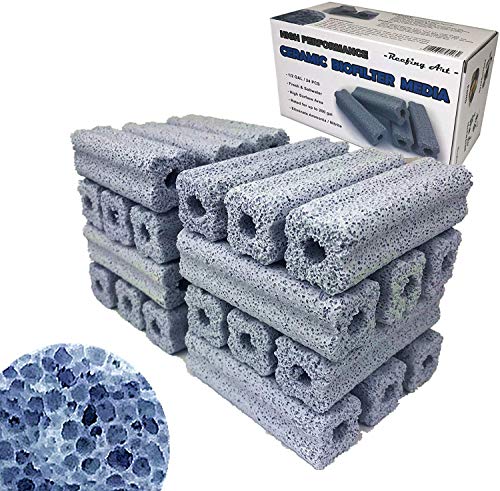
Ceramic Bio Filter Media for Aquarium Sump Canister 24 pcs

GOLDEAL Bio Balls Ceramic Rings Set 2Pack, 2.2lb

AQUACITY Premier Bulk Bio Ceramic Rings Filter Media 5 Lbs

6 lbs Premier Bio Ceramic Rings Aquarium Filter Media 6 Mesh Bags

Ceramic Filter Media Bio Filter Rings 1lb 180ct
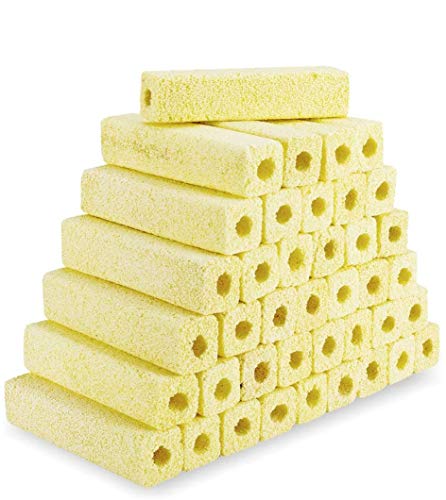
hygger 6.2-Inch Long Aquarium Bio Media Ceramic Filter Media Blocks

4 lbs Aquarium Ceramic Bio Filter Media Sphere for Canister Filter

6 lbs Aquarium Ceramic Bio Filter Media Sphere for Koi Ponds
More Details On Our Top Picks
Foam media like this makes sense for tanks that need a custom fit instead of a fixed ceramic shape. The 20 x 20 x 1 inch sheet and 20 PPI density, meaning the foam has fairly fine pores, let you trim it for hang-on-back chambers, prefilters, or DIY boxes without wasting much material.
Compared with the rigid ceramic picks later in this list, this one feels more hands-on and adaptable. It suits keepers who like to cut, rinse, and swap media in tight filter spaces, though the trade-off is that foam usually takes more frequent cleaning once it starts loading up with debris.
Strong Points
- Large sheet size gives you room to cut several pieces from one panel.
- Fine pore structure helps trap suspended bits before they reach other media.
- Works well for custom retrofits, especially in small or oddly shaped filter chambers.
- Simple foam construction is easy to rinse during routine maintenance.
Small Caveats
- Foam can clog faster than open ceramic forms in messy tanks.
- You’ll need scissors or a knife to size it for your setup.
- It’s better as a mechanical and bio support layer than as a standalone solution.
Feature Snapshot
Who It Suits Best
DIY aquarium keepers and hobbyists building custom filter chambers get the most value from this foam sheet.
Swap It Out When
Aquapapa’s ceramic rings make more sense for you if you want a rigid medium that stays put inside a canister or sump.
This one leans into classic ceramic media, where porous pieces give bacteria a place to settle while water keeps moving through the filter. The 24-piece box suits compact canisters and smaller sump layouts, so your media basket can stay organized without much fuss.
Unlike the foam sheet from ALEGI, this option is less about trimming and more about drop-in convenience. That makes it a sensible fit for regular aquarium maintenance, though you’ll want to rinse the pieces carefully so trapped debris does not settle deep in the pores.
What We Like
- Small ceramic pieces pack neatly into baskets and media trays.
- The shape helps create useful internal surface area for bacterial colonization.
- Boxed format makes it easy to count out a load for a specific chamber.
Worth Noting
- Small pieces can shift around more than block-style media.
- Cleaning is easier with a gentle rinse than a hard scrub.
- The compact count may suit modest tanks better than large ponds.
Core Details
Whose Shelf It Belongs On
Canister filter owners who want a tidy, compact ceramic fill will get the most from this box.
A Better Fit Elsewhere
Reefing Art’s Ceramic Filter Media Bio Filter Rings are the smarter match for you if you want a larger count in ring form rather than small pieces.
Some setups work better with a mixed bundle, and this one gives you both bio balls and ceramic rings in mesh bags. That helps when you want easy handling in a fish tank, pond, or a filter box, because you can lift a bag out instead of fishing for loose media.
The trade-off is that mixed packs can feel less specialized than a single-media purchase. Still, for a hobbyist setting up a first sump or wanting a simple add-in around existing filtration, the packaged bags make the job tidy and predictable.
Highlights
- Mesh bags keep the media grouped for fast removal and placement.
- Two media styles in one set give you a flexible starting point.
- Works across tanks and ponds, which helps with mixed-use systems.
- Loose pieces stay more organized than an unbagged pile.
Areas To Watch
- Mixed media can be less targeted than a dedicated ceramic-only option.
- Mesh bags still need occasional rinsing so debris does not sit in the corners.
- The 2.2 pound format is handy, but large systems may want more volume.
Details At A Glance
Made For
You get the most value here in a starter aquarium or pond setup that needs a simple, organized media bundle.
Reach For A Different Pick When
ALEGI’s Aquarium Sponge Filter Pad is a better fit for you if your filter space needs foam you can cut to exact size.
Bulk ceramic rings are a straightforward answer for bigger filtration jobs, and this 5 pound bag gives you a lot of packing room for canisters, koi filters, or reef-style sumps. Compared with the smaller Reefing Art box, this one is aimed more at filling space than at counting individual pieces.
That makes it useful for setups where you’d rather build a deep media bed and rinse in batches. The honest read is that bulk media can be less tidy to portion, so it suits keepers who know their chamber volume and want one straightforward fill.
Upsides
- Five pounds gives you broad coverage for larger filter baskets.
- Ring shape leaves room for water movement through the stack.
- Good match for pond and koi systems that need more fill volume.
- Simple bulk format keeps the buying decision easy.
Points To Note
- Loose bulk media takes more planning during setup and cleaning.
- Smaller aquariums may not need this much volume.
- Without mesh bags, handling is a bit less organized than bagged options.
Spec Overview
Best Suited To
Large freshwater tanks, koi systems, and pond filters are the strongest fit for this bulk bag.
Look Elsewhere When
Reefing Art’s Ceramic Bio Filter Media for Aquarium Sump Canister makes more sense for you if you want a smaller, counted box instead of bulk fill.
This one keeps the bulk advantage of ceramic rings but adds six mesh bags, which is a quiet quality-of-life upgrade. In a shared fish room, that means less mess when you swap media, and the bags also help you divide the load across canisters, ponds, or shrimp tanks.
Compared with Aquapapa’s 5 pound bulk bag, the bagged format is friendlier for routine maintenance. You may find it especially useful in setups where you rotate media cleaning on different days, because each bag stays easy to identify and lift.
Best Bits
- Six included mesh bags make sorting and rinsing much easier.
- Six pounds gives you enough material for several chambers or systems.
- Works across freshwater, saltwater, pond, and shrimp setups.
- Bagged storage cuts down on loose media handling.
Softer Spots
- Mesh bags add a little extra bulk inside smaller trays.
- Large-volume users may still want a second box for oversized systems.
- The rings are practical, but they don’t have the rigid shape of blocks.
Core Details
Right Fit For
You’ll get the most from this set in a home fish room or multi-tank setup where organized maintenance matters.
Where A Sibling Pick Shines
AQUACITY’s Premier Bulk Bio Ceramic Rings are a better fit for you if you want the same basic media style without mesh bags taking up space.
This box is all about smaller, count-based planning, which is handy when your filter chamber has limited room. Since the listing calls out 180 pieces per pound, you can portion media more precisely than you can with a loose bulk bag.
That makes it a nice fit for nano tanks, compact canisters, or anyone who likes to dial in media volume without guesswork. Compared with the larger Aquapapa bags, this option feels more measured and easier to stage in stages.
Positives
- Piece count makes it easier to estimate how much media you’re loading.
- The smaller size helps in tight chambers where space is scarce.
- Can be scaled up by choosing a larger weight option from the same listing.
Points To Watch
- Loose rings can take time to rinse thoroughly after use.
- One-pound sizing may feel modest for bigger aquariums.
- Smaller pieces are easier to scatter during setup than bagged media.
Feature Card
The Right Fit
Small aquarium keepers who want a compact ceramic fill will find this easier to manage than a big bulk bag.
Another Choice May Suit
hygger’s 6.2-Inch Long Aquarium Bio Media Ceramic Filter Media Blocks make more sense for you if you want a more structured, block-style layout.
Block-style media often suits larger filtration systems because it stays packed in place and is easy to stack. At 6.2 inches long and 7.9 pounds across 40 pieces, this set points toward sump tanks, ponds, and bigger freshwater filters where structure matters.
Compared with the ring media above, the blocks feel more deliberate and less fussy during placement. The trade-off is that they occupy more defined space, so you’ll want to know your chamber dimensions before you commit to them.
Bright Spots
- Long block shape helps keep the media organized in larger bays.
- Forty-piece count supports broader builds and staged layouts.
- Works well in sump and pond systems that can handle denser packing.
- The format is easy to inspect and remove during maintenance.
Minor Gripes
- Block shape can be too large for compact canisters.
- Weight and piece count may be more than a small tank needs.
- You’ll want measured space, because these are less flexible than rings or foam.
At A Glance
Best Suited To
You get the most out of this set in a sump, pond, or roomy canister that needs structured ceramic media.
Not Your Match When
ALEGI’s Aquarium Sponge Filter Pad is the safer choice for you if your filter chamber needs a cut-to-fit foam sheet instead of rigid blocks.
Sphere-shaped ceramic media sits in the middle ground between loose rings and rigid blocks. That shape can make loading feel smoother in a canister filter, especially when you want the media to settle without leaving awkward voids.
Compared with the hyger block set, this ALEGI option is easier to work into mixed filter baskets and more flexible for day-to-day maintenance. One thing worth considering is that spherical media can still roll around a bit while you rinse or refill it, so bagging it may help in busy setups.
Reasons To Buy
- Spherical shape helps media pack in a balanced way.
- Four-pound size suits midrange canister and sump systems.
- Works across freshwater aquariums, marine tanks, and koi ponds.
- The format feels easy to mix with other filter layers.
Room For Improvement
- Loose spheres are less tidy than bagged media during handling.
- Mid-size volume may still be small for very large ponds.
- Rinsing takes a little patience because the pieces move around.
Technical Sheet
Built With In Mind
Canister filter owners who want a middle-weight ceramic fill without a bulky bag are the best match here.
Skip It When
hygger’s 6.2-Inch Long Aquarium Bio Media Ceramic Filter Media Blocks suit you better when your filter bay needs a more fixed layout.
This larger sphere pack is aimed at setups that need more fill volume without shifting to bulky blocks. In koi ponds and bigger sump systems, the 6 pound load gives you room to build a deeper media bed and keep the basket from feeling underfilled.
Compared with ALEGI’s 4 pound sphere set, this one is simply more suited to larger chambers. The honest read is that it’s less about convenience and more about capacity, so it fits keepers who know they’ll use the extra volume.
Positives
- Six pounds gives you ample fill for larger systems.
- Sphere shape works well in broad baskets and canisters.
- Useful for koi ponds that need more media depth.
- Can also serve freshwater and marine filter setups.
Honest Caveats
- Large volume may be more than a smaller tank needs.
- Loose spheres can be less convenient than bagged media.
- Rinsing a heavier load takes more time and sink space.
Core Details
Whose Shelf It Belongs On
You’ll appreciate this most in a large koi pond or high-volume freshwater sump that needs ceramic fill, not foam.
Where A Sibling Pick Shines
ALEGI’s 4 lbs Aquarium Ceramic Bio Filter Media Sphere for Canister Filter is the better fit for you if your chamber needs a lighter fill and less handling.
How To Choose The Right Bio Filter Medias For Freshwater Aquarium
Match The Media To The Filter Space
Filter shape comes first because the wrong form wastes room. Foam sheets fit DIY chambers, rings suit baskets, blocks fill larger bays, and spheres settle neatly in canisters.
Measure the chamber before you shop, especially in small hang-on-back units or tight sump trays. A media shape that matches the space usually cleans up better and stays put during maintenance.
Think About Flow And Surface Area
Surface area is the exposed area where bacteria can colonize. Porous ceramic usually gives more textured surface, while foam adds mechanical trapping alongside biological support.
Open shapes, like rings and spheres, help water move through more freely. Denser foam traps more debris, which is useful in messy tanks but can mean more frequent rinsing.
Choose Based On Tank Size And Stocking
Smaller aquariums rarely need huge bulk bags, and that extra media can crowd the filter basket. Larger tanks, koi ponds, and heavily stocked freshwater systems often benefit from more volume and a mix of shapes.
For planted tanks or lightly stocked community setups, a modest ceramic load is often enough. Heavier feeding, larger fish, or mixed species usually justify more media depth and easier handling.
Make Maintenance Part Of The Decision
Bagged media is simpler to lift and rinse, which helps when you keep several tanks running at once. Loose pieces can work well, but they need a little more care during cleaning and refilling.
Think about how often you want to service the filter. The easiest media to maintain is usually the one you’ll keep up with, not the one that looks strongest on paper.
Things Worth Knowing First
Wrong Turns To Avoid
Many setups go wrong because the media is too large for the chamber or too small for the system load. A tiny ring bag can look neat, but it won’t help much in a crowded pond filter.
Another common miss is choosing a shape that’s hard to rinse in your sink or bucket. Bagged options and cut-to-size foam often make routine care less awkward.
The Upgrade Payoff
Higher-tier media usually costs more because it offers better consistency in shape, cleaner packaging, or more volume per purchase. That matters most in larger systems where you replace or expand media in stages.
Spending up makes sense for people running ponds, sump tanks, or multiple aquariums that need organized maintenance. For a small starter tank, a simpler ring or foam option usually gives you enough headroom without extra complexity.
Frequently Asked Questions
What type of bio media works best in a freshwater aquarium?
Porous ceramic rings are a strong starting point because they fit many filter styles and give water room to pass through. Foam also helps, especially when you want mechanical trapping along with bio support.
How much bio filter media do you need?
The right amount depends on tank size, fish load, and filter chamber volume. Larger tanks and ponds usually benefit from more media depth than small community aquariums.
Should you use foam, rings, or blocks?
Foam works well for custom cuts and debris capture. Rings and blocks are better when you want structured packing inside a canister or sump.
Do mesh bags help with ceramic media?
Yes, because they keep loose pieces together for rinsing and placement. That makes maintenance easier in busy setups with several filter chambers.
Can bio media be reused after cleaning?
Most ceramic and foam media can be rinsed and placed back into service. A gentle rinse is usually safer than a hard scrub, since you want to keep the media structure intact.
Closing Thoughts
Your best match depends less on brand names and more on filter shape, tank size, and how much upkeep you want to handle. Foam suits custom builds, rings keep things simple, blocks help in bigger bays, and spheres sit comfortably in the middle. For freshwater aquariums, the smartest choice is the one that fits your chamber and your routine without fuss. That’s the kind of media that keeps working quietly in the background.
