

Black substrate changes the whole feel of a tank fast. It makes green plants stand out, helps hardscape read more clearly, and can make a small setup look tidier with less visual clutter.
You’ll see a mix of fine sands, active aqua soils, and heavier gravel here, since different tanks need different foundations. Planted freshwater layouts, shrimp tanks, and simple decorative setups each benefit from a different grain size and texture.
Quick Look At The Shortlist

Aqua Natural Aquarium Substrate, Galaxy Sand, 20lb
Aqua Natural Substrate, Galaxy Sand, 10lb
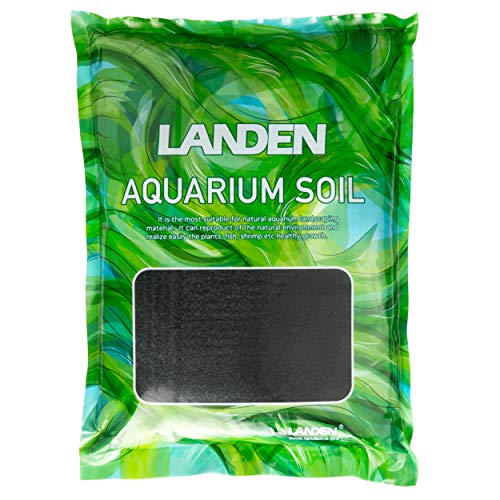
Aqua Soil Substrate 5L(10lbs) for Natural Planted Aquarium

FANTIAN Black Aquarium Sand, 5 lbs Fish Tank Sand

Ultum Nature Systems Controsoil – Freshwater Aqua Soil Substrate
Ultum Nature Systems Controsoil – Freshwater Aqua Soil Substrate
Ultum Nature Systems Controsoil – Freshwater Aqua Soil Substrate
Ultum Nature Systems Controsoil – Freshwater Aqua Soil Substrate

imagitarium by Petco Aquarium Gravel Substrate Frosted Black 20 lbs.
More Details On Our Top Picks
The fine black grain gives a tank a darker, more polished base, and the shimmer in the sand can make light movement more visible across the bottom. That suits display tanks, especially layouts with green stems, driftwood, or stone that need stronger contrast.
The 20 lb bag works better for larger aquariums or anyone covering a wider footprint in one go. The honest trade-off is simple, fine sand can be a little messier during setup than chunkier gravel, so slow filling pays off.
What We Like
- Fine texture gives a smooth, uniform floor.
- Dark color helps plants and hardscape stand out.
- The larger bag suits wider tanks or deeper beds.
- Shimmering particles add movement under aquarium lighting.
Things To Consider
- Fine sand can cloud water during filling.
- It needs gentler cleanup than heavier gravel.
- Best visual effect comes with good lighting.
Feature Snapshot
Who It Suits Best
Planted display tanks and mixed enclosure setups benefit most from this sand’s clean color and broad use range.
A Better Fit Elsewhere
Aqua Soil Substrate 5L(10lbs) for Natural Planted Aquarium fits planted freshwater setups better, since it gives roots more structure than decorative sand.
This version keeps the same dark, reflective look as the larger Aqua Natural bag, but the 10 lb size suits a smaller tank or a lighter refresh. The contrast is the real draw here, since black substrate makes plants, coral-colored ornaments, and rock lines read more clearly.
It feels more manageable for desktop aquascapes, breeder tanks, or anyone building a tighter layout without overbuying material. The trade-off is obvious, the smaller bag gives you less coverage, so larger tanks will need more than one bag.
Highlights
- Black color sharpens the look of aquatic plants.
- Compact bag size works well for smaller projects.
- Fine sand helps create a smooth surface.
- Good fit for display tanks that need visual depth.
Room For Improvement
- Smaller quantity can limit coverage in bigger aquariums.
- Fine grain calls for patient rinsing and placement.
- Like most sand, it can shift during maintenance.
Core Details
Who Should Grab It
Small aquarium setups and decorative tank builds benefit most from this compact bag.
Swap It Out When
Aqua Natural Aquarium Substrate, Galaxy Sand, 20lb makes more sense for larger tanks, since it gives you more coverage in one purchase.
Compared with the decorative sands above, this one leans into planted tank function. The porous clay-gravel style body gives roots more structure to hold onto, which matters in a freshwater tank with live stems, carpeting plants, or shrimp activity.
The black color still keeps the layout visually grounded, but the bigger story is the substrate profile itself. That makes it a better fit for aquascapes that need more than a dark backdrop, especially in tanks where plant growth and root anchoring matter.
Upsides
- Porous structure supports planted tank layouts.
- Useful for shrimp and freshwater aquascapes.
- Black tone gives a clean, deep backdrop.
- Stable grain helps keep plant bases planted.
- 5L size suits moderate tank builds.
Points To Note
- More specialized than simple decorative sand.
- May feel like extra detail for basic fish-only tanks.
- Active soils usually need thoughtful layout planning.
Details At A Glance
Best Suited To
Planted freshwater tanks and shrimp-focused setups get the most from this substrate.
Another Choice May Suit
imagitarium by Petco Aquarium Gravel Substrate Frosted Black 20 lbs. suits community tanks better, since gravel is often easier to keep tidy in active displays.
This bag is aimed at smaller setups, and the 0.4 to 0.8 mm grain size tells you a lot about the feel of it. It’s dense, and the zero-fines note matters because loose dust is often what causes extra clouding during setup.
That makes it sensible for shrimp tanks, turtle tanks, or accent beds in terrariums and craft displays. The trade-off is scale, since a 5 lb bag is better for compact work than broad coverage in a large aquarium.
Best Bits
- Very fine grain creates a neat, even bed.
- Dense mix helps limit drifting in water flow.
- Works across tanks and decorative displays.
- Small bag size fits accent zones neatly.
Areas To Watch
- Smaller amount suits compact projects more than big tanks.
- Fine sand still needs careful placement and cleanup.
- Decorative use range is broad, but only aquarium use matters here.
Quick Facts
Whose Shelf It Belongs On
Compact aquariums and small decorative enclosures benefit most from this sand.
A Better Fit Elsewhere
Aqua Natural Aquarium Substrate, Galaxy Sand, 20lb works better for larger layouts, since it offers a much bigger supply.
This Controsoil version leans toward planted aquariums that need more than a pretty dark base. The 6.8 pH note points to a slightly acidic water tendency, and pH is the measure of how acidic or alkaline water is, so that matters for plant-first freshwater layouts.
The volcanic ash base and black fine grain create a technical feel without looking busy. For people building a serious aquascape, that mix of function and appearance can be worth the extra attention, though basic fish-only tanks may not need this much substrate detail.
Reasons To Buy
- Fine black texture suits planted compositions.
- Volcanic ash base supports a more advanced substrate profile.
- 6.8 pH note helps you plan water conditions.
- Works well for fish, shrimp, and propagation layouts.
Small Caveats
- More specialized than a plain decorative sand.
- Plant-focused design may be more than basic setups need.
- Detailed aquascapes usually ask for more careful planning.
Feature Rundown
Made For
Freshwater planted tanks with live stems or shrimp do best with this soil.
Look Elsewhere When
FANTIAN Black Aquarium Sand, 5 lbs Fish Tank Sand suits simple decorative tanks better, because it is less specialized.
This extra-fine Controsoil version is the neatest-looking option in the group, and the smaller grain can help a planted layout feel more precise. That finer texture makes sense in detailed scapes, though it also means you’ll want to move slowly during setup so the bed stays where you place it.
Compared with the regular-fine Controsoil, this one feels better suited to careful foreground work or compact arrangements. For most home aquariums, that makes it a quiet, technical choice rather than a casual one.
Standout Traits
- Extra-fine texture helps create a smooth foreground.
- Black color keeps the tank looking clean and defined.
- Useful for plant propagation and shrimp-friendly layouts.
- Small size works well in tightly planned tanks.
Worth Noting
- Extra-fine soil can be easier to disturb.
- Best suited to careful planting and maintenance.
- Small package is limiting for broader aquariums.
Technical Sheet
Right Fit For
Careful aquascapers and shrimp tank setups benefit most from this extra-fine substrate.
Reach For A Different Pick When
Ultum Nature Systems Controsoil – Freshwater Aqua Soil Substrate in the normal 3 Liter size is the easier all-around match for broader planted layouts.
This one keeps the same Controsoil character in a smaller 1 Liter package, so it’s useful for nano tanks, detail patches, or substrate touch-ups. That smaller footprint makes sense for people building a tiny layout where a full bag would be excessive.
The black color still gives you the dark planted-tank look, but the real value here is control. You can place it with more precision in a compact setup, though larger aquariums will run through it quickly.
Bright Spots
- Compact size is handy for nano aquariums.
- Planted-tank formula keeps the look cohesive.
- Black tone works with modern aquascapes.
- Useful for topping off small areas neatly.
Honest Caveats
- Small quantity limits coverage in standard tanks.
- Better as a targeted-use bag than a main fill.
- Same specialty profile as the larger Controsoil options.
Feature Card
The Right Fit
Nano aquariums and small planting jobs suit this compact soil best.
Where A Sibling Pick Shines
Ultum Nature Systems Controsoil – Freshwater Aqua Soil Substrate in the 3 Liter version makes more sense once your layout needs broader coverage.
The normal-grain Controsoil is the middle ground in the lineup, and that middle ground can be exactly what a planted tank needs. It still gives you the black aqua-soil look, but it feels less specialized than the extra-fine version and less limited than the 1 Liter bag.
For general freshwater layouts, that balance makes setup easier to plan. You get the same planted-tank direction as the other Ultum Nature Systems bags, only with a more everyday shape that suits broader builds.
Positives
- Normal grain size is easier to plan around.
- Black finish supports a clean planted look.
- Better coverage than the tiny format.
- Good middle point for many freshwater layouts.
Points To Note
- Less specialized than the extra-fine version.
- Still more planted-tank focused than simple decorative gravel.
- Works best when you want a soil, not just a dark layer.
Spec Overview
Who It Suits Best
Freshwater hobbyists who want a practical planted substrate without moving to the most specialized texture will like this version.
Another Choice May Suit
Aqua Soil Substrate 5L(10lbs) for Natural Planted Aquarium fits larger rooted layouts better, since it gives a broader supply for more ambitious builds.
This frosted black gravel is the most traditional-looking pick in the group, and that can be an advantage in community tanks. Gravel usually stays put a little better than very fine sand, so it can feel easier to live with in active setups.
The listed benefits point toward a more natural environment and healthier bacteria growth, which matters because bacteria in aquarium gravel help break down waste. The trade-off is that gravel shows a different look than planted aqua soil, so it suits general fish tanks more than specialist aquascapes.
Strong Points
- Large 20 lb bag suits broader tanks.
- Gravel texture is practical for active community setups.
- Dark frosted finish keeps the tank grounded visually.
- Helpful for fish-focused layouts with less planting.
Areas To Watch
- Less tailored to rooted plant growth than aqua soil.
- Heavier gravel can be a different look than fine sand.
- Maintenance style depends on how busy the tank gets.
Core Details
Built With In Mind
Community aquariums and general fish tanks suit this gravel best.
Skip It When
Ultum Nature Systems Controsoil – Freshwater Aqua Soil Substrate fits planted aquascapes better, since those layouts benefit from a more plant-focused base.
How To Choose The Right Black Aquarium Substrates
Match Grain Size To The Tank’s Job
Fine sand gives you a smoother visual field, but it also moves more easily during filling and cleaning. Gravel stays steadier under flow and fish activity, which helps in busy community tanks.
For planted aquascapes, aqua soil usually sits in the middle of looks and function because it supports rooting better than plain sand. That matters most in tanks where you expect stems, carpets, or shrimp to share the same floor space.
Think About The Tank’s Role Before The Color
Black substrate looks great, but color alone should never make the call. A fish-only display can handle decorative sand or gravel, while rooted plant tanks usually need a substrate that does more structural work.
That’s why the Ultum Nature Systems Controsoil line feels different from the Aqua Natural sands. One is shaped around planted freshwater use, the other leans toward visual contrast and simpler setup.
Choose The Bag Size Around Layout Scale
A 1 Liter or 5 lb bag is handy for nano tanks, accent zones, and patch repairs. Larger tanks become easier to fill with 10 lb or 20 lb bags, since repeated top-ups add hassle fast.
For a long tank or a deeper bed, coverage matters as much as texture. A bag that looks modest on the shelf can disappear quickly once you spread it across the floor of the aquarium.
Watch Maintenance And Cleanup Needs
Fine substrates can cloud water more easily during setup, and they usually demand gentler vacuuming later. Gravel is less fussy in active community tanks, though it gives up some of the soft, planted-tank look.
That trade-off is why maintenance style should guide the choice just as much as appearance. A neat scape that fits your schedule usually works better than a dramatic base that becomes annoying to keep tidy.
What To Weigh Before You Commit
Mistakes Worth Dodging
Some shoppers focus on color first and end up with the wrong texture for the tank. A dark sand can look beautiful, but a planted aquarium often needs aqua soil instead of a purely decorative layer.
Bag size trips people up too. Small packages make sense for nano tanks, yet they can leave you short once the layout expands beyond a compact footprint.
The Upgrade Payoff
Higher-tier substrates usually cost more because they do more than sit at the bottom of the tank. Specialized aqua soils often bring more consistent grain, better rooting support, and a finish that suits planted layouts more cleanly.
That extra spend makes sense for aquascapers, shrimp keepers, and anyone building a display that needs structure as well as color. For a simple fish tank, a straightforward gravel or fine sand often covers the need without asking you to overbuild the base.
Frequently Asked Questions
What’s the biggest difference between black sand and black gravel?
Black sand gives you a softer, smoother look, while black gravel feels sturdier and stays in place more easily. The choice comes down to whether you want a cleaner planted look or a more traditional fish-tank floor.
Do planted tanks need aqua soil instead of decorative sand?
Most planted freshwater layouts benefit more from aqua soil because it supports rooted growth better. Decorative sand still works for visual contrast, but it does less for plant structure.
How much substrate do you need for a small aquarium?
Small tanks often do well with compact bags like 1 Liter or 5 lb sizes. The exact amount depends on tank footprint and bed depth, so a wide tank can need more than a tall one of the same volume.
Why do some black substrates shimmer under light?
Fine particles can catch the light differently across the surface, which creates that reflective look. It’s a visual effect, so lighting angle and water movement shape how noticeable it feels.
Is black substrate harder to keep clean?
Not necessarily, but fine sand usually shows debris and clouding more readily during maintenance. Gravel tends to feel easier in active tanks, though both still need regular care.
Closing Thoughts
Black aquarium substrate gives you a strong base for contrast, but the right choice still depends on what lives above it. Decorative sand works well for clean visuals, aqua soil gives planted tanks more support, and gravel suits busy community setups with less fuss. Once you match grain size, bag size, and tank type, the dark background starts doing real work instead of just looking good. That’s the kind of choice that keeps a tank easier to live with over time.
