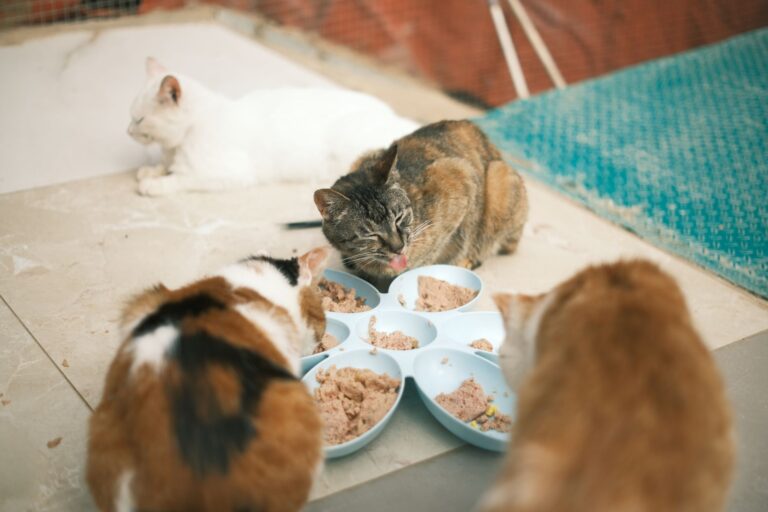

Your six-month-old kitten is past the tiny-newborn stage, but the food still needs to match a growing body and a busy routine. Some kittens do well with crunchy dry kibble, others do better with softer wet meals, and many do best with a mix that keeps hydration, texture, and calorie density in balance. The picks below focus on age fit, ingredient style, and day-to-day ease for homes that want fewer feeding guesswork moments.
Quick Look At The Shortlist

ORIJEN Grain Free WHOLEPREY Dry Cat Food Kitten Recipe 4lb. Bag
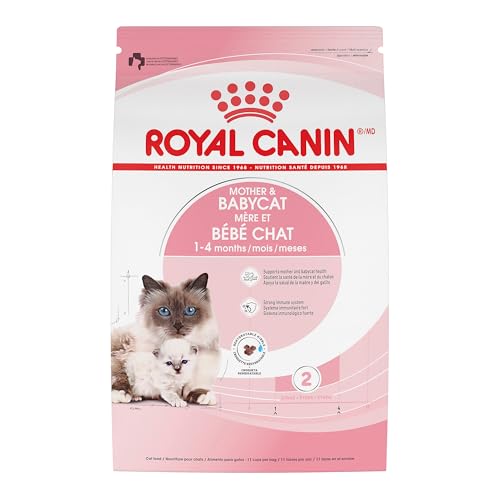
ROYAL CANIN Feline Health Nutrition Mother & Babycat Dry Cat Food 6 lb Bag

ROYAL CANIN Feline Breed Nutrition Maine Coon Kitten Dry Cat Food 3 lb Bag

Tiki Cat Baby Wet Cat Food for Kittens Shreds Variety Pack 2.4 oz. Cans

Weruva Kitten Fur Baby Favorites Variety Pack 3oz Can

Tiki Cat Baby Pate Wet Cat Food for Kittens Variety Pack 2.4 oz. Cans

Meow Mix Cat Food Kitten Formula 3.15 lb

Purina Pro Plan Kitten Dry Food Complete Essentials Chicken and Rice Formula 3.5 Pound
More Details On Our Top Picks
ORIJEN leans hard into animal ingredients, which makes it stand out right away beside the softer, wet-food options later in this list. For a six-month-old kitten that already handles dry food well, the dense kibble can fit a normal feeding routine without much fuss.
The trade-off is straightforward, it’s a more intense style of dry food, so texture and rich formulation may not suit every kitten. Households that like ingredient-forward meals and want a bag that lasts longer between refills tend to appreciate that balance.
Strong Points
- High animal ingredient share keeps the recipe centered on meat and fish sources.
- Dry format is easy to measure for steady mealtime routines.
- Freeze-dried and fresh or raw ingredients add a more focused ingredient profile.
- Protein-heavy style suits kittens that need a richer everyday dry bowl.
Things To Consider
- The richer formula may be more than some kittens prefer at first.
- Dry food still needs a water plan nearby, especially in warm homes.
- Ingredient density can make portion control more important than with lighter kibble.
Feature Snapshot
Who It Suits Best
Kitten homes that want a dry food with a meat-heavy ingredient style and a more premium feel will get the most from this pick.
Where Another Pick Suits Better
ROYAL CANIN Feline Health Nutrition Mother & Babycat Dry Cat Food suits households that want a gentler transition food for a younger kitten or a nursing cat.
This formula is built around the early months, so it sits comfortably in a home where a kitten is still learning to eat solids. The small kibble and rehydratable texture make it easier to soften, which helps during the messy middle stage between milk and full dry meals.
Compared with ORIJEN, this one feels more deliberately staged for transitional feeding, not just general kitten nutrition. The honest read is that it suits cautious feeders and multi-cat homes that include a nursing queen.
What We Like
- Made for mother cats and kittens, which broadens its use in busy homes.
- Small kibble is easier for tiny mouths to manage.
- Can be softened with water, which helps with early solid-food transitions.
- Prebiotics and digestible proteins support a more settled feeding routine.
Room For Improvement
- The age focus is narrow, so older kittens may outgrow the fit quickly.
- Rehydrating kibble adds one more step at mealtime.
- Households wanting a richer meat-first style may prefer a different formula.
At A Glance
Made For
Caregivers who want a soft, early-stage dry food for a very young kitten or a nursing queen will find this one especially sensible.
A Better Fit Elsewhere
Purina Pro Plan Kitten Dry Food Complete Essentials Chicken and Rice Formula suits six-month-old kittens that are already fully settled on dry kibble and need a more everyday feel.
The shape of the kibble matters here, because Maine Coon kittens have a larger jaw structure than many other breeds. That makes this formula feel purpose-built, not generic, and that distinction matters in a home with a breed-specific plan.
It also helps that the recipe stretches through a long growth period up to 15 months, so you are not racing to replace it too early. Compared with the Mother & Babycat formula, this one is the longer-game choice for a kitten that needs room to grow.
Positives
- Kibble size and texture are shaped for a Maine Coon kitten’s larger mouth.
- Long growth-window support gives the bag a longer useful life in the pantry.
- Balanced protein, energy, vitamins, and minerals support steady growth.
- Digestible proteins make it easier on developing digestive systems.
- Antioxidants, taurine, lutein, and vitamins C and E add a thoughtful nutrient mix.
Softer Spots
- The breed-specific design narrows the fit for non-Maine Coon households.
- Three-pound packaging is smaller than some families may want for regular use.
- It is less flexible than a general kitten formula for mixed-cat homes.
Core Details
Whose Shelf It Belongs On
Maine Coon homes that want a breed-tailored dry formula with a long growth horizon will find this a tidy fit.
Look Elsewhere When
Tiki Cat Baby Wet Cat Food for Kittens Shreds Variety Pack suits homes that want a wet, mixed-texture approach for a six-month-old kitten that prefers moisture at mealtime.
Wet shreds make a lot of sense for a six-month-old kitten that needs moisture along with a softer bite. This pack splits the flavors across chicken, salmon, tuna, chicken liver, duck, duck liver, and egg, so mealtime does not feel repetitive.
Compared with the dry formulas ahead of it, this one is more about texture and hydration than pantry simplicity. Households that feed small portions across the day may find the 2.4-ounce cans especially easy to manage.
Highlights
- Wet shreds are easier to chew than dry kibble for many young kittens.
- Variety pack keeps flavor fatigue from building too fast.
- DHA supports brain and vision development in a practical way.
- Taurine and balanced minerals support growth needs without a lot of fuss.
- Prebiotics add a digestive support angle that suits delicate feeding phases.
- Non-GMO, grain-free, fruit-free, vegetable-free, and carrageenan-free formulation keeps the recipe streamlined.
Points To Note
- Wet food creates more cleanup than dry kibble.
- Small cans suit portioning, but they also mean more openings and storage decisions.
- The shreds texture may be too loose for kittens that prefer a smooth pate.
Feature Card
Best Suited To
Six-month-old kittens that like wet textures and do well with variety will get a lot out of this pack.
Swap It Out When
Meow Mix Cat Food Kitten Formula suits a household that wants dry kibble with a simpler pantry rhythm and less can handling.
Weruva takes a different route from the Tiki Cat shreds, leaning into gravy, purée, and au jus styles that feel especially welcoming for kittens learning wet food. That mix can help a six-month-old kitten that likes more moisture and less dense chunks at the bowl.
The variety is broad enough that you can rotate flavors without making feeding feel stale, which matters in a house where a kitten gets bored fast. The trade-off is that broth-heavy textures are a preference call, not a universal fit.
Upsides
- Several texture styles give you more room to match a kitten’s taste.
- Gravy and purée formats can be easier for hesitant eaters.
- Mixed chicken-based recipes help keep variety in the bowl.
- Small 3-ounce cans support smaller servings and less waste.
Areas To Watch
- Soupier food can be messier around the feeding area.
- Texture variety helps some kittens, but not the ones that want a single steady style.
- More can openings mean more fridge planning for partial servings.
Details At A Glance
Who Will Love This
Kitten homes that want soft, moisture-rich meals with several texture choices will get the clearest fit here.
Reach For A Different Pick When
Tiki Cat Baby Pate Wet Cat Food for Kittens Variety Pack suits a kitten that prefers a smoother, more uniform texture instead of brothy styles.
Paté is the smoother path here, and that makes a real difference for very young mouths or kittens that still prefer a softer spoonable texture. The recipe list covers chicken, duck, salmon, tuna, and organ meats, so the variety stays broad without getting fussy.
Compared with the shreds pack, this one is easier to mash and mix, which can help during early solid-food transition. A small note worth keeping in mind, smooth food is convenient, but it also disappears fast in a very eager kitten’s bowl.
Best Bits
- Smooth paté texture is easy for tiny mouths to handle.
- Real meat and organ meats keep the recipe grounded in familiar kitten fare.
- DHA, taurine, and prebiotics support a practical growth plan.
- Grain-free and potato-free formulation keeps the ingredient list streamlined.
- High protein and fat content suit the needs of a growing kitten.
Small Caveats
- Paté can be too uniform for kittens that want more texture.
- Wet food means you need to think about open-can storage.
- The richer profile may need portion discipline in a fast-eating kitten.
Core Details
Perfect Match For
Young kittens that prefer a very smooth wet texture and households that want a simple transition from mushier meals will appreciate this pack.
Another Choice May Suit
ROYAL CANIN Feline Health Nutrition Mother & Babycat Dry Cat Food suits a home that wants to stay with dry food while still keeping a transitional texture.
This is the straightforward dry bowl in the lineup, and that simplicity can be a real asset in a kitchen that wants no drama at feeding time. The flavor mix leans on chicken, ocean fish, salmon, and turkey, which makes the kibble feel familiar rather than specialized.
Compared with the more premium dry formulas, it takes a less elaborate path, and that may suit homes that care more about routine than ingredient spotlighting. The honest trade-off is that it feels more basic, which is exactly why some households like it.
Reasons To Buy
- Dry kibble is easy to scoop, store, and portion.
- Multiple flavors give kittens a familiar taste mix.
- Complete and balanced nutrition supports regular growth feeding.
- DHA adds a helpful brain-and-vision support angle.
- Made in the U.S.A. from globally sourced ingredients.
Worth Noting
- The formula is simpler than some of the higher-tier kitten foods here.
- Dry food offers less moisture than the wet options on this list.
- Flavor familiarity helps some kittens, but not the ones chasing richer texture.
Feature Rundown
The Right Fit
Kitten households that want a basic dry formula with familiar flavors and no extra complexity will find this an easy pantry choice.
Where Shoppers Go Wrong
Weruva Kitten Fur Baby Favorites Variety Pack is the better match for homes that want brothier wet food instead of standard kibble.
This one reads like the most complete dry-food pick in the group, with real chicken first and a long list of support ingredients. For a six-month-old kitten that already eats dry kibble well, the bite-sized pieces make the switch from kitten meals feel smooth.
The feature stack is broader than Meow Mix, and that shows up in the extra digestive and coat-focused support. You may find it especially useful in a busy home where one dry bag has to cover a lot of daily feeding ground.
Positives
- Real chicken starts the formula on a clear protein base.
- Bite-sized kibble is easy for a kitten to handle.
- Live probiotics add digestive support to the routine.
- DHA, taurine, and vitamin A support development and vision.
- Omega-6 and antioxidants round out the daily feeding profile.
- No artificial colors or flavors keeps the recipe less cluttered.
Areas To Watch
- Dry food still provides less moisture than wet kitten meals.
- The fuller feature set may matter less for kittens that already do well on plain kibble.
- Some households will still want a wet-food topper for texture variety.
Quick Facts
Best Suited To
Homes that want a dependable dry food with more support features built into the formula will find this the most rounded everyday fit.
Where Shoppers Go Wrong
Tiki Cat Baby Pate Wet Cat Food for Kittens Variety Pack suits kittens that need a softer, more moisture-rich route than crunchy dry food.
How To Choose The Right Cat Foods For 6 Month Old Kitten
Start With Texture And Water Content
At six months, many kittens are fully past the mushy-baby stage, but that does not mean every bowl should be crunchy. Wet food brings moisture and a softer bite, which helps kittens that lap rather than crunch with confidence, while dry kibble fits cleaner serving and easier storage.
Texture matters even more than the label sometimes suggests. A kitten that ignores flakes may gobble smooth paté, and a kitten that likes crunchy pieces may nibble dry kibble all day with no issue.
Match The Formula To The Growth Stage
Kitten food is built for growth, not just calories. Look for formulas that clearly speak to kittens, since those recipes usually put more attention on protein, fat, and nutrients like taurine, DHA, and balanced minerals.
At this age, the best match depends on whether your kitten is still filling out fast or already acting like a small adult. A six-month-old that eats often and stays lean may do well with a denser formula, while one that prefers slower grazing may suit a gentler recipe.
Think About Your Daily Routine
Your own feeding rhythm matters as much as the bag or can. Dry food fits homes that want simple scooping and less refrigeration, while wet food works better for smaller servings across the day and for kittens that need extra hydration.
Multi-cat homes, travel days, and long work schedules all push the choice in different directions. A practical formula is the one you can serve consistently without turning dinner into a project.
Read Ingredient Style With A Calm Eye
Ingredient lists can look overwhelming, but the main question stays simple: does the recipe rely on a clear animal protein source, and does it suit your kitten’s stomach and preferences? Some families like higher-meat formulas, while others want a familiar chicken-and-rice dry food that stays easy to serve.
Stronger formulas often cost more because they lean into more animal ingredients, smaller batches, or extra support features. That extra spend only pays off when your kitten actually benefits from the texture, digestibility, or nutrient profile.
Things Worth Knowing First
Mistakes Worth Dodging
One common slip is choosing food that fits a cute label more than a real feeding need. A six-month-old kitten still needs a kitten formula, and a texture mismatch can leave half the bowl untouched.
Another misstep is forgetting your own routine. Wet cans are great for hydration, but they also ask for more cleanup and storage planning than dry kibble.
The Upgrade Payoff
Higher-tier kitten foods often use more animal protein, better-defined textures, or extra support ingredients such as probiotics, DHA, and taurine. That can make mealtime smoother for kittens that are picky, sensitive, or in a fast growth phase.
The real upgrade is fit, not flash. Paying more makes sense when the recipe lines up with your kitten’s appetite and your kitchen routine, because the best bag or can is the one that actually gets used.
Frequently Asked Questions
Can A Six-Month-Old Kitten Eat Adult Cat Food?
A kitten this age usually still does better with kitten food. Adult food often gives up some of the growth-focused nutrition a young cat still needs.
Is Wet Food Better Than Dry Food For A 6 Month Old Kitten?
Wet food helps with hydration and softness, which suits some kittens very well. Dry food is easier to store and can fit a simpler daily routine.
How Often Should You Feed A Six-Month-Old Kitten?
Many homes still split meals across the day rather than giving one large serving. Smaller portions help keep energy steadier and make it easier to track appetite.
What Ingredients Matter Most In Kitten Food?
Look for a clear animal protein source, plus kitten-focused nutrients like taurine and DHA. Texture and digestibility matter too, because even a good formula fails if the kitten refuses it.
Should You Mix Wet And Dry Food?
Many homes do, because the mix balances hydration with convenience. That approach also gives a kitten more texture variety without forcing a single bowl style.
Closing Thoughts
For a six-month-old kitten, the right food is the one that fits both growth and daily life. A kitten that thrives on dry kibble may do best with Purina Pro Plan or ORIJEN, while a kitten that wants softer meals will lean toward Tiki Cat or Weruva. Breed-specific needs make ROYAL CANIN Maine Coon worth a closer look, and ROYAL CANIN Mother & Babycat stays useful for the youngest transition stage. You do not need a perfect formula, just one that your kitten eats well and that fits your routine.