

Chicken coop doors do more than close a gap, they shape your morning routine and your flock’s overnight security. The right pick matters most when you travel, work late, or keep a mixed backyard setup that needs steady timing without fuss. Some models lean on app control, others use solar power or long-range remotes, and a few focus on simple, sturdy movement. This roundup helps you match the door to your coop, your schedule, and your comfort with setup.
Quick Look at the Shortlist
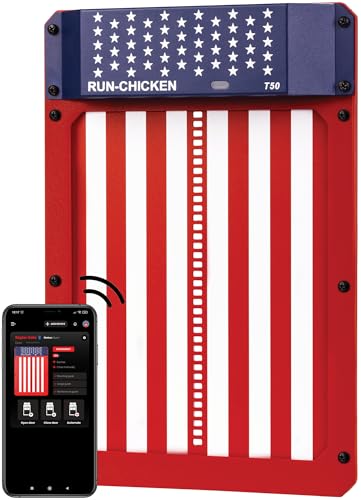
RUN-CHICKEN Door T50 Automatic Chicken Coop Door Opener
MASTERFUN Automatic Chicken Coop Door with Remote Display

AsFrost Automatic Chicken Coop Door Solar Powered
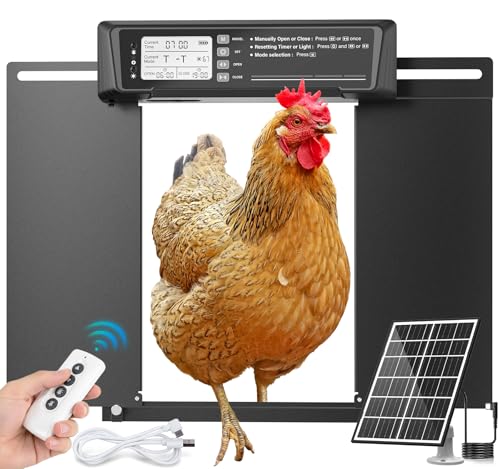
Large Size Automatic Chicken Coop Door Solar Powered

Omlet Smart Automatic Chicken Coop Door Opener

ChickenGuard Automatic Chicken Coop Door Opener

RUN-CHICKEN Door Eternal Solar Automatic Chicken Coop Door
More Details On Our Top Picks
The T50 leans into convenience without piling on extra clutter, which suits a coop routine that needs to run on its own. Battery power keeps the setup straightforward, and the weatherproof aluminum body gives it a sturdier feel than lighter plastic-style builds.
The app and timer controls matter most for commuters, travelers, and anyone who wants a set schedule without visiting the coop twice a day. The honest trade-off is that app-based control adds a little learning curve, so a hands-off setup feels best once you’ve got the routine dialed in.
What We Like
- Automatic sunrise and sunset behavior fits a steady daily rhythm.
- Battery power keeps wiring needs low, which helps in simple coop layouts.
- Weatherproof aluminum should suit exposed runs better than thinner housings.
- Timer and light-sensor control give you two practical ways to manage opening and closing.
Things To Consider
- App control asks for a little setup time at the start.
- Battery-powered operation still needs routine attention, especially in colder stretches.
Feature Snapshot
Who Will Love This
Busy flock keepers who want a dependable automatic routine without complex hardware get the most from this one.
Swap It Out When
MASTERFUN’s remote-display model makes more sense for you if long-range monitoring matters more than app control.
This one stands out for distance and visibility, not app polish. The handheld controller with an LCD screen gives you door status, door battery level, and remote battery level at a glance, which feels genuinely useful in a large yard or a setup set away from the house.
The roll-up design also saves wall space, so it reads as a cleaner fit than the more traditional sliding style used by some of the earlier picks. Since it does not need WiFi, it suits rural properties where the signal is weak or where you simply want fewer connected parts in the chain.
Highlights
- Long wireless range helps with coops set farther from the house.
- LCD status display keeps the door’s state easy to check.
- Roll-up motion saves room around the opening.
- No WiFi requirement keeps the setup simpler for remote properties.
- Temperature range from 5℉ to 140℉ supports broad seasonal use.
Points To Note
- The controller adds another piece to store and keep track of.
- Solar charging depends on placement and available sunlight.
- The richer display is handy, but it still means one more device to manage than the T50.
Details At A Glance
Right Fit For
Flock keepers with coops far from the house, or anyone avoiding WiFi-based control, get the cleanest fit here.
A Better Fit Elsewhere
RUN-CHICKEN Door Eternal suits you better if solar backup and app scheduling matter more than a handheld monitor.
AsFrost takes a practical route: solar charging, a built-in battery, and USB-C support all point to fewer headaches around power. That mix makes sense for coops that get good daylight but still need a fallback during gloomy stretches or during the off-season.
The anti-pinch design is also worth noting, since gentler door movement matters in a coop full of cautious hens. Compared with the more app-heavy RUN-CHICKEN models, this one feels more straightforward and easier to explain to someone who just wants a reliable routine.
Positives
- Solar charging cuts down on daily power management.
- USB-C support adds a useful backup charging route.
- Built-in 2000mAh battery gives the setup more staying power between charges.
- Timer and light-sensor control cover the two most common scheduling styles.
Small Caveats
- Solar performance depends on where you mount it.
- Bright orange styling may stand out more than some coops prefer.
Core Details
The Right Fit
It suits you well if you want a solar-first door with a simple setup and a backup path for charging.
Where A Sibling Pick Shines
MASTERFUN works better for you if a long-range handheld remote matters more than a built-in solar charging setup.
The horizontal sliding layout is the big story here, and it solves a real annoyance: bottom-track doors can collect bedding, grit, and small stones. By moving sideways instead of dropping like a tiny guillotine gate, it feels better suited to busy coops where the floor stays active.
That calmer motion is a nice fit for timid birds, too, especially in mixed-age flocks where chicks and older hens share the same enclosure. Compared with the MASTERFUN and AsFrost picks, this one is less about remote extras and more about cleaner physical operation.
Best Bits
- Horizontal movement avoids a bottom track that can trap debris.
- Sliding action may reduce motor strain over time.
- Gap-free panel fit helps the doorway close tightly.
- Timer and light-sensor control cover daily routine needs.
- Large size suits coops that need a more generous opening.
Areas To Watch
- Solar-powered operation still depends on good sun exposure.
- The larger format can call for more careful mounting in tighter coops.
Technical Sheet
Built With In Mind
Coops with dusty floors, loose bedding, or a larger doorway benefit most from this style.
Another Choice May Suit
Omlet’s smart opener is a better fit for you if app control and optional plug-in power matter more than a sliding track design.
JVR is for the shopper who wants app control first and foremost, with sunrise and sunset scheduling layered in behind it. The 2.4 GHz WiFi note matters because that band is common in homes, but it also means your router setup will play a role in day-to-day convenience.
Compared with the more self-contained MASTERFUN remote monitor, this one fits better into a connected home routine. The anti-pinch sensor is a welcome detail for any coop with active birds, though the smart features may be more than you need for a simple backyard setup.
Bright Spots
- WiFi app control supports remote access from elsewhere.
- Sunrise and sunset scheduling keeps timing intuitive.
- Anti-pinch sensing adds a thoughtful safety layer.
- Heavy-duty aluminum should suit regular outdoor exposure.
Worth Noting
- Connected features depend on a stable home network.
- The feature set may feel more involved than a basic timer-only opener.
- App-driven convenience can be overkill for a small coop near the house.
Spec Overview
Best Suited To
Tech-comfortable flock keepers who want app access and routine scheduling get the most from this one.
Look Elsewhere When
RUN-CHICKEN Door T50 is easier to live with for you if app access matters, but you want a simpler battery-powered setup.
Omlet takes a more polished route than some of the other smart picks here, with WiFi and app control joined by light-sensor or timer operation. Battery or plug-in power gives you more placement freedom, which matters in coops that sit far from the house or lack a convenient outlet.
The built-in safety sensors are a meaningful touch for active birds, and the weatherproof build suits regular outdoor exposure. It feels like the right step up for someone who wants smarter control without moving into a tangle of extra devices.
Upsides
- Battery or plug-in power gives you flexible installation choices.
- WiFi and app control support remote scheduling.
- Light sensor or timer mode lets you choose the routine that fits best.
- Built-in safety sensors add practical peace of mind around moving parts.
Softer Spots
- More control paths can mean more to set up at first.
- The added flexibility makes more sense in larger or more complex coops.
Feature Rundown
Perfect Match For
You suit this model best if you want a smart opener with flexible power and a cleaner feature set than a full home-automation setup.
Reach For A Different Pick When
JVR is the better fit for you if your main goal is connected control and sunrise-sunset scheduling through WiFi.
ChickenGuard is the strength-first choice in this group, and the 2 kg lift rating gives you a clear clue about the kind of door it’s built to move. Power options span solar, battery, and electric, so the hardware can fit different coop setups without forcing one power style on you.
That makes it a sensible match for heavier doors or for installations where you want the motor to carry more of the load. Compared with the lighter, more convenience-led RUN-CHICKEN T50, this one leans more toward mechanical confidence than app polish.
Standout Traits
- Motor strength suits heavier door movement.
- Solar, battery, and electric power options widen placement choices.
- Timer and light sensing cover common opening routines.
- PRO + Door + Batteries package gives you a fuller starting point.
Honest Caveats
- The stronger motor is useful, but it also points to a more hardware-heavy setup.
- Small coops may not need this much lifting capacity.
Core Details
Whose Shelf It Belongs On
Keepers with heavier doors or more demanding mounting needs will get the clearest value here.
Skip It When
RUN-CHICKEN Door Eternal is a cleaner fit for you if solar backup plus app control matters more than raw lifting focus.
Door Eternal feels like the most self-sufficient RUN-CHICKEN option in this list, with built-in solar power and battery backup working together for steadier day-to-day use. That combination matters when your coop sits in a spot where plugging in is awkward, or when you’d rather not think about charging as often.
The smart app and timer controls keep it familiar beside the T50, but the solar-first setup gives it a different personality. For most backyard setups, that extra cushion is the point, though the trade-off is that solar success still depends on where you place the unit.
Positives
- Built-in solar power reduces dependence on manual charging.
- Battery backup adds a useful fallback layer.
- App and timer control keep scheduling flexible.
- Weatherproof aluminum suits outdoor coop conditions.
- Automatic sunrise and sunset behavior supports a predictable routine.
Minor Gripes
- Solar performance depends on placement and daylight.
- The feature set makes the unit feel more involved than a basic opener.
Quick Facts
The Right Fit
You’ll like this most if you want the easiest path to a solar-backed automatic setup with app control.
Another Choice May Suit
Omlet is the smarter match for you if flexible plug-in or battery power matters more than built-in solar.
How To Choose The Right Chicken Doors
Match Power To Your Coop Layout
Power choice shapes the whole experience. Battery-powered doors keep installation simpler, solar models reduce the need for routine charging, and plug-in support works best where an outlet sits close to the coop. A remote coop in open sun often favors solar, while a shaded run or sheltered barn setup can make battery or plug-in power feel easier.
Think about maintenance as part of power choice, not an afterthought. Solar panels need sensible placement, batteries still need attention, and wired setups add placement limits. The smoothest match is the one that fits your property without forcing you to redo the coop layout.
Choose The Control Style You’ll Actually Use
Timer and light-sensor doors suit most backyards because they keep the routine simple. App control helps more when you travel, work late, or want to check the door without walking out to the run. Long-range remotes sit in the middle, which works well for properties where you want control without committing to WiFi.
The trade-off shows up in convenience versus complexity. Smart features are useful, but they also add setup and another point of failure compared with a plain timer. For a small flock near the house, a simpler control path often feels calmer day after day.
Pay Attention To Door Motion And Fit
Sliding and roll-up doors can reduce issues with bedding and grit at the threshold. Vertical drop doors are familiar and compact, but they need cleaner clearance and a bit more attention to the track area. A track-free design can feel like a better fit in dusty coops, while a strong motor matters more when the panel is heavier.
Size and mounting matter just as much as the control features. A door that fits the opening cleanly tends to seal better and needs less fiddling later. That’s where the specs earn their keep, because a tidy fit can save you from daily frustration.
Think About Flock Behavior And Environment
Timid hens often do better with gentler motion and a door that closes without a sudden drop. In mixed-age flocks, an anti-pinch feature adds a useful layer of reassurance around moving parts. Weather exposure matters too, since wet seasons, heat, and dust all shape how often you’ll need to clean or check the unit.
A coop door is a small machine, but it lives a rough life. Choose materials and movement style with that in mind, and the setup usually feels steadier over time. The best fit is the one that matches both your flock and your weather, not just the headline features.
A Quick Reality Check Before You Choose
Mistakes Worth Dodging
A common miss is choosing features before checking the coop opening. Door size, mounting space, and track style matter just as much as app control or solar charging. Another easy slip is overlooking sunlight or outlet access, which can make a promising opener awkward to live with.
It also helps to match the control style to your routine. A connected model sounds useful, but a simple timer can be easier for an everyday flock setup. Choose the machine you’ll actually maintain, not the one with the longest feature list.
What The Upgrade Payoff
Higher-tier doors usually cost more because they add smoother motion, better sensor logic, stronger materials, and more ways to power or control the unit. Those details matter most in larger coops, remote properties, or setups where daily manual checks feel annoying. A tougher motor or a cleaner sealing design often earns its keep over time.
The upgrade makes the most sense when your coop is far from the house, exposed to rough weather, or used by a flock that needs quieter closing motion. For a small enclosed run, a simpler opener often does the job with less fuss. Spend more for convenience and durability, not just for a longer feature list.
Frequently Asked Questions
Do automatic chicken coop doors work in winter?
Many do, but cold weather can affect batteries, solar charging, and moving parts. A weatherproof build and a power option that suits your climate matter a lot.
Is solar power enough for a chicken coop door?
Solar can work well in open, sunny placements. Shaded coops or regions with long cloudy stretches often benefit from battery backup or plug-in support.
What matters more, app control or a timer?
Timer control is easier for many routine setups. App control helps more when you want remote access or schedule changes without walking out to the coop.
Are anti-pinch sensors worth it?
They make more sense in busy coops where birds move around the doorway. That extra layer can feel especially useful with mixed-age flocks.
Should you choose a sliding or roll-up door?
Sliding and roll-up doors often handle dirt better than designs that drop through a bottom track. Your coop floor and how much bedding shifts around should guide the choice.
Closing Thoughts
Your best chicken door is the one that fits your coop, your power setup, and your daily routine without asking for extra attention. App control helps some homes, solar backup helps others, and a simple timer is enough for plenty of backyards. A heavy-duty motor or a cleaner sliding motion can matter more than flashy extras once you start living with it. Choose the door that makes mornings quieter and evenings steadier, and the flock routine gets easier fast.