
Frozen water turns a normal coop routine into a daily chore, especially in early mornings when a bucket has already started to crust over. The right heated waterer keeps the job simpler, keeps the setup cleaner, and fits the way your flock drinks, whether you manage a small backyard run or a larger mixed flock. This roundup focuses on styles that solve different cold-weather problems, from nipple systems to insulated bowls and heater bases. You’ll also see where each one asks for a trade-off, so you can match the pick to your coop instead of guessing.
The Shortlist At A Glance

Premier 1 All-Season Heated Poultry Waterer 3 Gallon

Farm Innovators Chicken Waterer De-Icer for Nipple Drinker Buckets

API 3 Gallon Heated Chicken or Bird Waterer White

Omlet Insulated Chicken Waterer 3 Gallon Sage Green

Omlet Insulated Chicken Waterer 3 Gallon Eglu Green

Omlet Insulated Chicken Waterer 1.5 Gallon Eglu Green
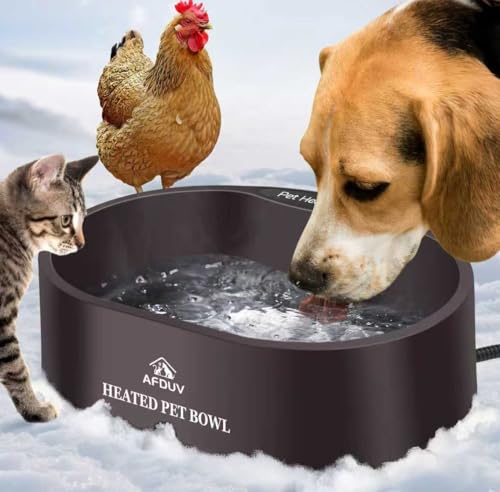
Heated Water Bowl for Dogs Cats Outdoor 3.7L

12 Inch Chicken Water Heater Base 5 Gallons
More Details On Our Top Picks
The appeal here is straightforward: you get a heated 3-gallon waterer with nipple drinkers, so water stays cleaner than an open trough in most coops. The thermostat turns the heating element on and off as temperatures change, and that makes it a sensible fit for cold snaps without heating the water itself to a warm feel.
The quick-fill cap matters more than it sounds, because a lid can freeze down in rough weather and make refills awkward. With the detachable 16-foot cord and hanging handle, you get more placement flexibility than the more fixed-feeling heater base in Item 8, though nipple systems do ask for a bit of bird training.
Strong Points
- Three recessed nipples help keep bedding drier than open pans.
- The 3-gallon size suits a small to mid-size flock without constant refilling.
- The thermostat-controlled heat supports cold-weather use without making the water feel warm.
- The hinged fill opening is handy during frozen mornings.
Small Caveats
- Nipple drinkers usually need a short training period for birds that only know open bowls.
- Spare nipples are useful, but clogging can still mean occasional upkeep.
- Hanging setups work well, though they need a solid spot in the coop or run.
Feature Card
Who It Suits Best
Backyard flock owners who want a cleaner drinking setup and can work with nipple drinkers will get the most from this one.
A Better Fit Elsewhere
API 3 Gallon Heated Chicken or Bird Waterer suits you better when you want a metal-handle design that feels easier to carry and set down often.
This is the most specialized item in the group, because it’s built to warm a nipple drinker bucket rather than acting as a full waterer on its own. That makes it a good match for coops that already use a bucket-and-nipple setup and just need freezing kept in check.
Compared with the self-contained picks like Item 1 and Item 3, this approach keeps your current bucket system in play. The trade-off is simple enough, you’re buying a support piece, not a complete drinking station, so the fit depends on your existing setup.
Highlights
- Works with nipple drinker water buckets, which makes it easy to slot into an existing setup.
- Thermostatic control means it only runs as conditions call for it.
- The de-icer format keeps the bucket approach compact and familiar.
- It suits keepers who already trust nipple drinkers for cleaner water.
Worth Noting
- It is not a stand-alone waterer, so you still need the right bucket system.
- Bucket compatibility matters more here than it does with the self-contained options.
- Retrofit pieces can be a little less convenient for first-time coop setups.
Core Details
Who Should Grab It
Keepers who already run nipple buckets and want a more direct winter fix should look here first.
Swap It Out When
Premier 1 All-Season Heated Poultry Waterer is the easier choice when you want a full unit with nipples and heating in one housing.
The galvanized steel handle gives this one a more workhorse feel than Item 1, and that matters when you’re carrying water through slush or across a busy yard. Its 3-gallon capacity lands in the same practical range, but the funnel-style fill approach should feel friendlier for hands-on refills.
Overheating protection is the headline safety feature here, and the honest read is that it adds reassurance without changing the basic job of the unit. It suits people who want a sturdy, straightforward heated waterer and do not need the nipple-drinker format used by the Premier 1 pick.
Upsides
- Galvanized steel handle feels durable for frequent carrying.
- The funnel-style fill design helps make refills less awkward.
- 3-gallon capacity works well for a practical coop routine.
- Overheating protection adds a useful layer of confidence.
Areas To Watch
- It’s still a handled waterer, so placement and lifting matter.
- Open-style waterers usually need more routine cleaning than nipple systems.
- The white finish may show coop grime sooner than darker finishes.
Technical Sheet
Best Suited To
Small flock owners who want a sturdy handled unit and prefer a simple fill routine will get along with this design.
Where A Sibling Pick Shines
Omlet Insulated Chicken Waterer 3 Gallon Sage Green fits better for anyone who wants a more style-forward insulated look with cup-and-nipple drink options.
This insulated waterer has a more polished look than the utilitarian buckets and heater-base options, and that matters in coops where appearance and function both count. The anti-roost domed lid is a smart touch, because it helps keep birds off the top while the cups and nipples create a more controlled drinking setup.
Because the body is insulated, you get a two-way benefit in seasonal use, staying cooler in summer and helping slow freezing in winter. For most backyard runs, that flexibility feels more balanced than a pure heater-only unit, though you still need to stay on top of cup and nipple cleanliness.
Reasons To Buy
- Insulation supports year-round use in changing temperatures.
- The domed lid discourages roosting on top of the waterer.
- Five cups and nipples give you a flexible drink setup.
- The BPA-free material detail matters to many coop owners who want a cleaner-feeling plastic choice.
Room For Improvement
- Insulated designs still need regular washing around the drink points.
- The three-gallon size can feel a bit large in tighter coop layouts.
- It is more feature-rich than a plain heater base, so the setup may feel less bare-bones.
Details At A Glance
Whose Shelf It Belongs On
Style-conscious flock keepers who want a cleaner-looking insulated unit with flexible drink points will appreciate this one.
Another Choice May Suit
API 3 Gallon Heated Chicken or Bird Waterer White makes more sense for you if you want a simpler handled design with less emphasis on the lid and drink hardware.
You get the same insulated 3-gallon format as Item 4, but this finish may suit coops where you want the waterer to blend into a more muted setup. The anti-roost lid, BPA-free body, and included cups and nipples keep the practical story the same, which is useful when you want familiar function without changing the rest of the routine.
The trade-off is also the same, since a feature-rich insulated waterer asks for a little more attention than a heater base. For mixed flocks that already understand cup or nipple drinkers, though, this version sits in a comfortable middle ground.
Best Bits
- Three-gallon capacity works well for steady flock watering.
- The Eglu Green finish gives you a softer visual fit in the run.
- Insulation helps in both warm and cold seasons.
- The included cups and nipples make the setup more adaptable.
Points To Note
- It overlaps heavily with Item 4, so your choice may come down to color preference.
- The drink hardware needs normal cleaning, especially around busy coops.
- Large enough for many backyard flocks, though compact runs may feel crowded.
Feature Snapshot
The Right Fit
Backyard keepers who like the Omlet format but want a greener finish will find this one easy to place in a tidy coop.
Look Elsewhere When
Omlet Insulated Chicken Waterer 3 Gallon Sage Green is the better visual match when you want the same design in a different color direction.
The smaller 1.5-gallon size makes this the easiest Omlet pick to place in tighter coops or side runs. You still get the insulated build, the anti-roost domed lid, and the cup-and-nipple format, but the footprint feels more manageable for smaller flocks.
That smaller capacity is the trade-off, of course, since you’ll refill it more often than the 3-gallon versions. For a pair of hens, a starter flock, or a setup with limited shelf space, it keeps the same tidy look without asking for as much room.
Positives
- Smaller size fits compact coops more easily.
- Insulation helps it handle seasonal temperature swings.
- The domed lid helps keep birds from perching overhead.
- It uses the same cup-and-nipple style as the larger Omlet picks, which keeps the learning curve low for flock owners already used to that format.
Minor Gripes
- 1.5 gallons is less forgiving for larger flocks.
- You lose some refill interval compared with the 3-gallon versions.
- The compact build is helpful, but it can feel small once your flock grows.
Quick Facts
Who Will Love This
Small-flock keepers and anyone working with a narrow coop layout will appreciate the lighter footprint here.
Where Shoppers Go Wrong
Omlet Insulated Chicken Waterer 3 Gallon Eglu Green is the better choice for you if your flock needs more capacity between refills.
This bowl moves away from chicken-only styling and lands in mixed-pet territory, which can help in homes where chickens share a yard with dogs or ducks. The 3.7-liter size gives you a middle ground between a compact drink bowl and a larger coop waterer, and the anti-chew cord is a practical detail for active outdoor spaces.
Compared with the poultry-focused items above, this one feels less specialized but more flexible. That said, a bowl shape will usually need more attention to debris than nipple-based units, so it suits mixed-use yards better than especially muddy coops.
Bright Spots
- 3.7-liter capacity is a comfortable middle size for outdoor use.
- The thermostatic heating setup keeps the job simple in cold weather.
- The anti-chew cord is a useful detail around energetic pets.
- It can serve several species, which helps in mixed-animal yards.
Softer Spots
- Its bowl form can collect more dirt than nipple drinkers.
- It’s broader in purpose, so it feels less poultry-specific than the other picks.
- Mixed-pet convenience is useful, though some coop owners may prefer a more dedicated chicken setup.
Spec Overview
Built With In Mind
Households with chickens plus other outdoor animals will get the most out of the bowl format here.
Skip It When
Premier 1 All-Season Heated Poultry Waterer is the stronger match for you if a chicken-specific nipple system is the priority.
This is the most adaptable option in the lineup, because it sits under an existing plastic or metal waterer and turns that container into a heated setup. The 12-inch base and 5-gallon compatibility point to a very practical use case for people who already own a waterer they like.
Compared with the self-contained units above, the trade-off is that you’re relying on the fit between base and container. That’s the upside too, since it lets you keep your current waterer style and add winter support without replacing the whole thing.
Best Bits
- Turns an existing waterer into a heated one.
- The 12-inch size supports a common base format.
- Works with plastic and metal containers.
- The thermostat and cord make it more convenient than makeshift warming methods.
Areas To Watch
- Compatibility with your current waterer matters a lot.
- It only solves the heating side, so the container still does the drinking job.
- Owners who want an all-in-one unit may prefer the simpler self-contained picks.
Core Details
Made For
Keepers who already own a suitable waterer and want to preserve that setup through winter will get the clearest benefit here.
Where Shoppers Go Wrong
API 3 Gallon Heated Chicken or Bird Waterer White is the better path if you want a complete handled unit instead of a base-only solution.
How To Choose The Right Chicken Heated Waterers
Capacity And Flock Size
Size is the first thing that should guide your choice. A 1.5-gallon unit works well for smaller flocks or tighter coop layouts, while 3-gallon models give you more breathing room between refills. Bigger capacity matters most in cold weather, because you do not want to top off water constantly while juggling frozen bedding and feed.
Heating Style And Drink Format
Heated waterers come in a few shapes: full units, heater bases, de-icers, and bowls. Nipple systems keep water cleaner because birds draw from small points instead of an open basin, while bowls are easier for mixed animals and simple daily access. Heater bases make the most sense when you already like your current waterer and just need winter support.
Placement, Cord Length, And Coop Layout
Placement often gets overlooked until you’re trying to thread a cord through a run that’s already crowded. A long detachable cord helps with flexibility, but hanging units need a solid spot and bowls need enough floor space to stay stable. For narrow coops, compact designs usually feel easier to live with than wide containers that crowd the walkway.
Cleaning And Everyday Upkeep
Cleaning needs vary by design. Open bowls and trough-style units usually pick up more debris, while nipple drinkers tend to stay cleaner but may need occasional clearing around the valves. The best fit is the one you can maintain without dreading the routine, because neglected waterers get annoying fast in bad weather.
Things Worth Knowing First
Hidden Buying Traps
A common mistake is buying a heater base without checking whether your current waterer actually fits it. Another is choosing a bowl for a muddy run and then dealing with grit all season. Match the shape to the coop first, then look at features.
Trainability matters too. Nipple drinkers work well, but birds that only know open water may need time to adjust. A cleaner system is useful only when the flock can use it comfortably.
The Upgrade Payoff
Higher-tier models usually cost more because they combine better materials, smarter temperature control, and more thoughtful hardware like domed lids or recesses that limit mess. You also pay for convenience, especially when a unit is built to be refilled, hung, or cleaned with less fuss.
That extra spend makes the most sense in larger coops, rougher winters, or setups you use every day. A simple heater base is enough for many keepers, but a more complete waterer can save time when your flock size or weather pattern pushes the routine harder.
Frequently Asked Questions
Do heated poultry waterers warm the water?
Most are designed to keep water from freezing, not to make it hot. That’s the right behavior for poultry, since the goal is reliable access, not warm water.
Are nipple drinkers harder for chickens to learn?
Some birds adapt quickly, while others need a little coaching. Once they get the idea, nipple systems usually stay cleaner than open bowls.
Is a heater base better than a full waterer?
A heater base is a smart match for someone who already owns a waterer that fits. A full waterer is easier when you want one complete setup from the start.
How much capacity makes sense for a small flock?
Smaller flocks often do well with 1.5 gallons, while 3 gallons gives more margin between refills. The right size depends on how often you want to top it off and how cold your winters get.
What’s the easiest style to keep clean?
Nipple-style systems usually stay cleaner because the water is exposed less often. Open bowls and troughs ask for more regular washing, especially in dusty runs.
Final Thoughts
The best choice comes down to how your flock already drinks and how much winter effort you want to take on. A full heated waterer like the Premier 1 makes day-to-day care simpler, while a heater base makes sense for someone who already has a container worth keeping. If your coop is small, compact insulated models are easier to live with, and if you keep multiple species, the heated bowl broadens the setup. Match the shape to the routine, and the cold weather job feels a lot less messy.