
You want a conure diet that fits your bird’s habits, not just a label that sounds good on paper. Some conures do better with pellets as a steady base, while others stay more interested in seed mixes or softer textures, especially in busy homes where picky eating shows up fast.
This roundup keeps the focus on real use, texture, ingredient style, and how each pick fits a typical feeding routine. You’ll also see where a formula is better for a bird that forages, a bird that prefers variety, or a bird that needs a gentler transition.
Quick Look At The Shortlist
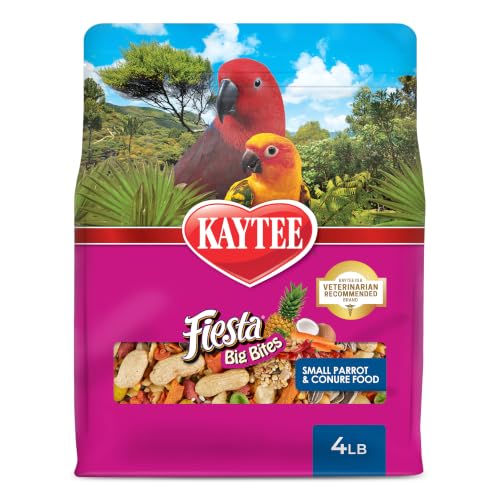
Kaytee Fiesta Big Bites Small Parrot & Conure Food 4 lb

Psittacus Mini 6.6 lb Complete Pellet Diet for Cockatiels, Conures and Cockatoos

Conure and Lovebird Bird Food 4 lbs Bag

Kaytee Nutri Soft Pet Parrot & Conure Bird Food 3 lb

Kaytee Food from The Wild Natural Pet Conure Bird Food 2.5 lb

Higgins Premium Pet Foods Hig Sunburst Conure 3lb
More Details On Our Top Picks
The bigger bits and mixed textures make this Kaytee blend feel made for active birds that enjoy working through a bowl instead of polishing it off in a rush. The ingredient mix leans playful without looking empty, and that matters in homes where mealtime has to hold attention as much as fill it.
You also get a formula that points toward skin, feather, digestion, brain, and heart support, which gives it broad appeal for everyday feeding. The trade-off is that a more varied seed-and-piece mix usually takes more sorting, so birds that prefer neat pellets may leave behind some parts.
Strong Points
- Assorted shapes can help slow down fast eaters.
- Larger ingredients suit conures that like bigger mouthfuls.
- Omega-3s, probiotics, and prebiotics add useful daily support.
- Natural fruit and vegetable notes give the bowl more interest.
- Works well for birds that get bored with plain mixes.
Things To Consider
- Some birds will sort out favorite pieces first.
- Seed-heavy blends usually make cage cleanup a little messier.
- The varied texture can feel less tidy than pellet-only feeding.
Feature Snapshot
Who It Suits Best
Bird keepers with active conures that enjoy foraging-style meals will get the most from this blend.
A Better Fit Elsewhere
Psittacus Mini 6.6 lb Complete Pellet Diet for Cockatiels, Conures and Cockatoos suits households that want a cleaner, pellet-led routine.
This pellet formula sits at the more structured end of the category, which is handy for households that want a straightforward daily routine. Because it’s designed around maintenance feeding for species that naturally eat lower-fat seeds, it makes the most sense for birds already comfortable with pellets or birds moving toward a steadier base diet.
The 3 kg package gives you a large pantry-friendly supply, and the no-GMO, no artificial coloring, and no synthetic antioxidant profile may appeal to shoppers who want fewer extras in the bowl. The honest trade-off is simple, though, a pellet-first approach can feel less exciting to conures that prefer visible seed pieces and mixed textures.
Upsides
- Pellet format helps create a consistent feeding routine.
- Suitable for young and adult birds in the listed species.
- Large 3 kg package works well for frequent feeders.
- No artificial coloring keeps the formula straightforward.
- Can be paired with fresh produce for added variety.
Minor Gripes
- Pellet-only feeding can feel repetitive for some birds.
- Less visual variety than seed blends or forage mixes.
- Fresh food add-ins still take planning on your end.
Core Details
Built With In Mind
This is a strong match for conure households that want pellets to anchor the daily menu.
Swap It Out When
Kaytee Food from The Wild Natural Pet Conure Bird Food 2.5 lb fits better for birds that stay more interested in varied foraging pieces.
Seed mixes still have a place, especially in homes where conures respond better to familiar textures than to a hard switch. This Sweet Harvest bag keeps the formula focused on conures and lovebirds, and the triple-cleaned, nitrogen-flushed handling points toward a fresher pantry experience.
You also get added vitamins and minerals, plus a no-filler approach that can reduce waste from ingredient fluff. The trade-off is that seed mixes usually need a bit more attention than pellets, because birds may pick favorites and leave the rest behind.
Best Bits
- Seed texture helps birds that prefer familiar bites.
- Triple-cleaned handling supports a fresher bag experience.
- No filler ingredients means less unwanted bulk in the dish.
- Added vitamins and minerals improve day-to-day utility.
Worth Noting
- Selective eaters may sort the bowl unevenly.
- Seed mixes often create more leftover shell debris.
- Not as structured as a pellet-centered feeding plan.
Details At A Glance
Right Fit For
Conures that already know and trust seed-based meals will settle into this one easily.
Another Choice May Suit
Kaytee Nutri Soft Pet Parrot & Conure Bird Food 3 lb makes more sense for birds that prefer a softer bite.
The soft texture is the whole story here, and that’s exactly why it earns a place in a conure lineup. Birds that hesitate around crunchy bites often do better with food that feels gentler in the beak, especially during a transition period or in homes with picky eaters.
Kaytee also leaves out artificial colors and flavors, which keeps the formula straightforward. The trade-off is that softer food can create its own storage and handling quirks, so a sealed container and clean feeding dish matter more than usual.
Positives
- Soft texture can help reluctant eaters engage with the bowl.
- No artificial colors or flavors keeps the ingredient story simple.
- Useful for birds that resist hard or dry textures.
Areas To Watch
- Soft food may need more careful storage after opening.
- Some birds may still want added variety beside it.
- The texture focus matters more here than ingredient complexity.
Spec Overview
Whose Shelf It Belongs On
This fits homes with conures that avoid crunchy mixes and need a gentler first step.
Where A Sibling Pick Shines
Kaytee Fiesta Big Bites Small Parrot & Conure Food 4 lb works better for birds that like more chew and texture.
This Kaytee mix leans into a more natural foraging style, with almonds, bell peppers, papayas, black currants, and pineapples giving the bowl a very different feel from the simpler seed blends above. That variety matters in a busy household, because birds that like to inspect and sort their food often stay more engaged with a mix that looks and feels layered.
The formula also brings vitamins, minerals, prebiotics, probiotics, and omega-3s into the same bag, so it covers a lot of daily territory without looking bare. The trade-off is that a richer mix can be more expensive to feed through quickly, and birds with narrow preferences may still fish out only the favorites.
Bright Spots
- Foraging-style pieces give birds more to work through.
- Fruit and nut ingredients add clear visual variety.
- Prebiotics and probiotics support everyday digestive balance.
- Omega-3s add another useful nutritional layer.
- Hand-picked ingredient style feels thoughtful rather than plain.
Softer Spots
- Ingredient variety can encourage selective eating.
- Rich mixes tend to move faster in active households.
- Smaller 2.5 pound size may suit lighter feeding schedules better.
Quick Facts
Best Suited To
This works well for conures that like a more natural, foraging-heavy meal pattern.
Look Elsewhere When
Psittacus Mini 6.6 lb Complete Pellet Diet for Cockatiels, Conures and Cockatoos fits better for a cleaner pellet routine.
Higgins keeps the format broad enough for daily use without turning the bowl into a one-note routine. That makes sense for conures that do fine with mixed feeding and for homes that want a simple bag to rotate into the pantry without overthinking the meal plan.
There’s less feature-heavy detail here than in the Kaytee and Psittacus options above, which can actually be the point for some households. The practical read is that this one works best as an uncomplicated everyday mix, while birds that need a softer texture or a more specialized ingredient profile may do better elsewhere.
What We Like
- Mixed approach suits straightforward daily feeding.
- 3 pound size fits many routine pantry setups.
- Simple positioning makes it easy to slot into rotation.
Room For Improvement
- Source details are lighter than on some other picks.
- Less tailored than the more specialized formulas above.
- Birds with texture preferences may respond better to a more specific mix.
Core Details
The Right Fit
Busy homes that want a simple, routine-friendly conure food will find this easy to live with.
A Better Fit Elsewhere
Kaytee Nutri Soft Pet Parrot & Conure Bird Food 3 lb suits a bird that needs a softer bite and a gentler start.
How To Choose The Right Conure Foods
Match Food Style To Behavior
Conures usually tell you plenty by how they eat. A bird that shreds, sorts, and investigates the bowl often does well with a foraging mix like Kaytee Food from The Wild or Kaytee Fiesta Big Bites, while a steadier eater may settle into Psittacus Mini pellets without much fuss.
Texture matters just as much as ingredients. Soft formulas help with picky eaters, crunchy pellets bring consistency, and seed blends sit in the middle for birds that want variety without losing familiar tastes.
Think About Your Feeding Routine
Daily convenience can steer the decision more than ingredient talk. Pellets are easier to portion, seed mixes are more inviting for some birds, and richer forage blends ask a little more attention from you during cleanup and storage.
Households with multiple birds often do better with a formula that stays predictable. Smaller bags suit lighter feeding schedules, while larger packages make more sense for homes that go through food steadily.
Read The Label Like A Menu
Look for the ingredient style first, then the support ingredients. Omega-3s, probiotics, prebiotics, vitamins, and minerals each point to a different kind of help in the bowl, but none of them replace a formula your bird will actually eat.
Also watch for extras that matter to your situation, such as no artificial colors or no filler ingredients. Those details can be useful, but they work best when they match your bird’s texture preference and your own cleanup tolerance.
Choose For The Bird In Front Of You
Young birds, adult birds, and picky birds rarely behave the same way at mealtime. A pellet-heavy option can be a clean anchor, while a softer or more varied formula often gets more buy-in from birds that have already turned up their beak at plain food.
The right choice usually feels boring in the best way, because it fits the routine you already live with. That’s the real goal here, a bowl your conure recognizes, finishes, and comes back to with interest.
A Quick Reality Check
Wrong Turns To Avoid
Don’t choose only by package size. A large bag sounds efficient, but a bird that rejects the texture leaves you with more storage and more waste than you expected.
Another common miss is ignoring the bird’s habits. A conure that loves to forage may lose interest in a plain pellet line, while a bird that hates sorting may do better with a cleaner mix.
Where The Extra Money Goes
Higher-tier options usually cost more because of ingredient selection, freshness handling, and more targeted formula design. That shows up in features like no-GMO claims, added support nutrients, or more specialized textures that suit certain birds better.
The upgrade makes sense when your conure is selective, sensitive to texture, or you want a more structured daily base. For a bird that eats almost anything, a simpler blend may already do the job without paying for extras you won’t notice.
Frequently Asked Questions
Should conures eat pellets or seed mix?
Both can fit, but they serve different routines. Pellets give you consistency, while seed mixes usually feel more familiar and engaging.
What makes a soft bird food useful?
Soft textures can help birds that hesitate around hard bites. They also work well during transitions from one food style to another.
How much variety does a conure need?
Variety helps keep mealtime interesting, but too much can encourage selective eating. A steady base food with occasional fresh add-ins is a practical middle ground.
Are large bags a smart choice?
Large bags make sense for households that feed daily and go through food quickly. Smaller bags fit better when you want to rotate formulas more often.
What should you check before choosing a formula?
Look at texture, ingredient style, and whether the mix fits your bird’s eating habits. Those three details usually matter more than marketing language on the front of the bag.
Final Thoughts
The best conure food is the one your bird actually accepts and you can keep using without hassle. Pellets suit routine-driven homes, seed mixes work well for birds that want more familiar bites, and softer or more varied blends help with picky eaters and foraging habits. Start with your bird’s texture preference, then narrow by ingredient style and bag size. That approach keeps feeding calm, practical, and much easier to maintain over time.