
Bringing home a young dog changes feeding fast. You need food that fits small mouths, supports steady growth, and stays easy to serve on hectic mornings and late-night cleanups.
That means looking past marketing gloss and focusing on protein sources, digestibility, moisture level, and how the food fits your routine. The seven picks below cover dry, wet, and mixed feeding styles, so you can match the bowl to your puppy’s appetite and your own schedule.
Quick Look At The Shortlist

NutriSource Small & Medium Breed Puppy Dry Dog Food 4 lb

I and love and you Wet Dog Food Baad Mooon Variety Pack 13 oz
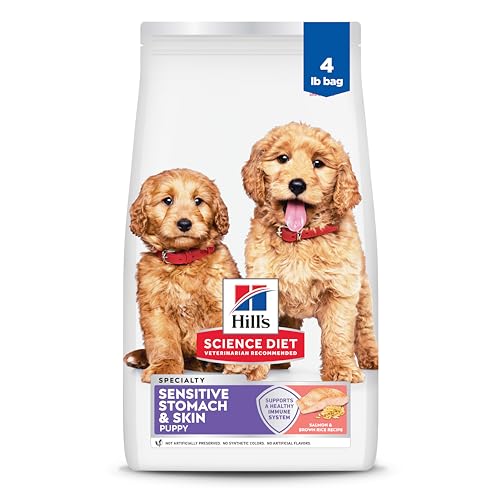
Hill’s Science Diet Puppy Sensitive Stomach & Skin Dry Dog Food 4 lb

Hill’s Science Diet Puppy Dry Dog Food Lamb Meal & Brown Rice 4 lb

Amazon Basics Puppy Chopped Ground Dinner Canned Dog Food Chicken & Beef 13.2 oz
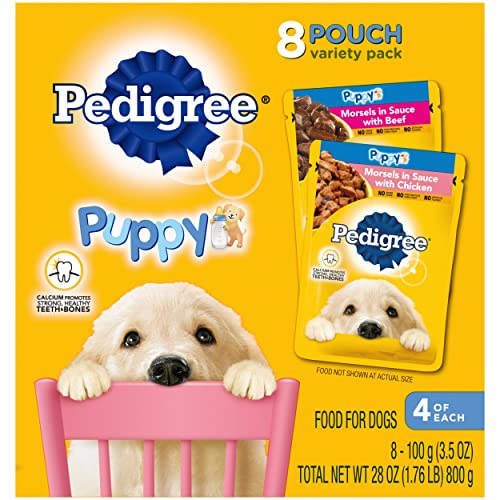
Pedigree Puppy Soft Wet Dog Food Variety Pack 3.5 oz Pouches

Nutro Ultra High Protein Puppy Dry Dog Food Chicken, Lamb & Salmon 3.5 lb
More Details On Our Top Picks
Chicken and rice keeps this one familiar, which matters in a new puppy routine where sudden changes can complicate mealtimes. The smaller-breed focus also makes sense for pups that need a manageable kibble size rather than oversized bites.
You may find the grain-inclusive format easier to work into a steady feeding plan than more stripped-down formulas. Compared with Hill’s Science Diet Puppy Sensitive Stomach & Skin Dry Dog Food, this NutriSource option feels more straightforward on the label and less specialized in its claims, which suits homes that want a clear, everyday dry food.
Strong Points
- Chicken and rice create an easy-to-recognize base for daily feeding.
- Small and medium breed positioning helps match bite size to younger mouths.
- Protein-forward dry food supports a more filling bowl for growing pups.
- Probiotics are listed, which many households value in a digestive-focused recipe.
Things To Consider
- The 4 lb size works well for trial feeding, but it can run out quickly in a multi-pup home.
- Dry food means you still need fresh water nearby at every meal.
- The listing leans on general digestive support, not a long ingredient story.
Core Details
Who It Suits Best
Homesteads with a small or medium puppy that needs a plain dry food with a digestion-minded profile will get the most from it.
A Better Fit Elsewhere
Hill’s Science Diet Puppy Sensitive Stomach & Skin Dry Dog Food fits a puppy with a more sensitive routine, especially in homes that want salmon-based dry food instead of chicken.
Variety packs make sense early on, because a young dog’s taste can shift from one meal to the next. This set gives you several wet-food paths, including beef, lamb, chicken, turkey, and stew-style options, so mealtime stays less repetitive.
The cans also help when you want a richer topper over dry kibble without changing the whole feeding routine. Compared with Amazon Basics Puppy Chopped Ground Dinner Canned Dog Food, this pick offers more flavor rotation and a less utilitarian feel, which can help with picky eaters or households that like to alternate meals.
What We Like
- Multiple recipes in one pack make rotation simple.
- Wet texture helps add moisture and aroma at mealtime.
- Works well as a topper or full wet meal.
- Grain-free and filler-free positioning suits ingredient-conscious feeding plans.
Minor Gripes
- Cans take more fridge and pantry space than dry bags.
- Once opened, wet food asks for quicker cleanup and storage planning.
- Flavor variety helps some pups, but it also adds one more decision at feeding time.
Feature Snapshot
Who Should Grab It
Households dealing with a selective puppy or anyone who likes to alternate wet meals with kibble will get the clearest value here.
Swap It Out When
NutriSource Small & Medium Breed Puppy Dry Dog Food fits better for homes that want a single dry bag with simpler storage and less opening, closing, and chilling.
Salmon and brown rice give this formula a different profile from the chicken-based NutriSource pick, and that distinction matters in homes that prefer a fish-forward dry food. The recipe also puts stomach, skin, and immune support at the center, so it feels built for puppies whose feeding routine needs a little more structure.
The presence of DHA, a fatty acid linked to early brain and eye development in puppy nutrition discussions, makes the label feel more complete than a basic starter kibble. That said, the 4 lb bag is still a small-format option, so a larger household may move through it faster than expected.
Upsides
- Salmon-based recipe gives you a clear alternative to poultry-heavy formulas.
- Prebiotic fiber supports gentler digestion in a dry-food format.
- Vitamin E plus omega fatty acids add a skin-and-coat angle.
- Antioxidants and DHA make the formula feel more complete for early growth.
- Dry kibble keeps feeding simple for daily routines.
Areas To Watch
- The smaller bag is convenient, but not the most efficient choice for bigger litters or larger breeds.
- Fish-based recipes are a matter of taste, so some puppies may take to it faster than others.
- Dry food still asks for regular bowl washing and fresh water access.
Technical Sheet
Made For
Puppies with sensitive routines, especially those doing better on a salmon-forward dry food, fit this pick best.
Not Your Match When
I and love and you Wet Dog Food Baad Mooon Variety Pack suits a puppy that needs more aroma and texture variety, especially during picky phases.
Lamb meal and brown rice give this one a more traditional dry-food profile than the salmon-based Hill’s Science Diet formula above. The real advantage is flexibility, because the product comes in several bag sizes, so you can stay with a small trial bag or move up for a longer feeding stretch.
That makes it a sensible pantry staple for households that want a straightforward kibble without a long list of extra style cues. The honest read is that it looks less specialized than the Sensitive Stomach & Skin version, but that simplicity can help when you just want a steady everyday bowl.
Bright Spots
- Lamb meal offers a clear protein source for a classic puppy kibble.
- Brown rice keeps the formula familiar and easy to place in a daily routine.
- Multiple bag sizes give you room to choose the right pantry fit.
- Dry format keeps scooping, storing, and measuring simple.
Small Caveats
- The recipe language is straightforward, so it does not lean heavily into specialty support claims.
- Dry bags are practical, but they still need airtight storage after opening.
- The lamb profile may not be the first flavor every puppy reaches for.
Details At A Glance
Right Fit For
New puppy homes that want a standard dry kibble with size flexibility and a familiar flavor profile will appreciate this pick.
Look Elsewhere When
Nutro Ultra High Protein Puppy Dry Dog Food suits a household that wants a more ingredient-forward formula with multiple animal proteins and a stronger nutrient stack.
This canned dinner is built for puppy feeding that leans soft, moist, and direct. Chicken and beef give the recipe a familiar flavor pair, and the chopped-ground texture is useful for pups that do better with an easier spoonable meal than dry kibble alone.
It also works neatly as a mixer, which matters in homes blending wet and dry food to encourage appetite. Compared with Pedigree Puppy Soft Wet Dog Food pouches, this option comes in larger cans, so it may suit kitchens that prefer fewer openings and less packaging clutter.
Best Bits
- Soft canned texture helps with easy serving.
- Chicken and beef keep the flavor profile familiar.
- Can work as a full meal or a mixer.
- Pack of 12 is handy for routine feeding.
Points To Note
- Cans add more recycling and storage work than dry bags.
- Wet food usually asks for faster bowl cleanup.
- The listing focuses on function more than a long recipe story.
Core Details
Whose Shelf It Belongs On
Households that want a straightforward wet food for daily mixing or full meals will make the most of it.
A Better Fit Elsewhere
Pedigree Puppy Soft Wet Dog Food Variety Pack fits better for families that want pouch-based portions and less leftover handling after each meal.
Pouches make feeding cleaner and more portion-controlled, and that’s the big appeal here. The variety format also helps you keep mealtime from getting dull, especially for puppies that need a little encouragement at the bowl.
This pack is shaped for quick serving, topping kibble, or keeping a softer meal on hand for travel days. Compared with the Amazon Basics canned dinner, it brings less can handling and a smaller serving footprint, which helps in tighter kitchens or busier routines.
Reasons To Buy
- Soft wet texture supports easy serving.
- Pouch format makes portion control simpler.
- Works as a topper, mixer, or full meal.
- DHA and calcium are listed for puppy nutrition support.
Room For Improvement
- Pouches create more individual packaging to store or discard.
- Variety packs help with rotation, but they also reduce uniformity from meal to meal.
- Wet food needs more cleanup than dry kibble.
Feature Rundown
Built With In Mind
Puppy homes that want portioned wet food for topping, mixing, or travel-friendly serving will get the most value here.
Where A Sibling Pick Shines
I and love and you Wet Dog Food Baad Mooon Variety Pack makes more sense for someone who wants a larger flavor spread across cans rather than smaller pouches.
Three animal proteins, chicken, lamb, and salmon, give this formula more ingredient depth than the single-protein dry picks earlier in the list. That matters in homes looking for a puppy food that feels a little more layered without moving into a wet-food routine.
The recipe also leans on non-GMO ingredients, skips corn, wheat, soy, and chicken by-product meal, and includes DHA plus omega 3 and 6. The trade-off is a more involved label and a smaller 3.5 lb bag, so it feels best for ingredient-minded households rather than bulk feeders.
Positives
- Protein trio gives the recipe a more varied animal-based profile.
- Non-GMO positioning and the absence of corn, wheat, and soy make the label easy to read.
- DHA supports puppy feeding goals tied to early development.
- Omega 3 and 6 add a skin-and-coat angle.
- Dry format still keeps serving simple.
Softer Spots
- The 3.5 lb bag is compact, so it may suit trial use better than long stocking cycles.
- More protein sources can mean more label reading before you settle on it.
- Dry food still calls for steady water access and routine cleanup.
At A Glance
The Right Fit
Puppy homes that want a more ingredient-focused dry food with multiple proteins and a smaller starter bag will like this one most.
Another Choice May Suit
Hill’s Science Diet Puppy Dry Dog Food Lamb Meal & Brown Rice fits better for households that want a simpler dry recipe with more size options and less label complexity.
How To Choose The Right Dog Foods For A New Puppy
Match The Texture To Daily Life
Dry kibble suits homes that want simple storage, predictable portions, and less mess around the bowl. Wet food helps with aroma, softer texture, and mix-in flexibility, which can matter for puppies that hesitate at plain dry meals.
The better choice usually depends on your routine more than the label language. Busy mornings tend to favor dry food, while mixed feeding works well in homes that like to keep meals varied without changing the whole schedule.
Look Past The Front-Of-Pack Claims
Ingredient lists tell you more than broad promises. A named protein such as chicken, salmon, lamb, or beef gives you a clearer starting point than vague language that stays fuzzy about the recipe.
Digestibility cues matter too, especially for young dogs still settling into regular feeding. Prebiotic fiber, DHA, omega fatty acids, and puppy-specific wording all point to different support goals, so the label should match the kind of puppy you’re feeding.
Think About Portion Size And Storage
Small bags and pouches make sense during the first weeks, especially while you’re still learning appetite patterns. Larger bags and multi-can packs make more sense once the feeding routine settles and storage space is available.
Wet food needs faster rotation after opening, while dry food asks for airtight storage and a clean scoop. Those practical details sound minor, but they shape whether feeding feels smooth or annoying by week two.
Choose For The Puppy In Front Of You
Breed size, chewing style, and mealtime behavior should guide the final call. Small-breed kibble works better for compact mouths, while variety packs help with picky eaters and homes that want flexibility.
A puppy that finishes meals quickly may do fine on a basic dry recipe. A puppy that grazes, sniffs, or loses interest often benefits from wet food or a topper strategy, and that’s where texture matters as much as nutrition language.
Things Worth Knowing First
Mistakes Worth Dodging
New puppy food mistakes usually start with choosing by package art instead of recipe fit. A pouch or bag can look appealing, but the real question is whether the protein source, texture, and portion size suit your home.
Another common miss is buying a large supply before you know the puppy’s tolerance and appetite rhythm. Smaller starter sizes reduce waste and make it easier to adjust without cluttering the pantry.
The Case For Spending Up
Higher-tier puppy food often costs more because the recipe uses more specific proteins, added nutrients like DHA, or more selective ingredient lists. Those details can support a smoother feeding routine, especially in homes that pay attention to what goes into the bowl.
The upgrade makes sense when your puppy has a sensitive stomach, a picky appetite, or you want a more deliberate formula from the start. For a plain, no-drama routine, a simpler pick can be enough.
Frequently Asked Questions
How Often Should You Feed A New Puppy?
Young puppies usually need several smaller meals across the day rather than one large serving. That rhythm helps many homes keep appetite and digestion more predictable.
Should You Choose Dry Food Or Wet Food?
Dry food is easier to store and measure, while wet food adds moisture and a softer texture. The better fit depends on your puppy’s interest level and your cleanup tolerance.
Do Variety Packs Help New Puppies?
Variety packs help when a puppy gets bored or turns picky. They also let you learn which proteins get the best response before committing to a single recipe.
What Ingredients Matter Most At The Start?
Named animal protein, a puppy-focused formula, and digestibility support are the big ones. Extras such as DHA, omega fatty acids, and prebiotic fiber can add useful support cues.
Is A Smaller Bag A Smarter First Purchase?
Smaller bags are useful while you’re still figuring out the right formula and serving pattern. They also keep storage easier in the early weeks.
Closing Thoughts
The right puppy food should fit both the dog and your daily routine. A simple dry kibble like NutriSource or Hill’s Science Diet works well for steady feeding, while wet options from I and love and you, Amazon Basics, and Pedigree help with taste and texture. Nutro Ultra adds more ingredient detail for households that want a richer label. The best match is the one you can serve consistently, because consistency matters more than chasing a flashy package.