
Heart-conscious feeding gets tricky fast, especially when your cat is dealing with multiple needs at once. You may be balancing moisture, protein source, texture, and whether a food works as a main diet or a supplement, all while keeping meals familiar enough for a picky cat to accept.
This roundup keeps the focus practical. You get wet and dry foods, a taurine supplement, and a few texture-driven options that make daily feeding simpler in a busy home or on a tighter routine.
The Shortlist At A Glance

Purina ONE LiveClear Dry Formula 3 lb. Bag

Fera Pets Heart Supplement 60 Capsules

Hill’s Prescription Diet k/d Wet Cat Food Chicken & Vegetable Stew

Weruva Press Your Lunch Chicken Pate 3 oz Can

I and love and you Nude Super Food Dry Cat Food Turkey + Chicken 5 lb. Bag

A Strong Heart Salmon Dinner Pate 3 oz Cans

Just Try Taurine for Cats Treats 16 oz
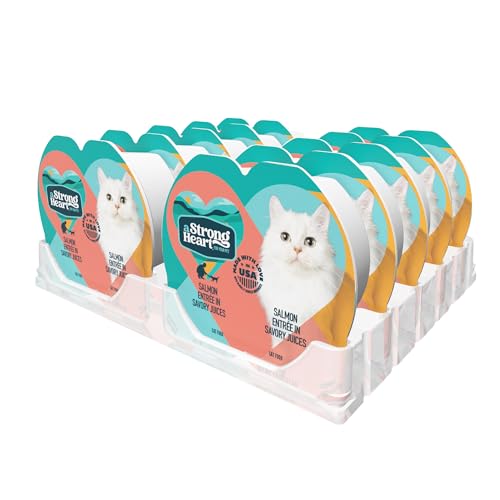
A Strong Heart Split Cup Wet Cat Food Salmon Entree 2.6 oz Split Cups
More Details On Our Top Picks
Dry kibble makes feeding simple, and this one stands out because it’s built around chicken first while also addressing a separate household concern, cat allergens. In a home where a cat sleeps on the couch or rides in the car often, that kind of practical design can matter more than flashy branding.
The trade-off is straightforward, dry food won’t suit every cat that needs more moisture in the bowl. For cats already doing well on kibble and for households that want a familiar texture, this is an easy, tidy daily option.
Strong Points
- Chicken leads the formula, which usually helps palatability for fussy dry-food cats.
- The allergen-reducing claim makes it relevant for homes managing shedding-related concerns.
- Digestible ingredients and carbohydrate sources support steady everyday feeding.
- Omega-6 fatty acids add a skin-and-coat angle that suits cats with dry-looking fur.
Things To Consider
- It’s still a dry formula, so it does not add bowl moisture.
- Some cats need a slower switch from their current kibble to avoid resistance.
- The allergen-focused angle helps household management, but it isn’t the same as a medical diet.
Feature Snapshot
Who It Suits Best
Households that want a dry daily food and care about allergen management will get the most from this bag.
A Better Fit Elsewhere
Hill’s Prescription Diet k/d Wet Cat Food suits cats that need a moisture-forward wet meal and a more specialized feeding plan.
Supplement capsules fill a different role than food, and this one is built for daily cardiac support rather than mealtime variety. Taurine, L-carnitine, vitamin E, hawthorn berry, and CoQ10 give you a formula that fits cats who already eat well but need an added routine.
For a cat that accepts pill pockets or sprinkles, the serving flexibility helps. The honest read is that capsule supplements are only easy when your cat cooperates, so this suits calm routines better than wrangling sessions.
Bright Spots
- Multiple actives give the formula a focused heart-support profile.
- CoQ10 is included at 50 mg, which will matter to supplement-minded shoppers.
- You can give it whole, hide it in a pocket, or open it and sprinkle it.
- The capsule format fits cats that won’t accept powders mixed into food.
Softer Spots
- Capsules can be awkward for cats that resist any pill-like routine.
- It adds another step to meal prep, so consistency matters.
- The product is a supplement, not a complete food replacement.
Core Details
Built With In Mind
Cats already comfortable with capsules or food toppers are the best match here, especially in homes that prefer supplement support alongside a regular diet.
Where A Sibling Pick Shines
Purina ONE LiveClear Dry Formula suits you better when the main goal is a full daily kibble rather than a supplement routine.
This is the most purpose-built food in the set, and that changes the whole conversation. Rather than trying to be broad or flashy, it leans into a wet, stew-style meal that works for cats who need a more controlled feeding approach.
Compared with the dry picks above, the moisture-rich texture is the main reason it belongs on this list. That makes it a strong match for cats that eat better with soft food or benefit from a meal that’s easier to chew and swallow.
What We Like
- The stew texture is straightforward and easy to serve.
- Wet food adds bowl moisture, which many cats naturally prefer.
- It comes in multiple package and can sizes, so you can fit the feeding rhythm to your household.
- The formula’s kidney-care positioning makes it clearly different from general-purpose foods.
Points To Note
- This is a specialized food, so it makes the most sense in a vet-guided routine.
- Once opened, wet food needs ordinary refrigeration and a little extra planning.
- Some cats prefer stronger aroma or a different texture, so palatability still varies.
Technical Sheet
Who Should Grab It
Cats on a targeted wet-food plan, especially those that do better with a softer texture and smaller can portions, fit this product well.
Another Choice May Suit
Weruva Press Your Lunch Chicken Pate is the easier everyday wet-food pick for cats that need a simpler ingredient profile without the prescription-style framing.
After the prescription-style pick, this one feels much more relaxed and kitchen-friendly. The white meat chicken pâté is pureed into a creamy texture, so it’s an easy serve for cats that like soft food without a lot of extra chew.
It also brings a cleaner ingredient story than many basic wet foods, which matters in homes trying to keep mealtime simple. The trade-off is that it stays firmly in the texture-first lane, so you’re choosing it for ease and composition rather than for a highly specialized feeding plan.
Highlights
- Creamy pâté texture works well for many adult cats.
- Chicken is the main protein source, which keeps the flavor profile familiar.
- Grain-free and free of corn, wheat, soy, carrageenan, and artificial colors or preservatives.
- Low phosphorus, magnesium, and ash support a more measured wet-food approach.
- Its 3 oz cans make portioning manageable in smaller feeding routines.
Minor Gripes
- Pâté texture is a preference issue, some cats want shreds or gravy.
- Small cans can mean more openings during the week.
- The product page gives a lot of environmental and manufacturing detail, but not every shopper needs that level of depth.
Core Details
Whose Shelf It Belongs On
Homes that want a soft, poultry-based wet food with a cleaner ingredient list will appreciate this one most.
Skip It When
Hill’s Prescription Diet k/d Wet Cat Food fits better for cats that need a more specialized meal plan than a general wet-food option.
Some dry foods lean plain, and this one does the opposite with a protein-heavy recipe built around turkey and chicken. For cats that keep coming back to the bowl for crunch, that combo can make daily feeding easier than a softer formula.
Compared with Purina ONE LiveClear, this bag is less about household allergen management and more about a protein-forward recipe. The honest read is that it suits active cats and routine dry feeders better than cats that need moisture at every meal.
Positives
- Turkey and chicken give the recipe a clear poultry profile.
- The grain-free formula is useful for homes avoiding common cereal grains.
- High protein content suits cats that do well on meat-forward dry food.
- No fillers keeps the ingredient list more focused.
- Crunchy bites help with texture acceptance for kibble fans.
Room For Improvement
- Dry food still leaves moisture management up to the rest of the diet.
- The recipe focus is broad, not tailored like a prescription-style food.
- High-protein dry formulas can be too rich for some sensitive cats, depending on the cat.
Details At A Glance
Best Suited To
Dry-food households that want a protein-heavy recipe and don’t need extra moisture built into every meal fit this bag well.
Look Elsewhere When
Weruva Press Your Lunch Chicken Pate is the better match for cats that need a softer wet texture and more bowl hydration.
Salmon takes the lead here, and that gives this canned pâté a simple protein story that’s easy to understand at the bowl. In a house that rotates wet foods or serves multiple small meals a day, 3 oz cans can be a tidy format.
It sits between the more specialized Hill’s can and the cleaner Weruva option. The difference is that this one feels more straightforward and less boutique, which can be exactly what you want in a regular rotation.
Upsides
- Real salmon appears as the main protein source.
- The pâté texture is easy to spoon and portion.
- Small cans help keep serving sizes predictable.
- The 24-can pack works well for multi-cat or rotation feeding.
Areas To Watch
- Salmon-based food is not every cat’s first choice.
- Wet canned feeding means more cleanup than dry kibble.
- The recipe leans simple, so it won’t appeal to shoppers wanting a long feature list.
Feature Rundown
Right Fit For
Homes that want a simple salmon wet food in a manageable can size will get the most from this pack.
Where A Sibling Pick Shines
Hill’s Prescription Diet k/d Wet Cat Food is the stronger match for cats that need a more controlled, veterinary-style feeding plan.
Treat-style supplements solve a very different problem, they make a heart-support routine feel less like medicine and more like a snack. That matters for cats that turn away from capsules, especially in homes where every extra step at feeding time slows things down.
The crunchy format and chicken flavor are the main draws here. Still, you’ll want to be realistic, because treat supplements are only helpful when the cat accepts them and the rest of the diet already fits the bigger picture.
Best Bits
- Crunchy chews can be easier to offer than a capsule.
- Taurine plus CoQ10 gives the treat a focused supplement angle.
- Chicken flavor helps it feel more like a reward than a chore.
- The 16 oz size gives you room for a regular routine.
Small Caveats
- Treats should stay in the role of a supplement, not a full meal.
- Crunchy texture won’t suit cats that only accept soft snacks.
- Flavor acceptance can vary, which is normal for treat products.
Feature Card
Perfect Match For
Cats that enjoy crunchy treats and need supplement support in a snack format are the best match here.
Reach For A Different Pick When
Fera Pets Heart Supplement fits better for cats that need a capsule-based supplement with more flexible dosing options.
The split-cup format makes this one easy to understand at a glance, two measured servings in one package. For busy kitchens or travel days, that kind of portioning can feel as tidy as a packed lunch, without the guesswork that comes with larger cans.
It also broadens the ingredient profile with poultry in the formula and a shorter list of common fillers avoided. Compared with the standard A Strong Heart can above, this is the more convenient serve-and-move option.
Positives
- Two single-serve portions reduce leftovers.
- Split cups make serving cleaner and quicker.
- Real salmon and poultry lead the recipe.
- No by-product meals, corn, wheat, grains, or soy are listed.
- Added vitamins and minerals round out the formula.
Worth Noting
- The portioned format may feel small for very large meals.
- Convenient packaging can mean more individual containers to open.
- As with most wet foods, opened portions need normal fridge handling.
Core Details
The Right Fit
Small-portion feeding routines and travel-friendly meal prep fit this split-cup pack especially well.
Swap It Out When
A Strong Heart Salmon Dinner Pate is better for cats that do fine with standard cans and want a simpler wet-food package.
How To Choose The Right Cat Foods For Cats With Heart Disease
Start With The Feeding Format Your Cat Accepts
Wet food often helps because it adds moisture and can be easier to chew, especially for older cats or picky eaters. Dry kibble still has a place for cats that prefer crunch and for homes that want simpler storage and less mess.
Supplements sit in a different lane. Taurine and related nutrients belong in a routine that already has a complete food, so they work best as support rather than as the entire answer.
Read The Protein Story, Not Just The Front Label
Look at the main protein source and the format together. Chicken, salmon, and turkey each bring a different flavor profile, and that matters for acceptance in a real kitchen where a cat may ignore anything unfamiliar.
For heart-aware feeding, consistency matters more than novelty. A food your cat eats calmly every day is more useful than a fancy recipe that gets refused after two bowls.
Think About Texture, Moisture, And Portion Control
Pâté, stew, split cups, crunchy bites, and capsules each solve a different problem. Pâté and stew are easier for many cats to manage, while split cups help reduce leftovers and capsule supplements give you precise routines.
Portion size also shapes your day. Smaller cans and split cups work well in households that feed in stages, while larger bags and tubs make more sense for steady routine use.
Match The Food To The Whole Household Routine
The right pick should fit your storage space, cleaning habits, and how much hands-on feeding you want to do. Dry food is simpler to store, but wet food can fit a more moisture-forward meal plan.
For multi-cat homes, the easiest food to serve consistently often wins out over the most detailed recipe. That’s especially true when one cat is fussy and another eats faster than the first.
Things Worth Knowing First
Common Shopping Slip Ups
One common mistake is choosing a food for the label mood instead of the actual feeding routine. A wet formula sounds careful, but it only helps when your cat will eat it consistently and you’re ready for the cleanup that comes with it.
Another misstep is treating supplements like food or food like a supplement. Taurine capsules and chews are support items, while complete foods still need to carry the main nutrition load.
The Upgrade Payoff
Higher-tier options often cost more because of format, ingredient structure, or specialized positioning. Wet foods in smaller portions, split cups, and prescription-style formulas usually ask more from the manufacturing side and from your routine.
The upgrade makes sense when your cat needs easier chewing, better moisture, or a tighter feeding plan. In a calm home with a picky cat, the better texture alone can justify the step up.
Frequently Asked Questions
Can dry food work for a cat with heart disease?
Dry food can work as part of a broader feeding plan when your cat tolerates kibble well. Moisture matters too, so many homes pair dry food with wet meals or carefully managed water intake.
Why does taurine show up so often in heart-focused cat products?
Taurine is a common ingredient in heart-focused supplements because it fits this category’s nutritional purpose. It still works best as part of a complete feeding routine, not as a substitute for food.
Is wet food usually easier for older cats?
Wet food is often easier because it is softer and usually more aromatic. That can help in homes where chewing, appetite, or day-to-day consistency has become a little more delicate.
Should you pick a prescription-style food first?
Prescription-style food makes sense when the feeding plan is already guided by a veterinarian. For more general support, a moisture-rich wet food or a clean dry formula can be a simpler starting point.
Do treat supplements replace capsules?
No, treats and capsules serve different routines. Treat supplements are handy for cats that accept crunchy snacks, while capsules suit cats that handle pills or hidden dosing better.
Final Thoughts
The right pick depends on how your cat eats, not just on the label. Wet food makes mealtime easier for many homes, dry kibble suits routine feeders, and supplements fill a support role when your cat already has a steady diet. That’s why this list includes several very different formats instead of forcing one answer. Pick the option that fits your cat’s daily habits, and you’ll have a much smoother feeding routine.