
Not as a formal diagnosis, but a cat that races, paces, vocalizes, or can’t settle can still look very similar. Kittens, stress, pain, and thyroid disease can all create the same scattered energy that sends you looking for an answer.
If a cat seems wired, the next step is sorting normal feline behavior from a medical problem. This overview is for anyone trying to tell the difference before deciding whether a vet visit is needed.
Why feline restlessness gets mistaken for ADHD
Short bursts of sprinting can look unfocused, yet cats are built for hunt, stalk, pounce, and rest. That cycle isn’t ADHD in people, and cats aren’t formally diagnosed with it.
Kittens bring predator energy
Kittens run hot. A 6-month-old cat may dart, leap, and bite at moving toes because impulse control is still developing while the body is packed with play energy. That’s why do cats have ADHD comes up so often in homes with young cats.
The shorthand also sticks because cat behavior problems can look messy from the outside. A cat that starts, stops, circles, and loses interest in a toy after 20 seconds may seem scattered, yet the deeper pattern may be boredom, overstimulation, or plain prey drive.
That distinction keeps you from missing a health problem while also preventing a normal kitten from being treated like a disorder case. Guidance from the American Veterinary Medical Association supports that medical-and-behavioral approach.
That distinction matters most when high spirits cross into patterns that disrupt sleep, play, or learning.
Normal energy versus problem behavior
A busy cat with a healthy outlet settles after play, mealtime, and a nap in a sun patch. A cat with a problem keeps running past that point, then escalates into nonstop pacing, constant vocalizing, or destruction that keeps getting worse.
Signs that cross the line
Nonstop pacing around the same hallway, yowling at closed doors for long stretches, ripping blinds apart at dawn, and failing to calm down after a wand toy session point away from simple playfulness. Those are signs of hyperactivity in cats that deserve closer attention.
- Long pacing loops – Repeated back-and-forth movement can signal stress, pain, or a neurologic issue.
- Persistent vocalizing – Loud, frequent yowling can point to discomfort, confusion, or thyroid disease.
- Destructive bursts – Torn fabric or shredded doors can come from frustration and under-stimulation.
- Quick overstimulation – A cat that cannot settle after play may be running on stress rather than spare energy.
- Sleep disruption – Nighttime roaming can follow fear, illness, or a mismatched daily routine.
Boredom and stress magnify all of that. A cat with three staring jobs, no climbing space, and a feeding routine that changes every day can look wired, but the real issue is an empty environment that never gives the brain a stable rhythm.
That is why the American Association of Feline Practitioners puts environmental enrichment and routine near the center of feline care. Stable daily structure often lowers feline attention issues before medication or formal behavior work enters the picture.
Even then, not every burst of energy is behavioral, because hidden illness can mimic constant overactivity.
Medical conditions that can look similar
One medical condition keeps showing up in agitated older cats: hyperthyroidism. It speeds metabolism, which can drive hunger, weight loss, restless movement, agitation, and loud behavior that looks a lot like a cat that cannot settle.
Thyroid disease changes the whole system
Hyperthyroidism raises circulating thyroid hormone, and that hormone turns up the body’s pace. Heart rate can climb, sleep can fragment, and muscle use can feel jerky or intense, so the cat burns through energy without acting calm enough to rest.
That pattern matters because thyroid disease is common enough that a veterinarian will think about it early, especially in middle-aged and older cats. Bloodwork can show the pattern, and treatment choices depend on age, kidney status, and the cat’s general health.
Pain and neurologic problems matter too
Arthritis, dental pain, urinary pain, brain inflammation, and seizure disorders can all distort focus or impulse control. A cat in pain may pace, lash out, hide, or stop using the litter box because movement itself has become uncomfortable.
Neurologic disease can also change behavior in a way that looks random from the couch. Repetitive head pressing, staring spells, aimless walking, or sudden disorientation aren’t personality quirks, and they push the problem into differential diagnosis territory fast.
That’s why a veterinarian should rule out physical causes before any behavior label enters the conversation. A cat that seems hyperactive might have nothing to do with attention and everything to do with a body that is sending constant noise through the system.
A cat that cannot settle may be wrestling with pain, hormones, or another silent medical problem.
Behavior clues that merit a vet visit
A sudden personality shift matters more than a lifelong quirk. A cat that slept quietly for years and then starts racing, hiding, or yelling at night deserves a medical look, especially for when to see a vet for cat behavior that changed without warning.
Changes that should not be ignored
Appetite shifts, litter box changes, and social changes can be early signs of disease, not just stress. A cat that suddenly eats ravenously, stops grooming, stops greeting you at the door, or starts missing the box has crossed into exam territory.
- Sudden energy shift – New restlessness in a settled adult cat deserves a vet visit.
- Appetite change – Eating far more or far less can point to thyroid or pain issues.
- Litter box change – Missing the box or straining can signal urinary trouble.
- Social withdrawal – Hiding or avoiding touch can come from pain or anxiety.
- Confused movement – Wandering, circling, or repetitive motions can need neurologic assessment.
A veterinarian is more than a label-giver here. A good exam can separate anxiety, thyroid disease, pain, and a brain issue, and that differential diagnosis keeps you from guessing at the wrong cause while the real one keeps building.
Concrete scenes that deserve attention
A ten-year-old cat that starts yowling at 3 a.m., drops weight, and begs for food after every meal fits a very different pattern from a playful young cat. Another cat that paces the hallway and then snaps when you touch the hindquarters may be sending a pain signal, not a behavior complaint.
A third example is the cat that twitches, stares, and seems briefly absent during a burst of motion. That pattern can suggest a neurologic problem, which is why persistent or worsening changes should not be explained away as a quirky temperament.
Repeated missteps, circling, or sudden changes in coordination point beyond temperament and toward something more serious.
What a proper diagnosis really looks for
Proper evaluation starts with the body, not with a human psychiatric label. Cats are not diagnosed with ADHD the way people are, and true mental disorders in cats are assessed very differently from the DSM-5 categories used in human medicine.
What the vet checks first
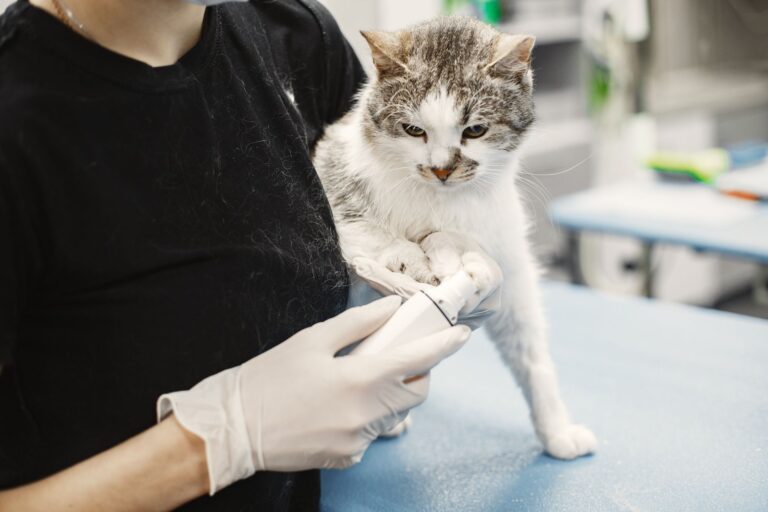
A physical exam often comes before anything else, then bloodwork, urine testing, and a careful history of sleep, appetite, stool, litter use, and recent changes at home. Many vets also listen for a heart murmur, check the thyroid, and assess pain in the spine, hips, and mouth.
| Tool | What It Looks For | Why It Matters |
|---|---|---|
| Physical exam | Pain, weight loss, heart rate, coat quality | Offers the fastest read on whole-body illness |
| Blood panel | Thyroid hormone, organ function, inflammation clues | Helps rule in hyperthyroidism and other illness |
| Urinalysis | Urinary infection, crystals, hydration status | Explains litter box changes and discomfort |
| Behavior history | Triggers, timing, sleep, play, home changes | Separates stress from disease patterns |
Once medical disease is ruled out, a cat behaviorist becomes useful. That specialist studies triggers, reinforcement, and environment, which can uncover why a cat keeps pacing one doorway or lashing out after overstimulation.
One scientific point helps here: the feline stress response can keep cortisol and arousal high long after a trigger ends. That lingering state is why a cat may still act wound up after the sound, visitor, or roommate change has passed.
What mental health means in cats
True behavioral disorders in cats exist, but they are not a mirror of human ADHD. Anxiety, compulsive behavior, and fear-based reactivity are more realistic terms than attention disorder, and they require a veterinary behavior plan rather than a borrowed human label.
DSM-5 matters because it shows the human side of diagnosis, where the criteria are built for people, not cats. The shape of the symptoms may look similar, but the medical language and treatment logic are different.
Because the label itself comes from human medicine, careful evaluation focuses on symptoms, history, and underlying triggers instead.
Ways to calm the cat in front of you
Routine works because cats read the day by pattern, not by clock sophistication. Same meal windows, same play times, and the same resting spots lower uncertainty, and that lowers the chances of hyperactive-like bursts.
Daily structure that helps
Environmental enrichment is the practical antidote to empty space. You can add a puzzle feeder, a window perch, a tall cat tree, and two short play sessions with a wand toy, then see whether your cat settles more cleanly after meals.
- Predictable feeding – Feed at the same times so the body settles into a stable rhythm.
- Interactive play – Use 5- to 10-minute sessions that end with a small meal or snack.
- Vertical space – Add shelves, perches, or a cat tree to reduce corridor pacing.
- Puzzle feeders – Slow the meal down and give the brain a job.
- Low-stress zones – Keep a quiet hide area away from dogs, kids, and loud machines.
Those changes help because cat brains like short hunts followed by reward and rest. A wand toy mimics prey movement, while a food puzzle completes the chase-reward loop, which is why the cat often seems calmer after a structured session than after random roughhousing.
Watch the pattern after you add structure, not just the behavior in the moment. A cat that settles within 20 to 30 minutes after play is showing a very different profile from one that stays revved up all night.
Once illness is addressed, good management often does the rest of the work. The cat in front of you may still be active, but activity with rhythm looks very different from behavior that feels chaotic and hard to live with.
Can cats have ADHD as a formal diagnosis? No, and that answer should steer you toward the real cause, whether that is thyroid disease, pain, anxiety, or a home setup that leaves too much energy with nowhere to go.
Practical changes then help translate that diagnosis into relief, without assuming the cat has an attention disorder.
Wrap Up
What looks like ADHD in a cat is far more often a medical or environmental signal. A young kitten may simply be young, but a sudden shift in an adult cat deserves a veterinary exam before you call it temperament. Once the cause is clear, routine and enrichment can change the whole picture.
FAQ
Can cats have ADHD?
Veterinarians do not formally diagnose ADHD in cats. A cat that seems hyperactive, impulsive, or scattered usually has another explanation, such as age, stress, pain, thyroid disease, or a neurologic issue.
How do I tell if my cat has ADHD?
You cannot diagnose ADHD at home in a cat because that label is not used in feline medicine. A veterinarian looks for medical causes, and a cat behaviorist can help if the problem is tied to stress, boredom, or anxiety.
What mental disorders can cats have?
Cats can show anxiety, fear-based reactivity, compulsive behavior, and stress-related problems. Those conditions are evaluated through behavior history, physical exam, and the home environment, not through human psychiatric labels.
Can cats be autistic?
No confirmed autism diagnosis exists for cats in the way it does for people. Repetitive motions, poor social response, or unusual sensitivity in a cat point first to medical, neurologic, or behavioral causes that need professional review.
Why is my cat so hyperactive?
Age, boredom, stress, under-play, and illness can all drive hyperactive behavior. Hyperthyroidism, pain, and neurologic disease are common medical reasons to check, especially when the change is sudden or keeps getting worse.