
Small vinyl or silicone covers fit over each claw to blunt scratching while preserving normal movement. They can spare a sofa, a child’s skin, or a hardwood floor without stopping a cat from stretching, climbing, or retracting claws.
Here’s what matters most: fit, application, comfort, cost, and the veterinary view for homes trying to balance scratch control with routine grooming.
What Cat Nail Covers Actually Are
A cap slides over each claw like a tiny sleeve, and the sharp point stays hidden until the shell sheds with the nail’s natural growth. Most products cover only the front paws, since those claws do most of the damage to furniture and skin.
The material flexes with movement, so a cat can still extend and retract the claws in the usual way. Soft Paws helped popularize the category in clinics, and Purrdy Paws is another name often seen in pet supply aisles, each using the same basic idea.
How The Shape Works
The shell sits over trimmed claws and leaves the toe structure alone. That matters because the claw keeps growing under the cover, and the outer layer sheds later on its own.
Veterinarians often describe the fit as a snug thimble, not tape or a wrap. A proper cap moves with the toe, while a loose one slips off early and a tight one can rub the nail bed.
What The Cat Still Does
Your cat can walk, knead, and stretch with the caps in place. The main change is contact, since the blunt tip no longer digs into upholstery or skin.
That’s why cat claw covers show up in homes that need scratch control without changing a cat’s basic behavior. The next step is deciding whether that trade-off fits your household.
That compromise usually appeals most when furniture protection matters more than altering a cat’s instincts.
Why Many Owners Reach For Them
A scratched armrest can appear in a single evening, and a quick swipe across a forearm can hurt more than the mark suggests. Cat nail caps reduce that edge, so they work as a practical layer of scratch prevention in busy homes.
They also appeal to people who want a declawing alternative. The ASPCA opposes declawing because it removes part of the toe, while caps leave the claw and paw structure intact.
Furniture And Skin Get The Most Benefit
Leather, woven fabric, door frames, and window screens all take repeated wear from claw tips. A cap softens that contact, which can mean fewer pulled threads and less accidental skin damage during play.
A kitten that launches off the couch or an adult cat that climbs a cat tree can still move normally, but the blunt tip changes the damage pattern. That matters most in homes with toddlers, elderly family members, or expensive upholstery.
Why Clinics And Groomers Suggest Them
Pet groomers and veterinarians sometimes suggest soft nail caps for cats when nail trims alone do not solve the scratching problem. They can also make sense for short periods after a trim or a minor paw issue, as long as the nail is healthy.
Because the caps are temporary, they suit households that want a reversible option. Once that idea makes sense, the next challenge is fit, since sizing affects comfort more than color or brand.
Once the trade-off feels reasonable, the real work begins with measuring paws for a secure, comfortable match.
Getting The Fit Right Before Application
Size is the part that decides whether the cap feels invisible or irritating. Brands often sort by weight, age, or claw diameter, but the best match still depends on how the shell sits on the individual nail.
A snug fit should cover the claw without pinching the base or leaving a long loose tail. Cat nail caps that slide around tend to fall off early, while tight ones can press on the toe and trigger chewing or licking.
Measure The Claw, Not Just The Body
Weight gives a starting point, but a large-boned young cat can have smaller claws than a compact adult. A quick look at the front nails tells you more than the scale alone.
Look for a cap that reaches the full nail but doesn’t compress the skin at the opening. The goal is a clean cylinder, not a squeeze fit.
Watch For Signs Of Poor Fit
Slipping, early loss, redness, and extra grooming around the toe all point to a sizing problem. Those signs matter because friction near the nail bed can turn a simple grooming aid into a comfort issue.
One practical check helps here: press the toe gently after placement and watch the cat stand, step, and stretch. A good fit stays quiet, which is exactly what you want before the adhesive sets.
When the size is right, careful application becomes easier and the cat is far more likely to accept them.
Keep a spare size on hand for the next application cycle. Claw diameter can change after a growth spurt, a trim, or a veterinary visit.
A Careful Application Process
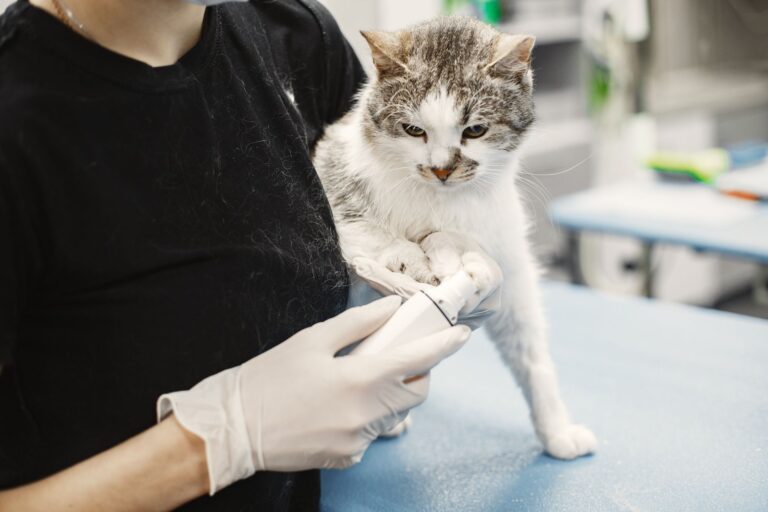
The best application starts with clean, trimmed claws and a calm cat on a stable surface. Pet-safe adhesive inside the cap does the holding, so the prep work matters as much as the placement.
Trim only the sharp tip before you start, since long nails make the cap sit crooked. Then fill the cap about one-third full with glue, not enough to ooze into the toe, and fit one nail at a time.
Set Up The Paw Before Gluing
A towel, a small treat, and a bright lamp help more than rushing does. Keep the cat on your lap or a low table, and handle one front paw at a time so the process stays controlled.
Check the nail length after trimming. The shell should cover the tip with a little room at the end, because a blunt point inside the cap can press outward as the claw grows.
Place Each Cap With A Steady Hold
Press the cap over the claw, then keep it steady until the adhesive grabs. Most cats need only a few seconds per nail, but a restless paw can undo the placement before the glue bonds.
After all caps are on, watch a short walk across the room. The cat should place the paws flat, stretch on cue, and retract the claws without obvious distress.
Common Mistakes To Avoid
- Skipping the trim, which leaves too much nail inside the shell and can push the cap off.
- Using too much adhesive, which can squeeze onto fur or skin around the toe.
- Rushing the hold time, which raises the chance of a loose fit after a few steps.
- Capping damaged nails, which can trap irritation and make the toe more tender.
- Ignoring the hind paws, since front claws do most of the scratching and need the most attention.
That process sounds simple on paper, yet the comfort check matters more than the glue itself, which is where veterinary judgment comes in next.
Because even a neat application can still irritate, the bigger question is how they affect daily comfort and safety.
Safety, Comfort, And Veterinary Perspective
Many veterinarians consider cat nail caps humane when the claws are healthy, the fit is correct, and the adhesive stays off the skin. The capsule is temporary, and the paw anatomy stays intact, which separates it from declawing in a serious way.
The caution is straightforward: a glued cap should never hurt, pinch, or stay on a cracked nail. Chewing, redness, swelling, or an odd gait means the fit or placement needs attention right away.
What Vets Watch For
A veterinarian checks for nail infection, broken tips, ingrown edges, and any toe pain before suggesting caps. Those conditions matter because a cover can hide problems that need direct care.
The AVMA has long drawn a line between claw control and declaw surgery, and that distinction matters in daily practice. A reversible covering respects the nail structure, while surgery removes bone and changes the way the paw bears weight.
Why Behavior Still Matters
Some cats chew the caps for a day or two, then settle once the feel becomes normal. Others keep pulling at them, which can signal that the size is off or that the cat dislikes the sensation.
A single cat may handle kitty caps well while a different cat in the same home refuses them, so behavior matters as much as fit. That mismatch is normal, and it’s why the replacement rhythm matters next.
A cat’s response can vary widely, which is why lasting value depends on both durability and ongoing expense.
Watch the front paws during the first hour. Quiet walking, normal stretching, and no frantic chewing point to a comfortable fit.
How Long They Last And What They Cost
The shell comes off as the claw grows and the outer sheath sheds, which is part of normal nail turnover. That means the cover is temporary by design, not a permanent fixture.
Many caps stay on for several weeks, though active climbers, frequent scratching, and fast claw growth can shorten that span. A kitten may need more frequent replacement than a calm adult, especially during growth spurts.
What Changes The Replacement Schedule
Fast-growing claws shed their outer layer sooner, and that loosens the bond. A cat that spends time on carpeted stairs or a tall scratching post can also wear caps faster than a cat with a quieter routine.
Check the front nails every week so a loose shell doesn’t snag on fabric or get mouthed off. That small habit also tells you whether the fit is holding across the whole paw.
What Drives The Price
Brand, pack size, and application method shape the total cost. A home kit costs less than a clinic or groomer visit, while professional placement can suit a cat that resists handling.
Soft Paws and similar brands are sold in starter packs that include caps and adhesive, while pet groomers may charge for labor alone. Your total depends on whether you’re replacing a few lost caps or paying for the whole paw set each cycle.
| Purchase Path | Who Applies It | What Affects Cost |
|---|---|---|
| Home kit | You | Brand, cap count, adhesive tube size |
| Groomer visit | Pet groomer | Labor time, cat behavior, needed size |
| Veterinary application | Veterinarian or technician | Exam fee, nail health, follow-up visit |
That mix of temporary wear and recurring replacement is what makes cat nail caps more of a grooming routine than a one-time fix.
Taken together, those recurring costs make them a short-term solution with an ongoing grooming commitment.
Wrap Up
The real value of cat claw covers isn’t mystery or miracle, it’s control. You keep the claw, the paw stays intact, and your furniture or skin takes less of the hit when the fit, adhesive, and checkups all line up.
FAQ
What do vets think about cat nail caps?
Many veterinarians view them as humane when the claws are healthy, the fit is correct, and the adhesive stays off the skin. They’re a temporary grooming tool, not a surgery, so they fit well in homes that want scratch control without changing paw anatomy.
Are claw covers good for cats?
They can be a solid choice for cats that tolerate handling and for homes that need a gentler barrier against scratching. The best results come from proper sizing, careful placement, and a cat that walks and stretches normally after application.
How long do cat claw caps stay on?
Many stay on for several weeks, then fall off as the claw grows and the outer sheath sheds. Fast climbers, kittens, and very active cats may lose them sooner, so weekly checks help you stay ahead of loose shells.
How do you put nail caps on a cat?
Trim the sharp tip, place pet-safe adhesive inside the cap, and slide it over one claw at a time. Hold each cap in place until it grips, then watch the cat walk, stretch, and retract the claws to confirm comfort.
Do cat nail caps hurt?
They should not hurt when the size fits and the adhesive stays away from skin. Pain, chewing, redness, or swelling points to a problem, and a damaged nail should be checked before another application.
How much does it cost to put claw caps on cats?
The total depends on brand, cap count, and who applies them. A home kit covers the basics, while a groomer or veterinary visit adds labor or exam fees, so the final amount varies with the route you pick.