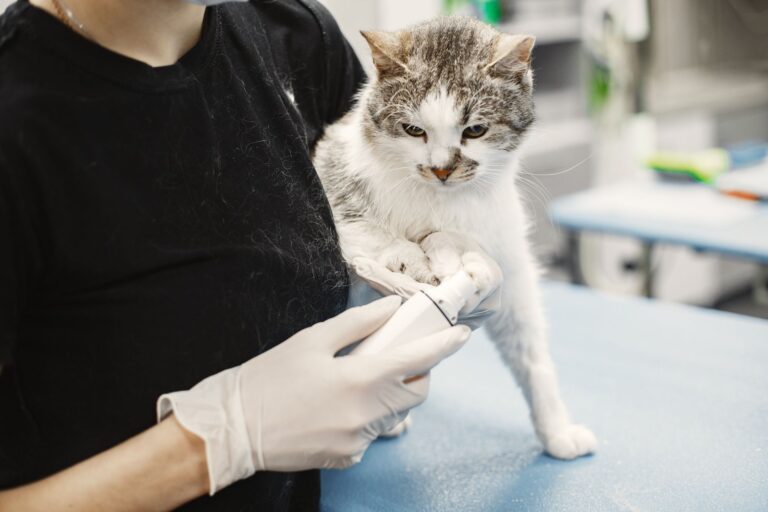

Cat stomach trouble can turn mealtimes into guesswork, and that gets old fast. You need foods that narrow the ingredient list, keep texture in mind, and fit the way your cat actually eats, whether that means dry kibble, wet pâté, or small portion trays. The eight picks below cover veterinary formulas, limited ingredient recipes, and a few broader daily-feeding options for cats whose diets need a gentler touch.
Quick Look At The Shortlist

Hill’s Prescription Diet z/d Hydrolyzed Dry Cat Food

Hill’s Science Diet Sensitive Stomach & Skin Wet Cat Food Variety Pack

Stella & Chewy’s Raw Coated Cat Food

Open Farm Grain Free Dry Cat Food Wild-Caught Salmon Kibble

Instinct Limited Ingredient Diet Wet Cat Food Rabbit

Sheba Perfect Portions Grilled Bites Wet Cat Food Variety

Purina ONE Plus Whole Body Support Chicken Dry Cat Food

Pro Plan Veterinary Diets Purina HA Hydrolyzed Feline Formula Dry Cat Food
More Details On Our Top Picks
Dry formulas with a short path from bowl to digestion are hard to beat for cats that react to crowded ingredient lists, and this one leans hard into that idea. Hydrolyzed protein means the protein is broken into smaller pieces, which matters because it can be easier for a sensitive system to ignore. For a cat that scratches, grooms obsessively, or seems unsettled after meals, that narrower recipe can be a sensible starting point.
The trade-off is plain enough, this is a prescription-style diet, so it asks you to stay disciplined about treats and table scraps. Compared with Hill’s Science Diet wet variety pack later in the list, it’s the more targeted option, while being less convenient for cats that only drink from wet food. That makes it strongest for households that want structure more than variety.
Upsides
- Hydrolyzed chicken recipe narrows the protein profile, which helps simplify feeding decisions.
- Dry kibble stores easily and suits cats that already prefer crunchier meals.
- The skin-barrier focus gives you a practical option for cats with flaky or irritated coats.
- Well suited to a strict rotation plan, since the ingredient story stays consistent.
Points To Note
- Dry texture won’t suit every cat, especially those that only accept wet meals.
- The tighter diet approach leaves little room for casual add-ins.
- Some homes will need more patience while a cat adjusts to the formula.
Feature Rundown
Who It Suits Best
Households managing a cat with a very specific food routine and a clear need for dry kibble will get the most from this one.
A Better Fit Elsewhere
Instinct Limited Ingredient Diet Wet Cat Food, Rabbit suits cats that do better with a wet pâté and a single-animal-protein menu.
A wet variety pack like this helps you learn what a picky or touchy cat will actually finish, and that’s useful when mealtimes keep changing from one week to the next. The minced textures and mixed flavors, including chicken, tuna, duck, and salmon options, give you some room to adjust without leaving the format of wet food. In a home where dry kibble gets ignored, that flexibility can matter more than a long ingredient list.
The honest read is that variety also brings more moving parts, so you give up the simple, single-protein feel of Instinct’s rabbit pâté. On the flip side, a cat that gets bored easily may prefer this softer rotation. It feels like a sensible bridge between full-on prescription diets and everyday feeding.
What We Like
- Multiple flavors help you match a cat’s changing preferences.
- Wet cans can support easier mealtime hydration habits for cats that avoid dry food.
- Minced texture works well for cats that dislike large chunks.
- Small 2.9-ounce cans help keep portions tidy.
Room For Improvement
- Flavor variety adds complexity for cats that do best on a single recipe.
- Can feeding means more open-and-serve handling than dry food.
- Some homes will still need a stricter diet than a general sensitive-stomach formula.
Core Details
Made For
Wet-food households that want variety without moving to a sharply specialized diet will feel at home with this pack.
Another Choice May Suit
Hill’s Prescription Diet z/d Hydrolyzed Dry Cat Food fits a cat that needs a tighter ingredient approach than a variety pack can offer.
Some dry foods aim for simplicity, and this one goes in the opposite direction with a raw-coated surface, high animal-protein content, and small kibble. That matters in a busy kitchen where you want one bag to serve kittens, seniors, and cats with smaller mouths, since the shape and size can make the bowl feel less intimidating. The freeze-dried raw coating is also a clear taste cue for fussy cats that turn their nose away from plain kibble.
Compared with Hill’s z/d, this is less about ultra-narrow ingredient control and more about taste plus digestion support. The trade-off is that grain-free and high-protein styling won’t fit every stomach, especially in homes that already know a cat prefers a gentler formula. Still, for cats that want dry food with more character, it stands out without getting too fussy.
Highlights
- Small kibble size helps cats with smaller mouths or dental sensitivity eat more comfortably.
- Raw coating adds a richer taste profile that can help with selective eaters.
- Natural fiber and probiotics give the recipe a digestion-minded angle.
- High animal-protein content suits homes that prefer a meat-forward dry food.
Softer Spots
- High-protein, grain-free styling won’t be the right fit for every sensitive cat.
- Dry food still asks your cat to drink enough water across the day.
- More ingredient layers can be less appealing than a stripped-down formula.
Details At A Glance
Perfect Match For
Cat households that want a meat-forward dry food with a smaller kibble profile and a strong taste appeal will get the most from this bag.
Swap It Out When
Pro Plan Veterinary Diets Purina HA Hydrolyzed Feline Formula Dry Cat Food makes more sense for cats that need a stricter hydrolyzed recipe.
This one puts ingredient traceability front and center, which tends to matter for shoppers who want a clearer paper trail for what goes into the bowl. The wild-caught salmon recipe adds a single, easy-to-follow protein story, and the prebiotic fibers give the formula a more digestion-aware angle. For households that compare labels closely, that combination feels reassuring without being overly complex.
Compared with Stella & Chewy’s, Open Farm feels a bit more ingredient-driven and a touch less taste-forward. The trade-off is that a grain-free, salmon-based dry food still may not suit every cat that needs the gentlest possible menu. For mixed-cat homes, it’s a polished choice, but not the most stripped-down one here.
Bright Spots
- Traceable ingredients make the recipe easier to evaluate at a glance.
- Wild-caught salmon gives you a clearly identified main protein.
- Prebiotic fibers offer a digestion-friendly touch without turning the formula into a specialized diet.
- All-life-stages positioning can help multi-age homes keep feeding simple.
Worth Noting
- Grain-free salmon kibble still isn’t the right answer for every sensitive cat.
- The ingredient story is clearer, but the formula is not as narrow as a hydrolyzed diet.
- Owners who want wet food will need another option from this list.
Feature Snapshot
The Right Fit
Ingredient-conscious households that want dry salmon kibble with a tidy label story will appreciate this one.
Where A Sibling Pick Shines
Hill’s Prescription Diet z/d Hydrolyzed Dry Cat Food is the stronger match for cats that need a more tightly controlled formula.
Wet pâté can make a big difference for cats that seem to reject chunkier food or need a softer texture at mealtime. This rabbit recipe keeps the ingredient list tight with one protein and one vegetable, which is exactly the sort of structure many sensitive-stomach homes look for. The creamy texture also helps it work as a full meal or a topper, depending on how much cooperation you get at the bowl.
Compared with Hill’s Science Diet variety pack, this is the more focused option and the less fussy one for ingredient control. The catch is that rabbit is still a distinct protein, so you need a cat that accepts it. In a home that wants simple food without sacrificing wet-food appeal, it lands in a useful middle ground.
Reasons To Buy
- Single-protein and single-vegetable structure keeps the recipe straightforward.
- Wet pâté texture helps cats that dislike shreds or chunky meals.
- Works as a full meal or as a topper for more selective eaters.
- Made in the USA with a clean, easy-to-follow ingredient profile.
Small Caveats
- Rabbit is a separate protein that won’t appeal to every cat.
- Canned food means more cleanup than dry kibble.
- The simple recipe helps, but it still isn’t a veterinary hydrolyzed diet.
Technical Sheet
Whose Shelf It Belongs On
Homes that want a simple wet-food routine with a single protein and a soft texture will get the most out of this rabbit pâté.
Look Elsewhere When
Hill’s Prescription Diet z/d Hydrolyzed Dry Cat Food makes more sense for cats that need a tighter protein profile and dry texture.
Portion-controlled wet food is handy when you want freshness without leaving an opened can sitting around, and this tray format is built around that routine. The snap-peel-serve design keeps each serving neat, while the grilled bites in sauce give you a softer alternative to pâté or minced cans. In a household that feeds smaller meals throughout the day, that can be a very practical setup.
Compared with Instinct’s rabbit pâté, Sheba leans more toward convenience and flavor rotation than ingredient simplicity. The trade-off is that you get a broader adult maintenance recipe rather than a tightly pared-down formula. For most homes, that means it works best as a controlled, easy-to-serve everyday wet option.
Best Bits
- Twin-pack trays help keep each serving separate and tidy.
- Variety pack format offers chicken, salmon, and tuna choices.
- Saucy grilled bites suit cats that like softer shreds instead of pâté.
- Small portions reduce leftover handling after mealtime.
Areas To Watch
- Adult-maintenance style feeding is broader than a targeted sensitive-stomach formula.
- Tray packaging creates more material to open and discard.
- Some cats needing tighter ingredient control will need a more specialized pick.
Feature Card
Best Suited To
Adult cats that eat in smaller portions and do well with a softer, saucier wet food will suit this tray pack nicely.
Reach For A Different Pick When
Instinct Limited Ingredient Diet Wet Cat Food, Rabbit is the better fit for a cat that needs a simpler ingredient story.
This dry formula sits closer to a mainstream daily food than the more specialized picks above, and that can be useful in homes that want one bag to cover a lot of ground. It includes live probiotics, taurine, vitamin E, choline, and omega-6 fatty acids, so the recipe tries to support digestion, heart, brain, skin, and coat in one pass. For a cat that tolerates chicken well and doesn’t need a strict therapeutic diet, it’s a sensible everyday option.
The trade-off is the same one that comes with broader formulas, you get coverage across several needs, but not the tight ingredient control of a hydrolyzed diet. Compared with Hill’s z/d or Purina HA, this is the looser fit. That makes it stronger for general maintenance than for cats with very picky food sensitivity patterns.
Standout Traits
- Real chicken gives the recipe a familiar protein base.
- Live probiotics add a digestion-minded feature to a daily dry food.
- Taurine, vitamin E, choline, and omega-6 support several routine feeding goals.
- No fillers or artificial flavors keeps the ingredient story cleaner than many standard kibble bags.
Honest Caveats
- Broader nutrition is useful, but it is not the same as a restricted diet.
- Dry format still depends on your cat’s water intake habits.
- Chicken-based food won’t suit every cat with a narrow tolerance list.
Spec Overview
Who Will Love This
Adult cats that handle chicken well and do fine on a straightforward daily dry food are the natural match here.
Another Choice May Suit
Pro Plan Veterinary Diets Purina HA Hydrolyzed Feline Formula Dry Cat Food is the smarter route for a tighter ingredient plan.
For a cat that needs a very controlled dry formula, this is the most purpose-built option in the group. Hydrolyzed protein and a single carbohydrate source keep the recipe narrow, and that simplicity can help make daily feeding easier to organize. In a home where ingredient tracing matters more than flavor variety, this kind of structure feels reassuring.
Compared with Purina ONE Plus, the ingredient list is tighter and the design is much more specialized. The trade-off is that it asks for more discipline and less improvising at mealtime. Still, for cats that need a veterinarian-directed approach, this is the clearest dry-food fit here.
Positives
- Hydrolyzed protein keeps the formula tightly focused.
- Single carbohydrate source simplifies the recipe further.
- Highly digestible structure helps the food make sense as a daily dry option.
- Added antioxidants give the formula a broader support angle.
Room For Improvement
- The specialized formula narrows flexibility at mealtime.
- Dry texture will not suit every cat that prefers wet food.
- It asks for careful consistency, especially in mixed-feeding homes.
Core Details
Built With In Mind
Households following a tightly controlled dry-food plan for a cat with a very sensitive stomach will find this one especially relevant.
Where Shoppers Go Wrong
Purina ONE Plus Whole Body Support Chicken Dry Cat Food is the easier pick for a cat that only needs everyday support rather than a hydrolyzed formula.
How To Choose The Right Cat Foods For Cats With Ibd
Start With Protein Simplicity
Short ingredient lists matter because they make it easier to spot what a cat tolerates. Hydrolyzed recipes, single-animal-protein wet foods, and narrow formulas with one main meat all reduce guesswork.
That said, simpler does not always mean better for every cat. A cat that accepts rabbit pâté may do poorly on salmon kibble, so the protein story matters more than the marketing tone.
Match Texture To Eating Habits
Dry kibble works well for cats that already crunch their meals and drink steadily across the day. Wet food helps when you want softer texture, smaller servings, or less stress at the bowl.
Portion trays, cans, and pâtés each solve a different problem. A cat that eats slowly may do better with small trays, while a cat that grazes may prefer a dry bag that stays stable after opening.
Look For Clear Feeding Goals
Some formulas focus on digestive support, while others focus on skin, coat, or broader daily maintenance. That difference matters because your cat may need a tight therapeutic approach, or just a calmer everyday food with fewer variables.
Veterinary diets sit at the strict end of the scale, and mainstream sensitive-stomach foods sit farther out. The right call depends on how much structure your cat’s routine actually needs.
Think About Your Daily Routine
Feeding in a busy kitchen often rewards convenience. Snap-serve trays, small cans, and resealable dry bags all reduce mess and make portioning easier.
Storage matters too. Dry foods are simpler to keep on hand, while wet foods ask for more fridge space once opened, so the best choice often fits your own pace as much as your cat’s.
Things Worth Knowing First
Wrong Turns To Avoid
One common slip is choosing by protein label alone and ignoring texture. A cat that needs wet food support won’t benefit much from a dry bag just because the ingredient list looks tidy.
Another mistake is mixing too many foods too quickly. Cats with food sensitivities usually do better with a calm, steady rotation than with constant novelty.
The Case For Spending Up
Higher-tier recipes often cost more because they narrow the ingredient pool, use more specific proteins, or include added functional pieces like probiotics or prebiotic fibers. Packaging can matter too, since trays, cans, and smaller specialty runs usually bring more handling and less bulk efficiency.
That extra spend makes sense when your cat needs stricter control, not just a nicer label. For a cat with repeat stomach trouble, a specialized formula can be the more practical route even if the pantry math looks less friendly.
Frequently Asked Questions
Can a cat with IBD eat dry food?
Some cats do well on dry formulas, especially hydrolyzed or limited-ingredient recipes. Others need wet food because texture, moisture, or palatability matters more than crunch.
Is wet food always better for sensitive stomachs?
Wet food often helps with texture and moisture, but it isn’t automatically the right answer. The protein source and ingredient simplicity still matter a great deal.
What protein is usually easier to manage?
A single, clearly named protein is easier to track than a long mix of meats and fillers. Hydrolyzed protein takes that a step further by making the protein less complex.
Should you switch foods quickly?
A slow change usually works better for sensitive cats. A sudden switch can make it harder to tell whether the new food fits.
Do portions matter as much as ingredients?
Yes, portion size matters because even a good recipe can become messy when meals are too large or too frequent. Smaller, steadier servings often suit sensitive cats more comfortably.
Closing Thoughts
The best cat foods for cats with IBD are the ones that make daily feeding steadier, not more complicated. That usually means a clear protein source, a texture your cat will actually eat, and a formula that fits your routine without constant second-guessing. Hill’s z/d and Purina HA serve the strictest needs, while Instinct, Sheba, and the Hill’s Science Diet wet pack give you more flexibility. Start with the level of control your cat needs, then choose the format you can stick with.