
Senior cats that vomit need food that fits a slower, fussier digestive system. That usually means easier-to-digest ingredients, thoughtful moisture, and textures your cat will actually keep down and keep eating. Some cats do better on wet food, while others handle a carefully chosen dry formula or even a lickable topper used to coax interest back at mealtime. The picks below focus on practical options for older cats that need calmer bowls and less mealtime drama.
The Shortlist At A Glance

Blue Buffalo Tastefuls Chicken Senior Paté Wet Cat Food 4-Pack

Hill’s Science Diet Sensitive Stomach & Skin Wet Cat Food Variety Pack

Stella & Chewy’s Raw Coated Cat Food with Cage-Free Chicken

Tiki Cat Silver Wet Cat Food for Seniors Variety Pack

INABA Churu Senior Lickable Cat Treats Tuna Variety 20ct

Purina Pro Plan Sensitive Skin and Stomach Senior Cat Food Salmon and Rice

Wellness Complete Health Senior Dry Cat Food Chicken Recipe

I AND LOVE AND YOU Feed Meow Tummy Wet Cat Food Tuna + Pumpkin
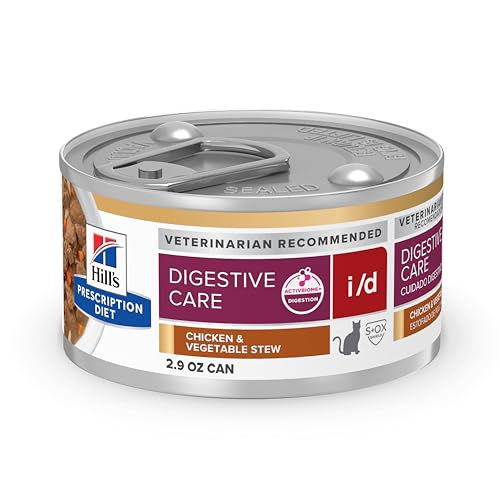
Hill’s Prescription Diet i/d Digestive Care Wet Cat Food Chicken & Vegetable Stew
More Details On Our Top Picks
Blue Buffalo keeps this one simple, which is usually what senior stomachs appreciate. The chicken-first paté format gives you a softer bowl than chunky stew, and that smoother texture can be easier on cats that balk at rougher meals.
The 3-ounce cans suit smaller portions, so you can serve fresh food without piling a bowl too high. Compared with the wetter, broth-heavy Tiki Cat Silver option later in this list, this feels a little more straightforward and less fussy.
What We Like
- Chicken comes first, so protein is front and center.
- Paté texture is smooth, which helps cats that dislike chunks.
- Moist food supports hydration at mealtime.
- Small cans make portioning easier for smaller appetites.
Points To Note
- Paté can feel too uniform for cats that want texture.
- Four-cans packs are handy for sampling, but heavy feeders may go through them quickly.
- Once opened, the smaller cans still need normal refrigerated storage.
Feature Snapshot
Who It Suits Best
You want a soft wet food for a senior cat that does better with small, familiar servings.
Where A Sibling Pick Shines
Tiki Cat Silver Wet Cat Food for Seniors suits cats that prefer broth and visible shreds over a smooth paté.
The variety-pack setup helps you avoid getting stuck with a flavor your cat refuses after two meals. Chicken and beef, plus salmon and tuna, gives you two paths to work with, and that matters in homes where a senior cat gets picky after repeated vomiting episodes.
The stew style is softer than a dense kibble, yet it still feels more structured than a paté. That middle ground makes it a sensible choice for cats who want moisture but still notice texture, especially in a quiet kitchen at breakfast and dinner.
Highlights
- Two flavor options help reduce mealtime boredom.
- Easy-to-digest ingredients suit sensitive stomach routines.
- High-quality protein supports lean muscle maintenance.
- Pouches make portioning and serving quick.
Softer Spots
- Variety packs can expose a flavor your cat likes less than the others.
- Pouch format creates more empty packaging to manage than cans.
- Some cats still prefer a smoother food than stew.
Core Details
Who Will Love This
You want a wet-food variety pack for a senior cat that needs gentle texture and a little meal rotation.
Skip It When
Stella & Chewy’s Raw Coated Cat Food fits better for dry-food households that want more crunch and a higher-protein kibble.
This kibble leans more toward a premium dry-food setup, so it suits cats that still want crunch even with a sensitive stomach history. The raw-coated finish is meant to pull in hesitant eaters, and the small kibble size is easier for older mouths than oversized dry pieces.
Compared with Hill’s Science Diet Sensitive Stomach & Skin Wet Cat Food, this is the drier, more protein-forward route. The honest read is that it makes sense most for cats that keep food down better with measured dry meals, not for cats that need wet food at every feeding.
Strong Points
- Chicken is the first ingredient.
- High animal-protein content gives the recipe a meat-forward profile.
- Small kibble is easier to chew for many senior cats.
- Probiotics and fiber support a gentler feeding routine.
- Raw coating can help with palatability for selective eaters.
Small Caveats
- Dry food is not the same as a moisture-rich wet meal.
- Raw-coated kibble may suit picky cats, though texture preferences still vary.
- The 2.5-pound bag is compact, so frequent feeders may move through it faster.
Spec Overview
Whose Shelf It Belongs On
You want a dry kibble for an older cat that still prefers crunch and benefits from smaller pieces.
Another Choice May Suit
INABA Churu Senior Lickable Cat Treats fit better for cats that only manage tiny portions or need a topper-style option.
Tiki Cat leans into age-specific wet food, and that’s useful for cats in their later years that need smaller, softer meals. The shredded chicken, salmon, tuna, and mackerel in broth gives you visible texture, which many cats prefer to a blended paté.
It stands apart from Blue Buffalo Tastefuls by feeling more broth-heavy and a little more refined in texture. The catch is that broth-based food can be messier around the bowl, so you may want a shallow dish in a busy kitchen.
Bright Spots
- Made for cats age 11 and older.
- Broth plus shreds can feel appealing to cats that like to lick and chew.
- Protein-forward recipes help support lean body mass.
- Pumpkin adds a gentle fiber source for routine feeding.
- Low-phosphorus formulation may suit senior-focused feeding plans.
Areas To Watch
- Broth texture can splash more than a thicker paté.
- Shredded pieces are a poor match for cats that want a very smooth bowl.
- Special senior positioning can make it a more considered purchase.
Details At A Glance
Built With In Mind
You want a senior wet food with broth, visible shreds, and a recipe profile that feels tailored to older cats.
Reach For A Different Pick When
Blue Buffalo Tastefuls Chicken Senior Paté Wet Cat Food suits a cat that prefers a smoother, less messy bowl.
These tubes solve a different problem from the wet meals above, because they work as a small topper, a hand-fed treat, or a coaxing aid for a cat that’s barely interested in dinner. The 0.5-ounce tube size makes it easy to control portions, and that matters when a senior cat needs encouragement without getting too much at once.
Compared with Tiki Cat Silver or Blue Buffalo Tastefuls, this isn’t a full bowl replacement. The upside is flexibility, especially for mornings when a cat turns away from the dish but still licks something soft from a spoon or plate.
Positives
- High moisture content supports a softer feeding experience.
- Small tubes make serving tidy and precise.
- Works well as a topper for dry or wet meals.
- Low-calorie portions help you keep treats measured.
- Tuna variety adds a strong flavor cue for hesitant eaters.
Worth Noting
- These are treat tubes, not a full meal.
- They can disappear quickly in multi-cat homes.
- The texture is meant for licking, so it won’t suit every feeder style.
Technical Sheet
Made For
You want a lickable topper or treat for a senior cat that needs extra mealtime encouragement.
Look Elsewhere When
Hill’s Science Diet Sensitive Stomach & Skin Wet Cat Food Variety Pack is the better fit for a cat that needs a full wet meal rather than a topper.
This formula gives you a dry-food route that still leans toward gentler digestion, thanks to rice and oatmeal in the mix. Real salmon leads the ingredient list, so the recipe stays protein-forward while using grains that many cats handle better than a richer, heavier kibble.
It sits between Stella & Chewy’s raw-coated kibble and Wellness Complete Health Senior Dry Cat Food. The honest read is that this one feels more measured and mainstream, which suits households that want a sensible dry bowl without chasing a specialty texture.
Upsides
- Salmon is the first ingredient.
- Rice and oatmeal give the formula a gentler grain base.
- Prebiotic fiber supports digestive balance.
- DHA and omega-3s support brain and vision nutrition.
- Omega-6 and vitamin A help keep skin and coat nourished.
Room For Improvement
- Dry kibble still supplies less moisture than wet food.
- 3.5 pounds is practical, though some multi-cat homes will move through it fast.
- Salmon flavor can be a strong preference point, not a universal hit.
Core Details
Best Suited To
You want a dry senior formula for a cat that needs a salmon-based bowl with a calmer grain blend.
Swap It Out When
Hill’s Prescription Diet i/d Digestive Care Wet Cat Food is the stronger choice for cats that need a wetter digestive-care meal.
This one speaks to households that still want a dry bowl without leaning into a heavy, meal-by-meal wet-food routine. The grain-free kibble can suit cats that do better with a simpler dry recipe, and the chicken flavor keeps it familiar for older cats that get suspicious of sudden changes.
Compared with Purina Pro Plan Sensitive Skin and Stomach, this feels more stripped back and less condition-specific. That makes it a solid pantry staple, although a cat with repeated vomiting may still do better on one of the wetter options above.
Reasons To Buy
- Chicken recipe keeps the flavor straightforward.
- Grain-free kibble may suit cats that do better without grains.
- Dry format is easy to store and measure.
- Works well for homes that already feed kibble.
Minor Gripes
- Dry food gives you less moisture support than wet meals.
- Senior cats with very small mouths may prefer softer textures.
- Large bag sizes can take up pantry space.
Feature Rundown
The Right Fit
You want a senior dry food that keeps the ingredient list straightforward and the pantry routine simple.
Where Another Pick Suits Better
Blue Buffalo Tastefuls Chicken Senior Paté Wet Cat Food fits better for a cat that needs more moisture and a softer bowl.
Pumpkin changes the tone here, because it adds a familiar vegetable note to a shredded wet meal. That matters for cats that like texture but turn away from plain pâté, and the tuna base keeps the recipe smelling and tasting distinct enough to hold attention at feeding time.
This feels more playful than Hill’s Science Diet Sensitive Stomach & Skin, yet still practical for a senior cat with a fragile routine. One thing worth considering, though, is that shredded food can be a messier pick around the bowl than a smoother formula.
Best Bits
- Shredded texture gives the meal more bite.
- Pumpkin adds a different flavor and texture angle.
- Grain-free recipe suits simple feeding plans.
- Tuna flavor can appeal to selective older cats.
- Wet format helps keep meals softer.
Trade Offs
- Shreds can be harder to portion neatly.
- Texture-heavy food is not ideal for every cat.
- Pack size works better for rotation than for huge households.
Feature Card
Right Fit For
You want a wet senior meal with a shredded texture and a tuna-forward profile.
A Better Fit Elsewhere
Wellness Complete Health Senior Dry Cat Food suits a dry-food household that wants a simpler pantry routine.
This is the most targeted wet option in the list, and it shows in the way the recipe is positioned around digestive support. The chicken-and-vegetable stew format gives you moisture plus a softer structure, which is useful for cats whose stomachs need a calmer bowl and a more digestible texture.
Compared with the more general senior foods here, this feels like the serious choice for cats with recurring digestive trouble. The trade-off is that it belongs in a narrower lane, so it makes the most sense when a cat’s feeding plan needs more than a standard senior recipe.
What We Like
- Wet stew format adds moisture to the bowl.
- Highly digestible recipe is built around easier nutrient uptake.
- Chicken and vegetable profile keeps the meal approachable.
- 2.9-ounce cans support measured portions.
- Useful for households that need a more focused digestive-care option.
Honest Caveats
- It sits in a narrower feeding category than general senior food.
- Smaller cans can mean more frequent opening and storage.
- Stew texture may not suit cats that prefer paté or shredded bites.
Quick Facts
Who Should Grab It
You want a wet food with a tighter digestive-care focus for a senior cat that needs a more carefully chosen bowl.
Not Your Match When
INABA Churu Senior Lickable Cat Treats fit better for a cat that only needs a topper or a tiny feeding boost.
How To Choose The Right Cat Foods For Senior Cats That Vomit
Texture Usually Matters More Than You Expect
Older cats that vomit often do better with food that goes down easily and stays appealing after the first few bites. Wet paté, shredded broth meals, and small kibble all solve that problem in different ways, so the right choice starts with your cat’s preferred mouthfeel.
Paté works for cats that dislike chunks. Shreds and stew help cats that want visible pieces, while small dry kibble suits cats that still enjoy crunch without wrestling oversized bits.
Moisture Is A Practical Advantage
Moist food gives you more room to support hydration at mealtime, which is helpful for seniors that eat slowly or lose interest in plain dry food. Wet recipes also tend to feel lighter in the bowl, and that matters for cats that seem bothered by rich or heavy meals.
That said, a wet label alone does not solve every issue. Some cats need a more specific digestibility profile, while others simply do better with a measured dry formula and smaller portions spread across the day.
Protein Source Should Match The Cat, Not The Trend
Chicken, salmon, tuna, and mixed protein recipes all show up here for a reason, because senior cats can be oddly specific about what stays down and what doesn’t. A familiar protein often makes the first few meals easier, especially after a bout of vomiting has made a cat wary of the bowl.
Try to keep the protein choice steady for a few feedings before making another change. Constant switching can confuse the picture and make it harder to tell whether the food itself is the issue.
Portion Size And Feeding Routine Need To Fit Real Life
Small cans and pouches help with freshness, while tubes and toppers can coax a reluctant eater back to the dish. Larger bags and cases make sense for busy homes, but they work best when your cat already handles the food well and you know the formula suits the routine.
For many senior cats, the smartest setup is not the richest recipe, but the one you can serve consistently. Consistency usually beats novelty here, and a calm routine often matters as much as the ingredient list.
Things Worth Knowing First
Common Shopping Slip Ups
One easy mistake is choosing a food just because it sounds senior-specific. A senior label helps, but the texture, moisture level, and ingredient style still need to fit the cat in front of you.
Another misstep is buying large packs before you know the recipe works. Smaller packaging helps you avoid pantry clutter and keeps you from being stuck with a food your cat turns away from after two meals.
What The Higher Tier Buys
Higher-tier foods often cost more because they use more targeted recipes, smaller packaging, or more specialized ingredient blends. That can mean a better fit for cats with narrower eating habits, especially those that need wet food, senior-focused formulas, or a more digestible texture.
The upgrade is worth it when your cat repeatedly rejects ordinary food or seems to do better on a more precise format. In that case, paying for the right bowl usually feels smarter than buying a bigger bag of the wrong one.
Frequently Asked Questions
Should a senior cat that vomits eat wet or dry food?
Wet food is often easier for cats that need more moisture and softer texture. Dry food still makes sense for some seniors, especially when the kibble is small and the recipe is easy on digestion.
Does a paté work better than shredded food?
Paté helps cats that struggle with chunks or loose pieces. Shredded food suits cats that want a more visible texture and a little more mouthfeel.
Are toppers useful for older cats with poor appetites?
Toppers can help bring a cat back to the bowl without forcing a full meal change. They work best as an add-on, not as the only food in the bowl.
How much should portion size matter?
Portion size matters a lot for older cats, because small servings stay fresher and are easier to manage. Smaller cans and pouches also help you spot early food aversions before waste adds up.
What should you change first when vomiting keeps happening?
Start with texture and moisture before you chase too many ingredient theories. A gentler recipe with a steady feeding routine is often the cleanest first adjustment.
Closing Thoughts
You do not need the fanciest label to help a senior cat with a sensitive stomach. You need a food that fits the cat’s texture preference, meal size, and tolerance for moisture, then a routine you can keep steady. For many homes, the best choice is the one that gets eaten calmly and consistently. That usually tells you more than any shiny claim on the front of the bag.