
Cat DNA and sensitivity kits can clear up a lot when your cat’s habits, coat, or meals leave you guessing. Some focus on breed mix, traits, and blood type, while others look at food, environmental triggers, urine markers, or even age estimates. That split matters, because the right kit depends on whether you want ancestry-style detail or a more practical snapshot for daily care.
This roundup keeps those use cases separate so you can match the kit to the problem in front of you. A busy home with a picky eater needs something different from a household that wants breed insights, and the differences show up fast in the feature lists.
Quick Look At The Shortlist

Wisdom Panel Complete Cat DNA Test Kit

Wisdom Panel Complete Cat DNA Test Kit
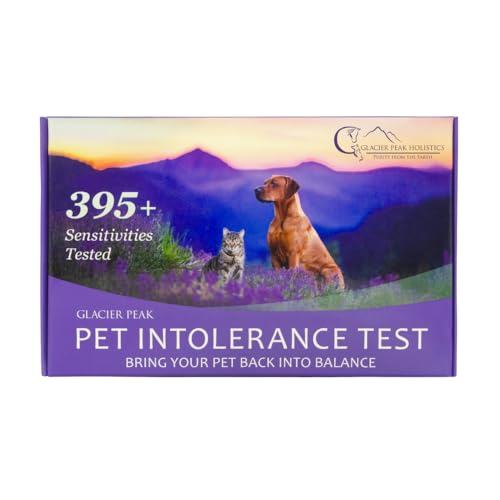
Original Pet Intolerance Test 395+ Stressors

5Strands Raw & Fresh Pet Food Intolerance Test

CheckUp Pro At Home Cat Wellness Test

UCARI Pet Sensitivity Test 350+ Intolerances

5Strands Pet Environmental Sensitivity Test 310 Items
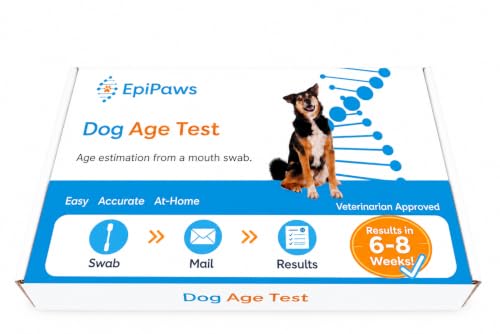
EpiPaws Dog Age Test At-Home DNA Methylation Kit
More Details On Our Top Picks
Wisdom Panel’s complete cat kit leans into the broadest kind of profile work, with breed groups, traits, blood type, and health-condition screening folded into one report. That makes it a strong fit for a home where you want one sample to answer several questions, not just ancestry curiosity.
Compared with the sensitivity-focused kits later in this roundup, this one is about genetics rather than food or environment. The trade-off is simple, you get a wider identity picture, but you won’t get the trigger-by-trigger sort of daily irritation clues that a cat with recurring symptoms may need.
Strong Points
- Combines breed, trait, blood type, and health screening in one kit.
- Fits households that want a fuller genetic snapshot without juggling multiple products.
- Helps you make sense of coat, behavior, or lineage questions with one report.
- Good match for adopters who want background detail after bringing a cat home.
Points To Note
- Genetic detail does not replace food or environment sensitivity screening.
- The broad scope can feel like more than you need for a single narrow question.
- Like most mail-in kits, sample collection still needs a calm cat and careful handling.
Feature Rundown
Who It Suits Best
Households with adopted cats, mixed backgrounds, or general curiosity about ancestry and inherited traits get the most from this kit.
Where A Sibling Pick Shines
Glacier Peak Holistics The Original Pet Intolerance Test fits better for a cat with recurring meal- or environment-linked irritation.
The two-pack format is the practical twist here, especially for households with more than one cat or for a second sample kept in reserve. Relative to Item 1, the feature set is the same, so the real difference comes down to how many cats you plan to cover and how you want to handle spares.
That makes it easier to justify in a multi-cat home or for a rescue household where you may want parallel profiles. The only real catch is that a second unit matters only when you’ll actually use it, otherwise the extra pack just sits there.
What We Like
- Two kits in one listing suit multi-cat homes well.
- Same broad genetic scope as the single kit.
- Handy for comparing related cats without reordering later.
- Useful as a backup where sample collection can be tricky.
Small Caveats
- The value only shows up when both kits get used.
- It still does not cover food or environmental sensitivities.
Core Details
Who Will Love This
Multi-cat households and adopters who want the same report structure for more than one cat get the strongest fit here.
Another Choice May Suit
UCARI Pet Sensitivity Test suits a cat whose daily issues point more toward food or ingredient tolerances than ancestry detail.
Glacier Peak Holistics shifts the focus away from ancestry and into the day-to-day stuff that can make a cat uncomfortable. With hair and saliva collection and a panel that reaches beyond 395 food and environmental stressors, it suits a home where the problem feels messy and hard to pin down.
Compared with the Wisdom Panel kits, this one is far more about possible sensitivities than breed or blood type. The quick turnaround listed in business days is appealing, though the bigger trade-off is that this is a screening-style tool, not a tidy answer to every symptom you see.
Highlights
- Covers a very wide set of food and environmental stressors.
- Uses hair and saliva, which keeps collection familiar for many homes.
- Fast stated turnaround suits anyone wanting a quicker read.
- Helpful for sorting out vague daily discomfort patterns.
Areas To Watch
- The result is only one part of the bigger care picture.
- It does not replace a vet visit for serious or ongoing symptoms.
- Mail-in sampling still asks for careful packaging and patience.
At A Glance
Best Suited To
Homes dealing with itchy behavior, strange food reactions, or a long list of possible triggers get the most value from this kit.
Look Elsewhere When
5Strands Pet Environmental Sensitivity Test makes more sense when the concern leans hard toward grass, pollen, or outdoor exposure rather than mixed triggers.
This 5Strands kit narrows the lens to raw and gently cooked food items, which is useful for cats on a carefully managed diet. Compared with Item 3’s broader stressor screen, this one feels more targeted, especially in homes that already suspect the bowl rather than the sofa or the yard.
The fresh-food angle is the real draw, and it gives you a more specific way to think through ingredients. The flip side is that it suits a narrower use case, so it’s strongest when you already know the food question is the one you need answered.
Best Bits
- Built around raw and gently cooked food exposure.
- Covers a large set of food items for comparison.
- Works for cats of many ages and backgrounds.
- Fits households managing a more deliberate feeding plan.
Trade Offs
- It is much more food-focused than environment-focused.
- Less useful for homes chasing non-food trigger patterns.
- Sample handling still needs a tidy setup at home.
Details At A Glance
Built With In Mind
Cats on raw or gently cooked diets, plus households that want a food-first screen, fit this product best.
Swap It Out When
UCARI Pet Sensitivity Test suits you better when you want a faster hair-sample approach with a broader intolerance count.
Kit4Cat takes a different lane entirely, because this one centers on urine collection with hydrophobic litter and indicator strips. For a cat that already tolerates the litter box but resists other sample methods, that setup feels more practical than swabbing or clipping hair.
It also broadens the lens beyond DNA-style screening and into routine wellness markers, so it can suit households that want a periodic check on basic urine chemistry. The trade-off is that you need a cat willing to use the litter setup, and that sort of cooperation is never a sure thing in a busy home.
What We Like
- Hydrophobic litter makes urine collection less awkward.
- Indicator strips cover several common urine markers.
- Feels well suited to repeat wellness checkups at home.
- Useful for households that prefer a litter-box-based method.
Worth Noting
- Requires a cat that will use the litter setup.
- More about wellness markers than DNA ancestry.
- Litter handling and cleanup add a bit of upkeep.
Feature Snapshot
Perfect Match For
Cat homes that want a urine-based home wellness option and prefer litter-box collection over swabs or hair samples.
Reach For A Different Pick When
Wisdom Panel Complete Cat DNA Test Kit fits better when you want breed, trait, and blood type information instead of urine chemistry.
UCARI leans into speed and broad intolerance coverage, so it works well for households that want quick direction from a hair sample. Compared with 5Strands Raw & Fresh, this one casts a wider net across foods and ingredients, which can be helpful when the problem does not point neatly at one diet style.
The hair-sample method keeps the process simple, and the stated 48-hour turnaround is a clear draw for anyone who wants fast answers on paper. The compromise is that a fast report still needs context, especially in homes where more than one ingredient or exposure may be part of the picture.
Positives
- Broad intolerance count gives you plenty of comparison points.
- Hair-sample collection avoids fussier sample types.
- Fast stated turnaround suits urgent sorting of possible triggers.
- Useful for mixed food and ingredient questions.
Room For Improvement
- Fast results still need careful interpretation in daily life.
- The broad scope can feel like too much for narrow issues.
- Hair collection is simple, but packaging still takes care.
Core Details
Right Fit For
Busy homes that want a broad, quick sensitivity screen and prefer hair over swab or urine collection.
Where A Sibling Pick Shines
5Strands Pet Environmental Sensitivity Test suits better when the main concern is grass, pollen, or other outdoor exposure points.
5Strands’ environmental kit is the one that speaks most directly to everyday household exposures, from fabrics and plastics to plants, trees, grass, and cleaning products. In a home where a cat keeps rubbing, licking paws, or getting irritated after time indoors or outdoors, that kind of spread can be more useful than a narrow food-only panel.
Relative to UCARI, this one feels a bit more grounded in environment than ingredients, which helps you separate indoor and outdoor triggers. The four severity levels also make the report easier to act on, although the real-world value still depends on how carefully you change the cat’s surroundings.
Upsides
- Covers a broad set of environmental exposures.
- Severity levels help organize the report into clear action buckets.
- Works for cats of many ages and coats.
- Useful for homes with mixed indoor and outdoor triggers.
Softer Spots
- Environmental focus leaves food questions to a different kit.
- Results still need follow-through in the home.
- Hair collection and mailing ask for careful handling.
Quick Facts
Whose Shelf It Belongs On
Homes that suspect environmental triggers, especially around grass, pollen, fabrics, or cleaners, get the clearest use from this kit.
Skip It When
The Wisdom Panel Complete Cat DNA Test Kit is the better route when ancestry, traits, and blood type matter more than exposure mapping.
EpiPaws goes in a different direction from every other item here, because it uses DNA methylation, a biological age marker that helps estimate age rather than ancestry or sensitivity. For rescue cats, shelter cats, or any pet with an uncertain backstory, that sort of estimate can be more useful than a breed breakdown.
The mouth-swab process keeps collection simple, and the report includes an estimated birthday, life stage, and other useful notes. The honest read is that the four- to six-week wait is longer than the quick sensitivity kits, so this one suits patience more than urgency.
Reasons To Buy
- Estimates age from a mouth swab instead of guesswork.
- Useful for rescue and shelter cats with unknown histories.
- Includes birthday and life-stage details in the report.
- Reports can be saved, viewed online, printed, or downloaded.
Honest Caveats
- Results take longer than the faster sensitivity kits.
- It is a specialized tool, not a broad DNA profile.
- The product notes reduced accuracy for puppies.
Technical Sheet
Built With In Mind
Rescue and shelter cats with uncertain ages are the clearest fit for this kit.
Another Choice May Suit
Wisdom Panel Complete Cat DNA Test Kit fits better for households that want ancestry, traits, and blood type in one place.
How To Choose The Right Dna Tests For Cats
Match The Kit To The Question You Need Answered
Start by separating genetics from sensitivities. Breed and trait kits, like the Wisdom Panel options, help with ancestry, inherited markers, and blood type, while intolerance kits focus on food or environmental exposures that may shape daily comfort.
That split saves a lot of second-guessing. A cat with an unknown background needs something very different from a cat that keeps rubbing, licking, or reacting after meals.
Read The Sample Method Before You Commit
Hair, saliva, mouth swabs, and urine each suit a different home routine. Hair-sample kits are easy for many households, while urine-based options need a litter setup the cat will actually use.
Mouth swabs and saliva kits are familiar and usually quick to collect. The best fit is the one you can collect calmly without turning sample day into a wrestling match.
Watch The Report Style And Turnaround
Some kits give a broad screening report, while others organize results into severity levels or specific health markers. That structure matters because a long list is less useful than a report you can act on in a real kitchen, living room, or litter area.
Faster turnaround helps when you want quicker direction, but faster does not mean broader. A clear, slower report can be more useful than a rushed one that does not match your actual question.
Think About House Layout And Daily Use
In multi-cat homes, a two-pack can save time and reduce repeat ordering. In a single-cat home, the extra kit only helps when you truly need a second sample or a backup plan.
Storage, cleanup, and mailing matter too. A compact swab kit suits small apartments, while a urine or litter-based setup makes more sense in a home where the litter box area is easy to manage.
Things Worth Knowing First
Wrong Turns To Avoid
One common mistake is choosing a broad genetic kit when the real problem is food or environmental irritation. Another is buying a sensitivity kit for a cat whose main need is ancestry or age estimation.
It also helps to check the sample type before the box arrives. A cat that hates swabs or refuses litter changes can make an otherwise good kit awkward to use.
The Upgrade Payoff
Higher-tier kits tend to cost more because they cover more categories, use clearer report structures, or include multiple sample paths. That extra depth matters most when you want a fuller picture instead of a narrow screen.
The upgrade is worth it for households juggling several questions at once, or for rescue cats with incomplete histories. For a single, simple question, a leaner kit is often enough.
Frequently Asked Questions
Are DNA kits for cats the same as intolerance kits?
No, they answer different questions. DNA kits usually focus on ancestry, traits, or genetics, while intolerance kits look at possible food or environmental triggers.
Which sample type is easiest for most homes?
Hair and mouth swab kits are usually the simplest because they do not require much setup. Urine-based options can work well too, but they depend on your cat using the litter setup.
Do faster results always mean a better kit?
No, speed only tells you how soon the report arrives. A slower kit can still be the better match when the report content fits your actual question.
What works best for a rescue cat with an unknown history?
An age-estimation kit can help when the birth date is a mystery. A broad genetic kit also makes sense when you want more background on breed and inherited traits.
Can one kit solve food and environmental questions at once?
Some broader intolerance kits cover both, but many lean more toward one side. You’ll get the cleanest result by matching the kit to the most likely trigger category first.
Closing Thoughts
For cat DNA and sensitivity kits, the smartest move is to start with the question, not the label. Breed and trait profiling, food intolerance screening, environmental exposure mapping, urine wellness checks, and age estimation all serve different homes in different ways. Choose the one that fits the problem in front of you, and the report will feel a lot more useful. That’s the kind of clarity that keeps a small sample from turning into a big headache.