
Not in the medical sense. Autism is a human diagnosis, so a cat that avoids touch, repeats routines, or reacts strongly to change is more likely showing stress, pain, fear, or a shy temperament than autism.
Here’s the scope: the signs that can look similar, the medical causes worth ruling out, and the home changes that help a sensitive cat feel steadier.
Autism in Cats and the Limits of the Diagnosis
Feline behavior can look unusual without fitting a human label. Cats are not diagnosed with autism in standard veterinary practice, and the American Psychiatric Association places autism spectrum disorder in the DSM-5 as a human developmental disorder. A cat can show social distance or repetition, but that does not make the condition transferable.
Why the label does not carry over
People with autism are evaluated for patterns in social communication, restricted interests, and sensory processing that begin in childhood. Cats are never assessed against that framework, and veterinarians do not use it as a formal diagnosis.
That keeps the language accurate, which matters because the wrong label can hide pain, anxiety, or another medical issue that needs attention.
Why the conversation still comes up
Cat behavior and neurodiversity discussions borrow some of the same words because the surface signs can overlap. A cat that wants less touch or fixates on one route through a room can remind you of stimming or rigidity, but the cause is still likely feline behavior, not autism in cats.
The useful move is to stay with what the cat does, not the human diagnosis. That shift leads straight into the outward signs that can fool even careful owners.
What looks similar from the outside can mean very different things once behavior takes center stage.
Behaviors That Can Look Similar From the Outside
Distance, repetition, and strict routines can all appear in ordinary cat behavior. A cat that sits under the bed, avoids eye contact, or flinches when picked up can look “autistic” at a glance. The same goes for pacing a hallway, rubbing one corner of a couch over and over, or reacting sharply to vacuum noise.
Social withdrawal and touch avoidance
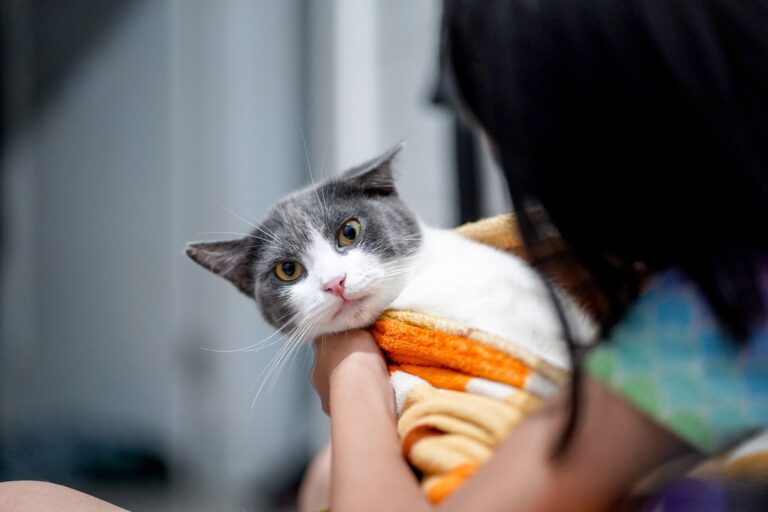
Some cats are simply less social than others. A calm, reserved cat may prefer a perch across the room, and a cat that dislikes being held may still greet you at the door, eat well, and play hard once you sit down.
That pattern matters because a shy temperament is not the same as distress. You get a stronger clue from whether the cat can settle, sleep, and engage on its own terms.
Repetition and sensitivity to change
Repetitive behaviors can include kneading, tail flicking, pacing, or staring at one spot for long stretches. Sensory sensitivity can show up as startle responses to loud sounds, bright light, or a new litter box location.
A cat that hates a moved food bowl may not have a neurological difference at all. The reaction can come from stress response, habit, or a strong reliance on predictability, which is common in feline behavior.
Temperament varies from cat to cat
Some cats are bold, some are guarded, and some seem like they are made of velvet and caution. Breed traits can shape social interaction, but individual history matters more, especially in rescued cats that spent weeks or months adapting to people.
That range is the reason quick labels fail. The next question is what usually causes the behavior you are seeing.
Because the same sign can have many causes, the real work begins with the most ordinary explanations.
The More Common Reasons a Cat Acts Differently
Stress, pain, and illness explain more odd behavior than any developmental label. A cat that hides, grumbles, or quits using a favorite perch may be reacting to arthritis, dental pain, urinary trouble, or a move in the home. Those causes are far more common than a human-style developmental disorder.
Stress and anxiety
Noise, visitors, new pets, and schedule changes can raise cortisol, the body stress hormone, and that shift changes appetite, sleep, and tolerance for contact. A cat under stress may also overgroom, scratch door frames, or patrol the same room again and again.
Stress often shows up as a chain reaction. A missed meal leads to more hiding, hiding leads to less play, and less play makes the cat seem even less social.
Poor early socialization
Limited kitten exposure to people, handling, and new spaces strongly shapes comfort later. Kittens that meet few calm humans during the early weeks can grow into adults that freeze during nail trims or bolt at the sound of a stroller in the hallway.
That history can mimic autism-like avoidance, but the mechanism is different. The cat learned caution, not a human developmental pattern.
Medical problems that alter behavior
Pain changes movement before it changes mood. Arthritis can make a cat skip the windowsill, kidney disease can change thirst and litter box use, and hyperthyroidism can drive pacing, vocalizing, and restlessness.
A veterinarian should rule out medical causes before anyone treats the issue as behavioral. That sequence keeps you from missing a problem that is hidden behind a personality shift.
A careful reading starts by ruling out illness or pain before behavior becomes the default answer.
Reading Special Needs Cat Behavior Without Guessing
Special needs cat behavior is about support, not a human label. A cat can need extra care because of deafness, blindness, chronic pain, age-related change, or a long history of fear. None of that requires calling the cat mentally challenged in a human sense.
Track the patterns that matter
Appetite, litter box use, grooming, play, and response to routine tell a clearer story than one dramatic moment. A cat that eats less for three days, urinates outside the box, and stops grooming the back end needs more attention than a cat that merely dislikes laps.
That kind of pattern reading gives you better clues than a casual guess. It also helps a veterinarian separate a behavior issue from a body problem.
Use a simple home record
A short daily note works well: meal amount, stool quality, litter box visits, hiding time, and any sudden vocalizing. A date and time beside each change can reveal whether the problem follows visitors, construction noise, a new diet, or a painful joint flare.
- Appetite shifts Track bowl interest, treat refusal, and meal timing.
- Litter box changes Watch for urine outside the box, straining, or less frequent use.
- Grooming changes Look for patchy fur, greasy coat, or overlicked spots.
- Play changes Notice shorter chase sessions, weaker pounces, or no interest in toys.
- Routine tolerance Record reactions to guests, travel carriers, and home noise.
That record does not diagnose anything on its own, but it gives the clinic a sharper starting point. From there, a checkup becomes the right next step.
That kind of observation sharpens the conversation, and a veterinary exam can then turn those clues into answers.
A cat that seems “off” for more than a few days deserves a medical look before a behavior label ever enters the picture. Pain and illness can hide behind quiet withdrawal.
When a Veterinary Checkup Becomes the Right Next Step
Sudden behavior change is a medical clue until proven otherwise. Hiding, aggression, vocalizing at night, or a fast drop in grooming can point to pain, thyroid disease, high blood pressure, urinary disease, or cognitive change in an older cat. Those signs are not just personality.
Signs that need a clinic visit
Loss of appetite for 24 hours, repeated litter box trips, yowling, limping, or a cat that stops jumping onto furniture deserve prompt attention. A cat that hisses during petting after years of tolerance may be guarding a painful body part.
That matters because cats mask illness well. A cat can eat less, move less, and still seem composed until the problem gets more advanced.
What the veterinarian can sort out
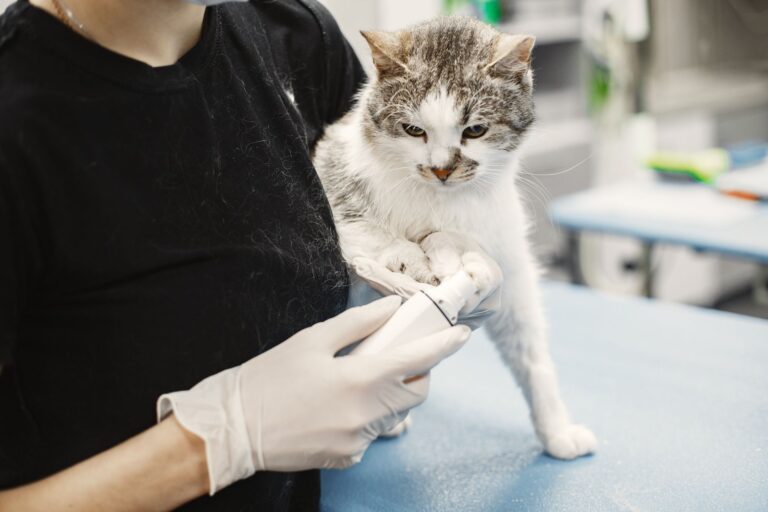
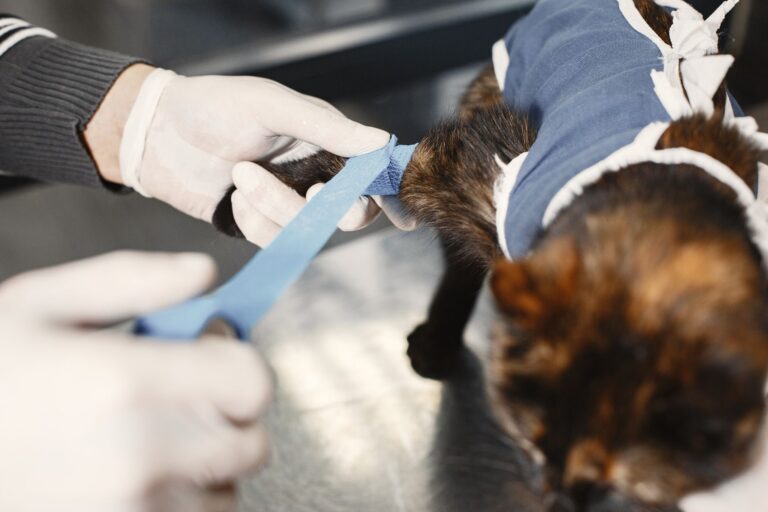
A veterinarian can check weight, mouth pain, joints, heart rate, hydration, and urine or blood markers before anyone assumes the issue is behavioral. The clinic may suggest labs, x-rays, or blood pressure checks based on age and signs.
A veterinary behaviorist can join the process when fear, compulsive habits, or intense sensitivity keep causing trouble. That specialist studies feline behavior with a medical lens, which helps you build a plan that fits the cat in front of you.
When medical causes stay in play, a behavior specialist can help translate stress into practical changes at home.
Helping a Sensitive Cat Feel More Secure at Home
Small changes at home often matter more than forcing social contact. Predictable feeding times, a quiet resting spot, and slow introductions to new people reduce stress fast. A cat that knows where to hide, where to eat, and where to avoid noise has less reason to stay on edge.
Use routine and space as support
Keep meals, litter box access, and play sessions in stable places. A covered bed, a tall perch, and a room with low foot traffic give the cat a sense of control, which is a strong comfort signal for many animals.
Environmental enrichment also helps. Puzzle feeders, wand toys, and vertical shelving give a cat safe choices without demanding constant touch.
Introduce change in small steps
New pets, guests, carriers, or grooming tools go better in short sessions. Start with scent, then sight, then brief contact, and stop before the cat tips into panic.
Adult cats can still learn trust with patient handling. The pace is slower than with kittens, but steady repetition lowers fear and can soften defensive behavior over time.
Focus on what the cat accepts
A cat that dislikes being held may still enjoy chin rubs, toy play, or resting near you on the sofa. Working with those preferences keeps the bond intact while respecting limits.
That approach answers the spirit of can cats have autism without forcing the wrong label. You end up helping the cat you actually live with, not the one a diagnosis would imply.
Those adjustments matter most when the goal is understanding, not forcing a label onto an individual cat.
What to Remember
Can cats have autism is the wrong medical frame for a real animal problem. The safer path is to read the behavior, rule out pain or illness, and then shape the home around the cat’s actual needs. That is how you help a sensitive cat feel steadier, and it is how you avoid missing a condition that can be handled as a health issue instead of a personality quirk.
FAQ
Can cats have autism?
No. Autism is a human neurodevelopmental diagnosis in the DSM-5, and standard veterinary practice does not diagnose cats with it. A cat can still show behaviors that look similar from the outside, which is why observation and medical screening matter more than labels.
Do cats have mental disabilities?
Brain disease, deafness, blindness, and developmental problems can affect feline behavior, but that is not the same as a human mental disability label. A veterinarian can sort out medical, sensory, and behavioral causes.
Can my cat be special needs?
Yes. A cat can need extra support for blindness, arthritis, kidney disease, anxiety, or another condition that changes daily care. The phrase special needs cat behavior is useful for planning, as long as it stays grounded in the cat’s actual needs.
How do I tell if my cat is mentally challenged?
That phrase is not a medical standard for cats, and it can blur the real issue. Look for new confusion, poor litter box habits, sudden vocalizing, weak grooming, or trouble learning routine changes, then bring those signs to a veterinarian.
What behavior problems in cats need a vet?
Sudden hiding, aggression, vocalizing, litter box changes, loss of appetite, limping, or a drop in grooming need a veterinary check. Those signs can point to pain or disease before they point to behavior.
Can cats show repetitive or sensory behaviors?
Yes. Pacing, kneading, tail flicking, overgrooming, and strong reactions to noise or change can happen in cats. Those signs can reflect stress, anxiety, pain, or poor socialization, so the cause matters more than the label.